How to Add New Outlets and Switches Without Overloading Circuits
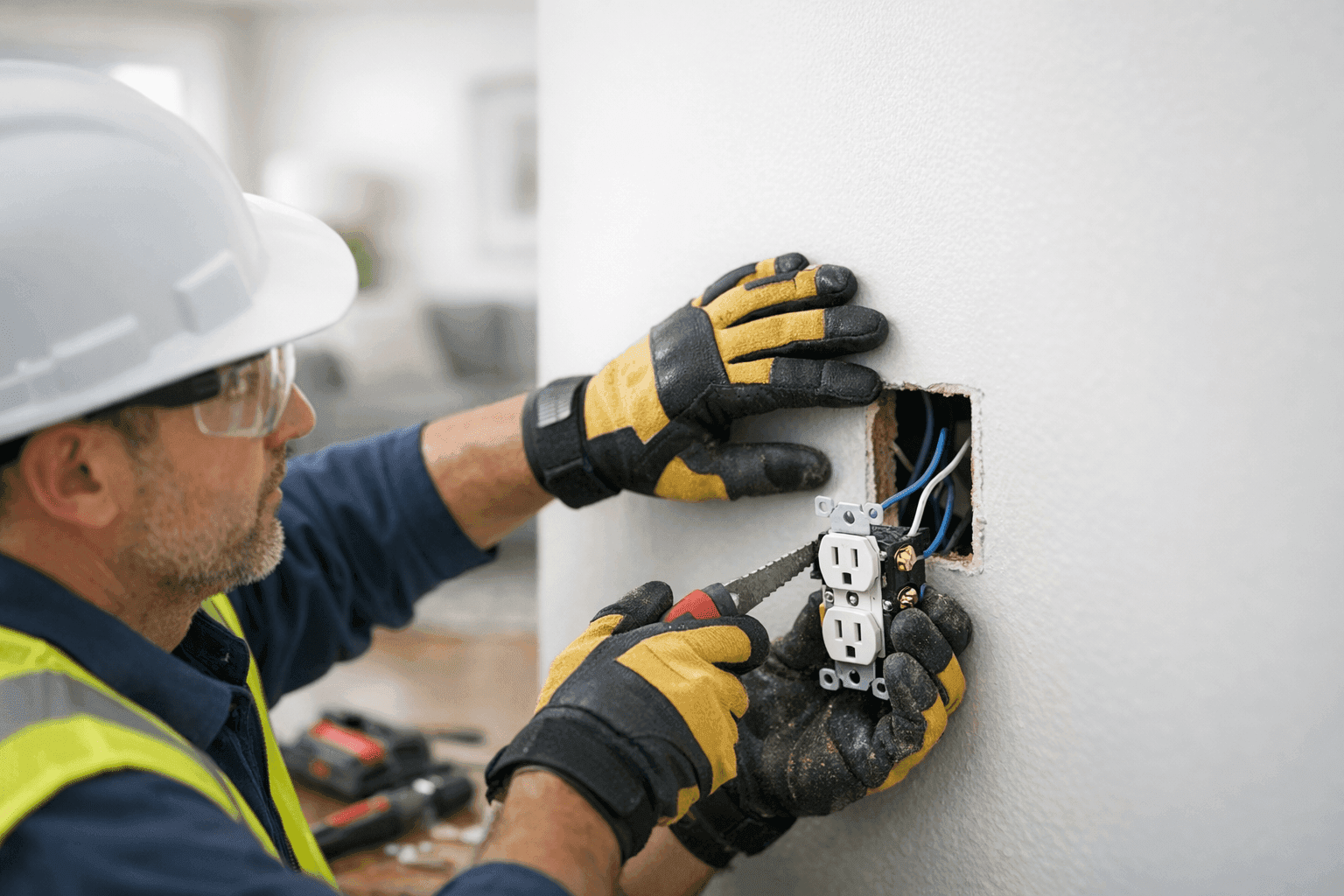
Does your living room need more places to plug in your devices? Maybe your kitchen counter is a spaghetti mess of extension cords. You’re not alone. Many homeowners want more outlets and switches, but worry about overloading circuits—and for good reason.
At Angelic Electric, we see it all the time: homes full of creative (but risky) workarounds. Overloaded circuits aren’t just an inconvenience, they’re a safety hazard. Here’s what you need to know before adding new outlets or switches—and how to do it the right way.
Why Overloading Circuits Is a Serious Problem
Think of your electrical system like a set of highways. Each circuit is a lane, designed for a certain amount of traffic. Add too many cars (appliances, lamps, chargers), and things slow down—or worse, crash. Overloaded circuits can cause:
- Tripped breakers that leave you in the dark
- Hot outlets or switches (never a good sign)
- Melting wires, which may lead to fires
- Damage to sensitive electronics
According to the National Fire Protection Association (NFPA), electrical failures or malfunctions are a leading cause of home fires. It’s not worth the risk.
Quick Safety Checklist Before You Start ⚡️
- Check for existing problems: Flickering lights or warm outlets? Address these first.
- Know your panel: Find your breaker panel and label your circuits if you haven’t already.
- Turn off power: Always shut off power at the breaker box before touching wires.
- Understand your limits: If you’re unsure, call a licensed electrician.
Step 1: Assess Your Existing Circuit Loads
Before you even think about installing a new outlet or switch, you need to know what your circuits are already carrying. Overloading can sneak up on you—just a few extra devices can tip the balance.
- Locate the breaker panel: Each breaker usually handles a specific area or group of plugs.
- Map your circuits: Plug in lamps or radios one at a time to help figure out which outlets belong to each breaker.
- Add up the load: Most household circuits are rated for 15 or 20 amps. Add up the wattages of everything plugged in—don’t exceed 80% of the circuit’s maximum (the NEC recommends this margin for safety).
Pro tip: A hair dryer, microwave, and toaster on the same circuit? That’s asking for trouble.
Step 2: Plan Your Outlet and Switch Locations
Think about where you truly need more access. Don’t just add outlets at random.
- Kitchen and bathroom: These are high-use areas. Consider GFCI outlets for safety (more on that soon).
- Living room and bedrooms: Plan for TVs, lamps, phone chargers, and more.
- Outdoors: Weatherproof outlets and covers are a must.
Keep in mind, the National Electrical Code (NEC) requires outlets no more than 12 feet apart in most rooms, and at least one on every wall longer than 2 feet.
Step 3: Check Code Requirements and Permit Needs
Don’t skip this step. Electrical codes exist for a reason: safety.
- National Electrical Code (NEC): This sets the baseline, but local rules may be stricter.
- Permits: Most municipalities require a permit for installing new outlets or switches. Skipping this can lead to fines—or unsafe work.
- Inspection: After the work, an inspector will check that everything’s up to code.
Want to know more? The NFPA and your local building department are authoritative sources.
Step 4: Install GFCIs and AFCIs Where Needed
GFCI (ground fault circuit interrupter) outlets are life-savers. They shut off power if they detect a leak—think shock prevention in wet areas.
- Where to install GFCIs: Kitchens, bathrooms, laundry rooms, basements, garages, and outdoor spaces.
- AFCIs (arc fault circuit interrupters): These protect against electrical fires from arcing. Required in many living areas for new work.
It’s not just about following the rules. It’s about keeping your family safe.
Step 5: Professional Load Calculations—Why They Matter
Adding outlets isn’t just about connecting wires. Each new plug or switch adds a bit more “traffic” to your system. Professional electricians use calculation methods laid out in the NEC to make sure you’re not overloading your home’s wiring.
- Ampacity: This measures how much current a wire can handle safely.
- Continuous loads: Devices running for hours (like refrigerators or aquariums) should be counted at higher levels.
- Shared circuits: Don’t forget lighting, smoke detectors, or other hard-wired items.
If you’re not sure, get professional help. It’s what keeps the system balanced and safe.
Step 6: Materials and Equipment You’ll Need
Thinking of tackling a minor project yourself? Here’s the toolkit:
- Voltage tester
- Screwdrivers (flathead & Phillips)
- Wire strippers
- Needle-nose pliers
- Electrical tape
- Approved outlet or switch boxes
- GFCI or standard outlets, as needed
- Faceplates
For bigger jobs, you’ll also need fish tape, new wiring (of the right gauge), and mounting hardware. Always use UL-listed products.
Step 7: The Installation Process—What It Really Takes
If you’re handy, you might be able to replace a switch or outlet. But adding new ones—especially where none existed—calls for more skill.
- Cutting drywall: Mark your spot and cut carefully to avoid studs or pipes.
- Running wire: Use the right gauge, and staple it neatly inside the wall cavity.
- Connecting safely: Always match wire colors (black to black, white to white, green or bare to ground).
- Box fill counts: Too many wires in a small box can lead to overheating. Follow NEC guidelines for box fill.
If any of this sounds overwhelming, it’s time to call an electrician.
DIY or Call a Pro? Knowing Your Limits
Replacing a worn outlet is one thing. But installing new outlets or switches—especially if you need to extend circuits, add GFCIs, or deal with aluminum wiring—is a bigger task.
- Good for DIY: Swapping outlets or switches in the same spot (if you’re comfortable).
- Call an electrician: New wiring, GFCIs, AFCIs, anything behind drywall, or if you’re unsure about your panel.
Remember, even a small mistake can lead to fire risks or shock hazards.
What to Expect When a Pro Arrives
At Angelic Electric, we always start with a thorough assessment. Here’s what happens:
- Listen to your needs and check your home’s wiring.
- Calculate load and check the panel’s capacity.
- Plan the safest route for new wiring.
- Pull permits and schedule inspections if required.
- Install, test, and clean up.
- Walk you through new features and answer your questions.
We treat every home as if it were our own.
Common Mistakes and How to Avoid Them
- Piggybacking off overloaded outlets: This is a shortcut with risks.
- Ignoring box fill limits: Overcrowding leads to heat build-up.
- Skipping GFCIs: Especially in kitchens and baths.
- Improper wire sizes: Too-small wires can overheat and melt.
- No permit or inspection: You’re gambling with safety and insurance.
Signs You’ve Overloaded a Circuit
Pay attention to these warning signs:
- Breakers that trip frequently
- Outlets or switches that feel warm
- Flickering or dimming lights
- Buzzing sounds from switches or outlets
- Burning smells (call an electrician immediately)
Don’t ignore these. They’re your home’s way of crying out for help.
Timeline and Disruption: What to Expect
Adding outlets or switches can be a quick job—or a bigger project, depending on:
- Accessibility: Finished basements and plaster walls take longer.
- Permit and inspection times: May add a day or two.
- Scope: One outlet is fast; rewiring a room takes more time.
You’ll usually have power back the same day for small projects.
Costs and Budgeting for Safe Upgrades
Costs vary based on:
- Number of new outlets or switches
- GFCI or AFCI requirements
- Accessibility and wall type
- Permit fees
While DIY might seem cheaper, mistakes can cost more in repairs. Always budget for professional help when in doubt.
Prevention and Maintenance—Stay Ahead of Problems
Once you’ve upgraded, keep things running smoothly:
- Don’t use extension cords as permanent solutions.
- Schedule regular electrical safety inspections.
- Replace worn or cracked outlets and switches.
- Test GFCIs monthly—press the “Test” button, then “Reset.”
Good habits keep your home safe for years to come.
When It’s an Emergency
If you smell burning, see scorch marks, or lose power to vital areas:
- Turn off the breaker immediately.
- Call a licensed electrician—don’t wait.
Some issues can’t wait. That’s why Angelic Electric offers 24-hour service for emergencies.
FAQ: Homeowners’ Common Questions
Can I just swap out a two-prong outlet for a three-prong?
Not unless the wiring supports it and includes a ground wire.
How many outlets can I add to a circuit?
It depends on the amperage and what you’re plugging in. The NEC recommends no more than 8 to 10 on a 15-amp circuit—less in kitchens or baths.
Do I really need a permit?
Yes. Permits ensure your work is inspected and safe.
Seasonal Considerations
- Winter: Space heaters pull lots of power—check circuits before plugging in.
- Spring/Summer: Outdoor and pool equipment may need dedicated outlets and GFCI protection.
Plan upgrades around your seasonal needs.
Planning a Bigger Project? Think Ahead
If you’re remodeling, adding a room, or buying new appliances, coordinate with your electrician early. Larger projects often mean upgrading your panel, rewiring, or installing extra safety features.
We’re here to help with planning, load calculations, and safe installation. For more details on related services, explore our Wiring & Circuits and Installations pages.
And if you’re looking for reliable Outlets & Switches in your area, our electrician services in Cuyahoga Falls provide trusted help for every need.
The Bottom Line: Safety and Peace of Mind
Adding new outlets and switches brings convenience, but it’s never worth risking your safety. Respect your home’s wiring “highways.” Stay within safe limits, follow code, and never be shy about calling a professional.
Call Angelic Electric now — or reach us anytime at 844-440-1817 .