How to Troubleshoot Dead Outlets and Light Switches
Are you flicking a switch or plugging something in—only to be met with silence and darkness? It’s an everyday headache that can put your entire routine on pause. At Angelic Electric, we know how urgent it feels when lights or appliances suddenly won't power up.
But before frustration turns into panic, let's walk through safe, practical steps to pinpoint the problem. You’ll learn what might be an easy fix, when it’s best to pause, and how a licensed electrician can help get your home humming again.
Common Reasons Outlets or Switches Stop Working ⚡
When an outlet or switch goes dead, it can feel like your home’s electrical “highway” hit a traffic jam. Here are the most common causes:
- Tripped breakers: Overloaded circuits make your panel “flip the switch” for safety.
- GFCI outlets tripped: Kitchens, bathrooms, garages—these spots use Ground Fault Circuit Interrupters for shock protection.
- Loose wiring: Over time, wires can wiggle loose behind outlets or switches.
- Worn-out devices: Just like shoes, outlets and switches wear out and stop working.
- Faulty connections: Sometimes, wire nuts or screw terminals inside the box don’t make solid contact.
- Damaged circuits: Rodents, nail punctures, or age can spell trouble for hidden wiring.
Each of these issues can put a stop to power flow, and some can be more dangerous than others.
DIY Safety Precautions Before You Start 🛑
Electricity isn’t forgiving. Before you touch anything, follow these steps:
- Turn off the power: Use your breaker panel to cut power to the area you’re working on.
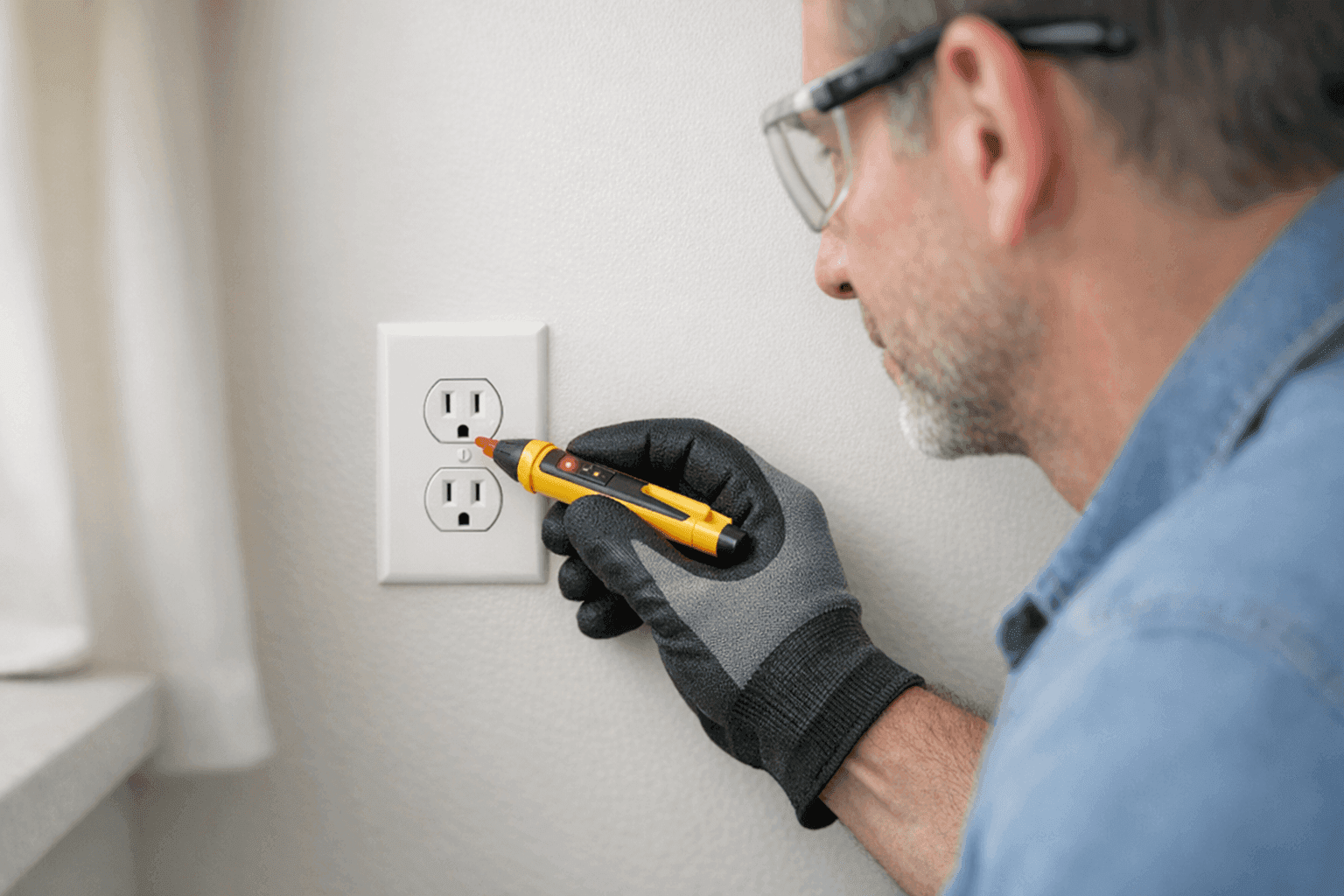
- Use a voltage tester: Never rely on a light switch alone. Test the outlet or switch to ensure it’s truly off.
- Dry hands only: Water and electricity don’t mix.
- Keep metal away: No jewelry, and don’t use metal tools unless insulated.
- Work in daylight: If the power’s off, natural light helps you see clearly.
- One hand rule: If you must touch wiring, keep one hand behind your back to prevent current from passing across your chest.
The National Fire Protection Association (NFPA) recommends that only those comfortable and knowledgeable with basic electrical safety attempt small fixes.[^1]
[^1]: Source: National Fire Protection Association (NFPA) Electrical Safety Tips
Step-by-Step Troubleshooting Guide
Let’s get your home back on track, step by step.
1. Check Other Outlets and Switches
Is it just one device, or are others in the room dead too? Finding the pattern helps you know if it's a bigger issue.
- Try plugging a lamp or phone charger in neighboring outlets.
- Flip light switches in the same area.
2. Inspect the Breaker Panel
Head to your breaker box. Look for a switch that's slightly out of line or showing red/orange.
- If you spot a tripped breaker, flip it all the way off, then firmly back on.
- If it trips again right away, stop—this could signal a dangerous fault.
3. Test and Reset GFCI Outlets
GFCI outlets have “Test” and “Reset” buttons. They cut power fast to prevent shocks, especially near water.
- Press the “Reset” button. Listen for a click.
- If it won’t reset or trips again, there may be moisture or a wiring issue.
4. Examine for Obvious Damage
- Check for burn marks, buzzing, or a hot faceplate—these are red flags.
- Don’t ignore smells like burning plastic.
5. Tighten Loose Outlets and Switches
With the power OFF:
- Remove the cover plate.
- Gently tug wires—loose ones need tightening.
- Check that all screws are snug, but don’t overtighten.
If wires appear discolored or brittle, it’s time to call for help.
6. Replace Worn Outlets or Switches
Sometimes, the best fix is a new device. Only attempt this if you’re comfortable and know how to wire correctly. If not, leave it to the pros.
7. Watch for Patterns
If multiple rooms or devices go out together, the problem may be inside the panel, or with the wiring behind the walls. Don’t go further—call an electrician.
Testing GFCIs and Breakers
GFCIs and circuit breakers are like silent bodyguards for your home. Here’s how to test them safely:
- GFCI: Press “Test.” The outlet should click and power should cut. Press “Reset” to restore.
- Breaker: Flip it all the way off, then on. If it won’t stay on, there’s a deeper issue.
If your GFCI won’t reset, or if outlets downstream stay dead, you may have a wiring fault or moisture inside the box.
When to Call a Licensed Electrician 🛠️
Some fixes are simple. Others need a skilled hand:
- Repeated breaker trips.
- Burning smells or heat.
- Visible sparks or buzzing.
- Multiple dead outlets or switches.
- No power after trying resets.
- Wet or flooded outlets.
Electrical codes (like NEC 2023) require that certain repairs be performed or inspected by a licensed electrician. Safety and compliance aren’t optional.
If you’re in the area and need Fault Finding or repairs, our team at Angelic Electric is ready for fast, safe help.
Why Not All Electrical Repairs Are DIY
Some jobs are like changing a lightbulb. Others are more like rebuilding your car’s engine. Here’s why:
- Hidden faults can lead to shock or fire.
- Insurance may not cover DIY electrical mishaps.
- Permits and inspections may be required by local law.
If you’re not 100% confident, call an electrician. Your safety is priceless.
What an Electrician Will Do On Arrival
Expect a professional, thorough process:
- Listen to your description of the problem.
- Test outlets, switches, and circuits with specialized tools.
- Inspect your panel for hidden issues.
- Check wiring for damage or loose connections.
- Advise on repairs or replacement, following all codes.
For more on our approach, see our Repairs and Outlets & Switches service pages.
Preventing Outlet and Switch Problems
A little care goes a long way:
- Don’t overload outlets.
- Replace devices showing signs of wear or overheating.
- Schedule regular electrical safety inspections.
- Keep outlets and switches dry.
- If you have little ones, use outlet covers to prevent accidental damage.
How Much Time and Disruption Should You Expect?
Simple fixes—like resetting a breaker—take minutes. More complex repairs may take an hour or two, sometimes longer if rewiring is needed. A good electrician will minimize mess and explain what’s happening every step of the way.
Signs You Should Never Ignore
If you notice any of the following, stop using the affected outlet or switch and call for help immediately:
- Sizzling, crackling, or popping sounds
- Smoke or burning smells
- Warm or discolored plates
- Repeated shocks from outlets
These are warning signs of serious electrical hazards.
Emergency Electrical Issues: When It’s Urgent
If you lose power to crucial appliances (like refrigerators or medical devices), or if you see smoke or sparks, treat it as an emergency. 24-hour service is available for urgent needs—don't wait to get help.
FAQ: Quick Answers to Common Questions
Q: Is it safe to replace an outlet myself?
A: Only if you’re familiar with electrical work and have turned off the power. When in doubt, call an electrician.
Q: Why do my GFCI outlets keep tripping?
A: Moisture, faulty appliances, or wiring issues could be at fault. An electrician can pinpoint the cause.
Q: Can I fix a dead switch without special tools?
A: A basic screwdriver helps, but a voltage tester is a must for safety.
Seasonal Considerations for Outlets and Switches
- Storm season: Power surges and moisture can cause sudden failures. Surge protection helps!
- Winter: Space heaters can overload circuits.
- Summer: Pools and outdoor outlets need extra attention.
Avoiding Common Mistakes
- Don’t use extension cords as a permanent fix.
- Never ignore repeated breaker trips.
- Don’t jam multiple plugs into one outlet.
Materials and Equipment You’ll Need
For safe DIY troubleshooting:
- Non-contact voltage tester
- Insulated screwdriver
- Flashlight
- Replacement outlet or switch (if needed)
Remember: if you’re unsure, the best tool is your phone. Call an electrician.
Final Thoughts: Stay Safe, Stay Powered
Losing power at an outlet or switch is more than an inconvenience—it’s a sign your electrical system needs attention. Work through the steps above if you feel comfortable, but don’t push your luck. Your safety comes first, always.
Call Angelic Electric now — or reach us anytime at 844-440-1817 .