How to Add or Relocate Outlets and Switches in Your Home
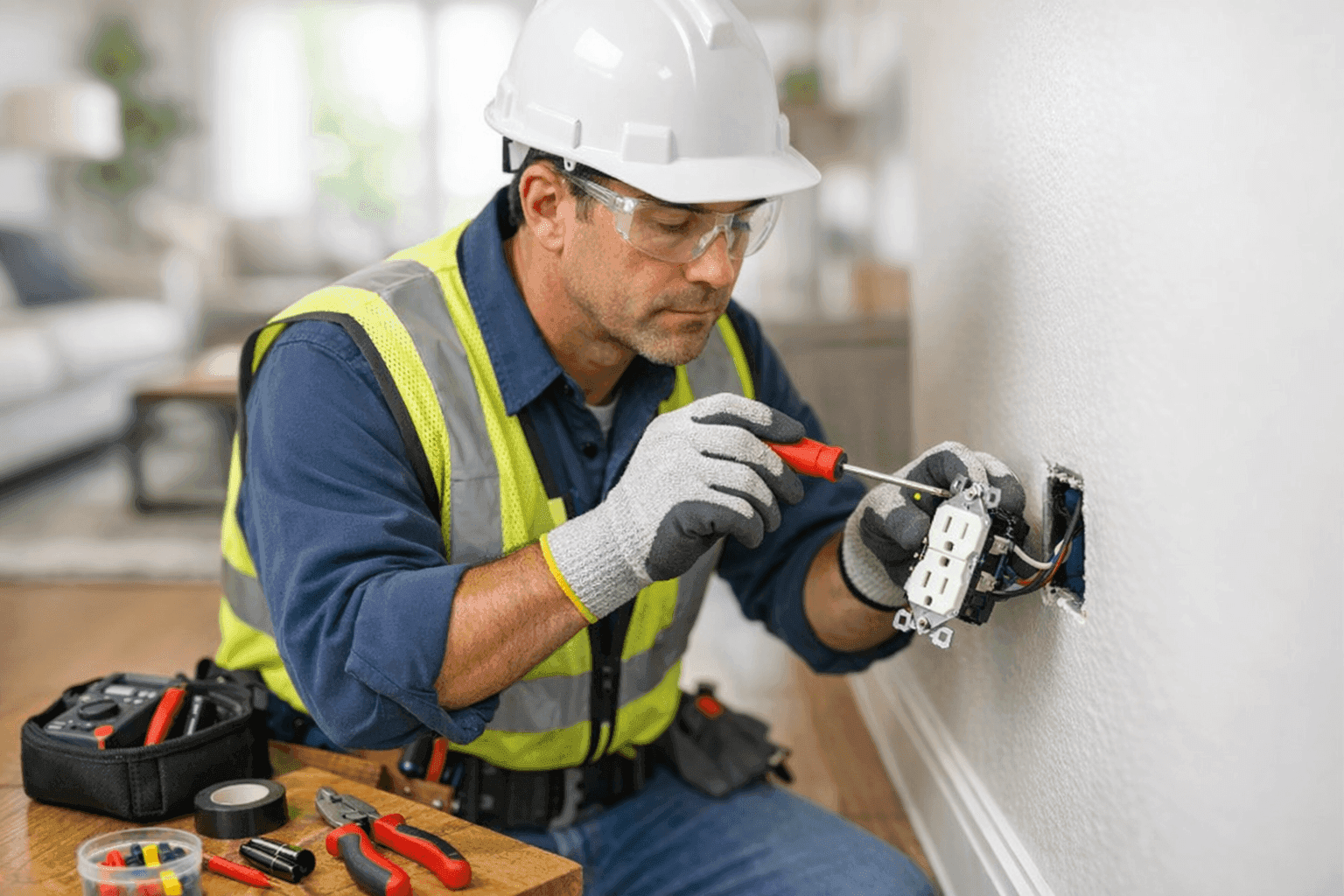
Is there ever a convenient time to realize you don’t have an outlet where you need one? Maybe you’re wrestling behind the couch, or stretching your phone charger across the kitchen. We’ve all been there. Whether you’re adding a new home office, updating your living room, or just tired of extension cords, adjusting your outlets and switches brings real daily comfort—and safety.
At Angelic Electric, we help homeowners navigate these changes while keeping your family and home protected. If you’re thinking about adding or moving outlets or switches, you’re in the right place.
Why Add or Move Outlets/Switches? ⚡
Homes aren’t static. Life changes, and your electrical needs grow along with it. Here’s why homeowners request new outlets or switch locations:
- Furniture rearrangement: You buy a new sectional, but outlets are blocked or awkwardly placed.
- Home office setups: Computers and printers need easy access to power—no risky daisy-chained strips.
- Modern appliances: Kitchen or garage upgrades often need dedicated circuits or extra outlets.
- Childproofing/safety: No more exposed cords or overloaded outlets lurking behind furniture.
- Smart home upgrades: Light switches in more convenient spots, or adding smart dimmers.
Think of outlets and switches like the plumbing of power—without enough taps in the right places, daily life gets messy.
Safety and Code Considerations
Electricity is powerful. It deserves respect. When it comes to moving or installing outlets and switches, there’s more beneath the surface than drywall dust.
- Code compliance: The National Electrical Code (NEC) sets strict rules for spacing, height, and wiring methods. For example, outlets should be installed every 12 feet on walls in living areas. Kitchens and bathrooms have their own GFCI (Ground Fault Circuit Interrupter) requirements for safety.
- Permits: Many municipalities require a permit for electrical work—especially when new circuits are added or walls are opened.
- Insurance: DIY electrical work can void your homeowner’s insurance if a fire or injury occurs due to improper installation.
- Hidden hazards: Old wiring, aluminum conductors, or other surprises may lurk behind walls. These need to be addressed during upgrades.
For peace of mind, a licensed electrician will always check these boxes.
Steps to Add or Relocate Outlets
Ready to improve your home’s power map? Here’s how the process unfolds:
- Plan the location: Think about furniture layout, reach, and what you’ll plug in. Mark out ideal spots. Consider future needs—adding an outlet now is easier than later!
- Assess existing wiring: An electrician will check for available circuits and capacity. Overloading a circuit is a classic misstep.
- Shut off power: Safety first. The circuit feeding the existing outlet or switch must be completely powered down at the breaker.
- Cut wall openings: Precision matters. The new outlet box must fit snugly and be anchored securely.
- Run new wire: This may involve fishing wire through studs, sometimes even attics or basements. For major moves, new wiring may be run entirely from the panel.
- Install outlet or switch: Proper grounding, wire connections, and device installation.
- Test and inspect: Power is restored. Devices are checked with a tester. In many areas, a city inspection is required before closing up walls.
- Patch and finish: Drywall, paint, and trim are restored to match the rest of your room.
When to Hire a Professional
Adding or moving an outlet may seem simple—until you hit a snag. Here’s when calling Angelic Electric is your best bet:
- Unfamiliar wiring: Older homes, knob-and-tube, or aluminum wiring.
- Adding new circuits: If your panel is full or you need more power.
- GFCI/AFCI requirements: Kitchens, bathrooms, garages, and outdoors have special safety needs.
- Multiple switches or three-way setups: For hallways or staircases.
- Hidden obstacles: Plumbing, ductwork, or fire blocks in the wall.
A professional electrician brings tools, know-how, and the experience to spot problems before they become headaches.
Planning for Future Needs
Today’s “just one more outlet” often becomes tomorrow’s “wish I had two more.” When planning, consider:
- Smart home devices: Add neutral wires and deep boxes for future smart switches or dimmers.
- USB outlets: Convenience for charging phones and tablets.
- Appliance upgrades: Will you want a bigger fridge, a double oven, or a new washer soon?
- Outdoor living: Power for patio lights, entertainment, or holiday decorations.
A thoughtful plan now saves time, money, and dust down the road.
Quick Safety Checklist Before You Start
- Always turn off power at the breaker panel—then test at the outlet with a voltage tester.
- Use only UL-listed outlets, switches, and boxes.
- Never overload a circuit. Check wattage ratings.
- Avoid running wires through sharp metal or over hot pipes.
- If you see frayed wires, scorching, or smell burning, stop and call an electrician immediately.
Safety is not a place to cut corners.
DIY vs. Call a Pro: What’s Right for You?
Some handy homeowners handle simple outlet swaps, especially if the wiring is new and accessible. But here’s when DIY crosses into risky territory:
- Working on old, brittle, or confusing wiring.
- No ground wire present.
- Installing new circuits or running wires through walls.
- Installing GFCI or AFCI devices.
When in doubt, bring in an electrician. Your family’s safety is always the top priority.
What Electricians Do On Arrival
Expect professionalism and care:
- Respect for your home (drop cloths, clean shoes, tidy work).
- Careful inspection of wiring and panel.
- Upfront discussion of code requirements and options.
- Quality installation and thorough testing.
- Full cleanup and walk-through.
At Angelic Electric, it’s about clarity, safety, and leaving your space better than we found it.
Prevention & Maintenance Tips
- Test GFCI outlets monthly by pressing the “Test” and “Reset” buttons.
- Look for signs of trouble: buzzing, flickering, warm outlets, or frequent breaker trips.
- Avoid overloading outlets with high-wattage appliances.
- Schedule regular electrical safety inspections—especially in older homes.
Preventive care keeps small issues from turning into big repairs.
Costs & Time Factors
How much will it cost, and how long will it take? The answer depends on:
- Wall type (drywall, plaster, brick)
- Distance from the panel
- Circuit availability
- Number of outlets or switches
A single outlet in drywall with easy access might take less than an hour. More complex jobs, or older homes, may need several hours.
For a custom quote, reach out to Angelic Electric. We’ll walk you through the options with no surprises.
When It’s an Emergency
Some electrical problems can’t wait:
- Outlets sparking or smoking
- Switches that feel hot
- Loss of power to essential areas
- Burning smells
In these cases, cut power at the breaker and call for emergency service right away.
Common Mistakes to Avoid
- Using the wrong wire gauge for the circuit
- Failing to ground outlets or switches
- Mixing up hot, neutral, and ground wires
- Not following code on outlet spacing or GFCI placement
- Failing to get permits or inspections
Mistakes here aren’t just inconvenient—they’re dangerous.
Signs of Trouble in Your Outlets & Switches
- Outlets that don’t hold plugs securely
- Flickering lights when you use a switch
- Buzzing, clicking, or sizzling sounds
- Tripped breakers when you plug in appliances
- Discoloration around plates
Don’t ignore these red flags. They’re your home’s way of asking for help.
Timeline & Disruption: What to Expect
Most outlet or switch installations are completed in a few hours. More complex projects (like running new wiring or working in finished basements) may take a day or more. You’ll have some minor dust and patching, but a professional keeps disruption as low as possible.
Communicate your schedule needs up front, and we’ll make it work for you.
Materials and Equipment Needed
A well-stocked electrician’s kit includes:
- UL-listed outlets, switches, and boxes
- Voltage tester and multimeter
- Fish tape and wire strippers
- Drill and drywall saw
- GFCI/AFCI devices for code compliance
- Wire nuts and electrical tape
Let us handle the technical details—so you can enjoy the results.
Upgrades That Add Value
Strategic upgrades can boost your home’s value:
- USB charging outlets in living areas
- Smart switches and dimmers
- Tamper-resistant outlets for child safety
- Illuminated switches for dark halls
Each change is an investment in comfort, safety, and style.
Local Considerations: Spring Valley and Beyond
If you're seeking Outlets & Switches or Wiring & Circuits for your home, know that regional codes and best practices apply. Angelic Electric stays up-to-date with the latest standards, so your project is compliant and safe.
Resources for Further Reference
- National Electrical Code (NEC), National Fire Protection Association (NFPA 70)
- Consumer Product Safety Commission: Home Electrical Safety Checklist
- U.S. Department of Energy: Electrical Safety in the Home
Ready to Power Up Your Home?
Adding or moving outlets and switches is about more than just convenience—it’s about safety, function, and future-proofing your home. Ready to start? Rely on the trusted team at Angelic Electric.
Call Angelic Electric now — or reach us anytime at 844-440-1817 .