The Basics of Low Voltage Systems for Modern Homes
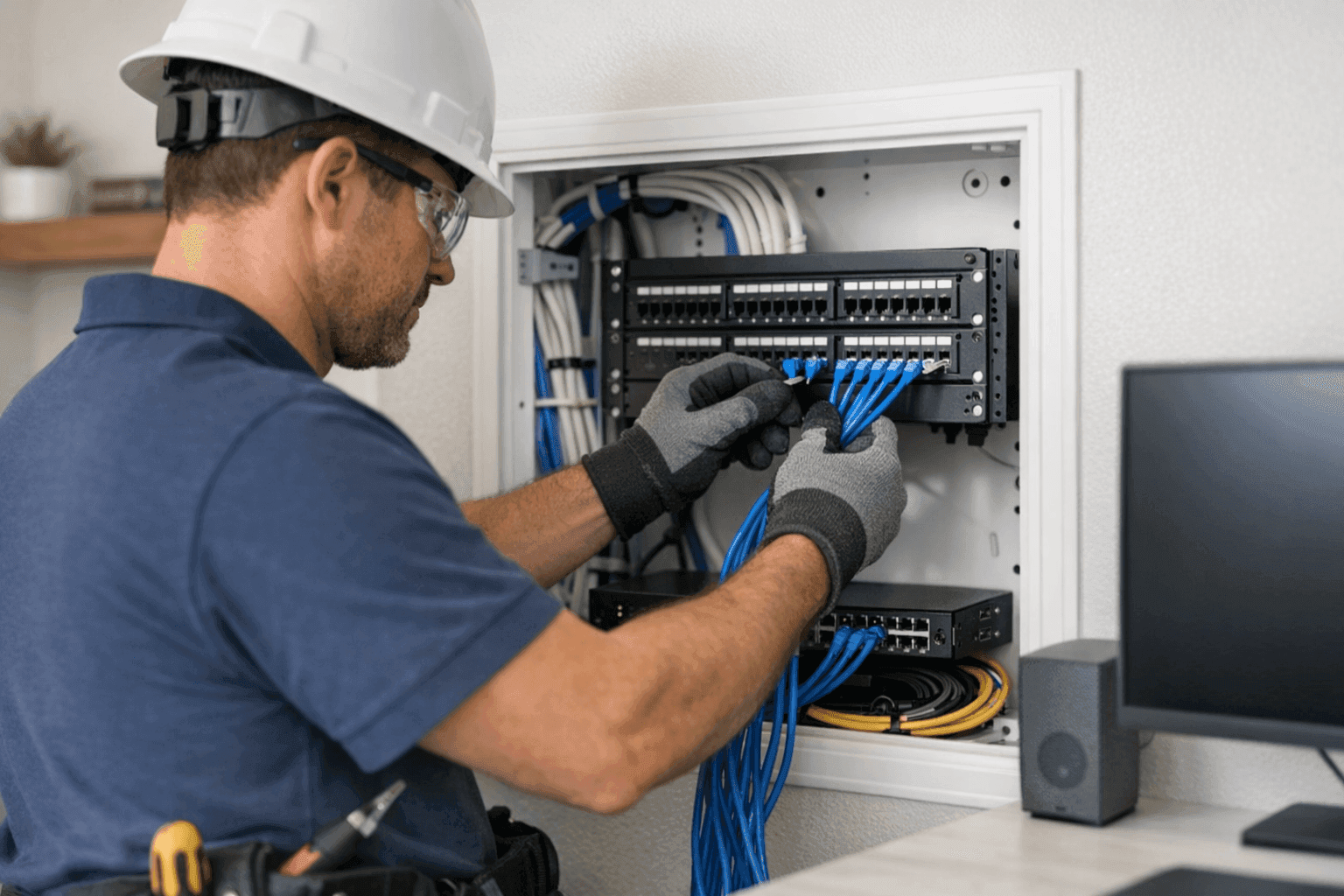
Modern homes are a patchwork of technology—phones, smart lights, security cameras, and more. But behind the walls, it's the wiring that keeps your world connected. Ever wondered how your home keeps up with every new device, sensor, or automated light? That’s the magic of low voltage systems.
At Angelic Electric, we see firsthand how low voltage wiring shapes the way families live, work, and relax. If you want a safer, smarter home, understanding these systems is the first step.
What Are Low Voltage Systems?
Low voltage systems are like the quiet rivers that make a landscape thrive. Instead of carrying the full force of household power (120V or 240V), they flow with a gentle current—usually 50 volts or less. Think of the wiring behind your doorbell, smart thermostat, or living room speakers.
Here's what falls under low voltage in a typical home:
- Smart lighting systems
- Phone, internet, and data cabling
- Security alarms and cameras
- Audio and video distribution
- Doorbells and intercoms
- Home automation controls
These systems support comfort, security, and convenience—without the risk or bulk of heavy-duty electrical wiring.
Low Voltage vs. Standard Wiring: What’s the Difference?
Standard wiring is the workhorse. It powers outlets, appliances, and big-ticket devices like ovens or dryers. It's strong, but it comes with serious safety requirements—thicker insulation, metal boxes, and strict codes.
Low voltage wiring is the nimble assistant. Flexible, thinner, and easier to route behind walls or ceilings, it’s perfect for data and control signals. While the risk of shock is lower, it still needs careful handling and proper installation, especially around moisture or heat.
Key differences:
- Voltage: Low voltage (≤50V) vs. line voltage (120V/240V)
- Usage: Data, controls, signals vs. power-hungry devices
- Safety: Reduced risk, but not risk-free
Why Low Voltage Is Essential for Modern Homes
Picture your home as a stage. The standard wiring runs the spotlight and the sound system. Low voltage wiring is the stage manager, sending cues, connecting devices, and making sure every detail runs smoothly.
Benefits include:
- Safer installation and operation
- Energy efficiency (perfect for LED lighting)
- Flexibility for future upgrades
- Seamless integration of smart home tech
- Cleaner, less obtrusive wiring runs
As more devices connect to your home each year, low voltage systems are the backbone that keep everything talking to each other.
Common Low Voltage Systems in Homes
You probably use low voltage systems every single day. Here are the most common types:
1. Smart Lighting
LED tape lights under cabinets, dimmable fixtures, or color-changing bulbs—most use low voltage power. They’re efficient and easy to control with just a tap on your phone.
Explore our lighting services for more inspiration.
2. Phone, Internet & Data Cabling
From Wi-Fi boosters to whole-home audio, structured cabling keeps your family connected. Ethernet, coax, and fiber all rely on low voltage wiring. A smooth Netflix stream or crystal-clear Zoom call? That’s low voltage working for you.
Learn more about Phone, Internet & Data Cabling.
3. Security & Surveillance
Doorbell cameras, motion sensors, glass-break detectors—these all run on low voltage. They quietly protect your home day and night, often with backup power in case of an outage.
4. Home Automation
Thermostats, blinds, sprinkler controls, and even some appliances operate through low voltage. They let you set schedules, save energy, and make your home smarter with each new device.
Quick Safety Checklist for Low Voltage Systems 🛡️
Low voltage is safer, but not “no-risk.” Here’s what every homeowner should check:
- Damaged wires: Frayed or pinched cables can still cause fires.
- Improper connections: Loose or exposed splices may fail or spark.
- Overloaded circuits: Too many devices can still overheat wiring.
- Moisture hazards: Bathrooms, kitchens, and outdoors need extra care.
Follow the National Electrical Code (NEC) for all home installations, even for low voltage. When in doubt, consult a licensed electrician.
DIY or Call a Pro? Knowing Your Limits
Changing a light bulb or plugging in a Wi-Fi booster—sure, go ahead. But running new data cables, rewiring for home automation, or adding security systems? That’s where an electrician’s know-how matters.
Here’s why:
- Hidden hazards behind walls
- Choosing the right cable type for each use
- Ensuring proper grounding and surge protection
- Meeting current electrical code requirements
A professional can spot issues before they become problems—and create a system ready for tomorrow’s upgrades.
What Happens When an Electrician Arrives
Expect a thorough walk-through. We’ll ask about your needs—are you streaming, gaming, working from home, or just want mood lighting for movie night?
We’ll:
- Inspect existing wiring and outlets & switches near you
- Map out device locations and future expansion
- Recommend upgrades (like surge protection or smarter panels)
- Provide clear, upfront options and timelines
And we’ll leave your home as clean as we found it.
Maintenance Tips: Keeping Your System Reliable
Low voltage systems are low-maintenance, but not maintenance-free. Regular checks add years of life.
- Dust outlets, switches, and control panels
- Visually inspect wiring for wear or animal damage
- Test security and smoke detectors monthly
- Replace batteries in wireless devices as needed
- Schedule a full system check every few years
If you notice flickering lights, dead zones in your Wi-Fi, or buzzing from speakers, it may be time to call an electrician.
Costs & Time Factors: What to Expect
Low voltage upgrades are an investment in comfort and safety. Costs depend on the size of your home, the number of devices, and the complexity of the system.
- Simple jobs: Adding a new outlet or fixture can take under an hour.
- Whole-home wiring: Often completed in a day or two, with minimal disruption.
- Smart home setups: Require planning but are usually less invasive than major electrical work.
Professional installation means fewer headaches down the road.
Signs of Trouble: When to Act Fast
Don’t ignore these warning signs:
- Devices suddenly stop working
- Unexplained buzzing or humming sounds
- Frequent signal loss or lag
- Burn marks or unusual smells
These can signal wiring problems that need immediate attention.
Common Mistakes Homeowners Make
- Using the wrong type of cable (data vs. power)
- Daisy-chaining too many devices to one circuit
- Failing to protect outdoor wiring from weather
- Skipping code compliance for “just a quick job”
A pro keeps your system reliable and code-compliant—saving time and money in the long run.
Integrating Systems: The Power of Professional Design
A well-designed low voltage system is like a symphony. Every part works in harmony—lighting, security, data, and automation—so your home runs smoothly and efficiently.
Benefits of professional design:
- Future-proof wiring for upgrades
- Centralized control systems
- Neat, hidden wiring runs
- Stronger, more reliable connections
At Angelic Electric, we specialize in creating custom solutions for modern homes. We’re not just wiring houses; we’re building the backbone for your family’s comfort and safety.
Safety and Code Resources
All electrical work—especially low voltage—should follow the National Electrical Code (NEC). The NEC sets standards for safe installation, grounding, and protection. The Consumer Product Safety Commission (CPSC) also provides guidance on safe home wiring and fire prevention.
If you’re unsure, always err on the side of caution and call a qualified electrician.
Seasonal Considerations: Upgrades and Checks
Spring cleaning? Great time to check those security cameras and data cables for damage from winter storms. Planning holiday lighting? Make sure your low voltage circuits can handle the extra load.
A little prep now prevents headaches later.
Your Home, Upgraded—The Angelic Electric Way
Ready to upgrade your home’s comfort, security, or connectivity? Angelic Electric is here to help with everything from outlets & switches to full low voltage system design. If you’re looking for an electrician company in Omaha, we’re just a call away.
Call Angelic Electric now — or reach us anytime at 844-440-1817 .