How to Choose the Best Lighting Fixtures for Every Room
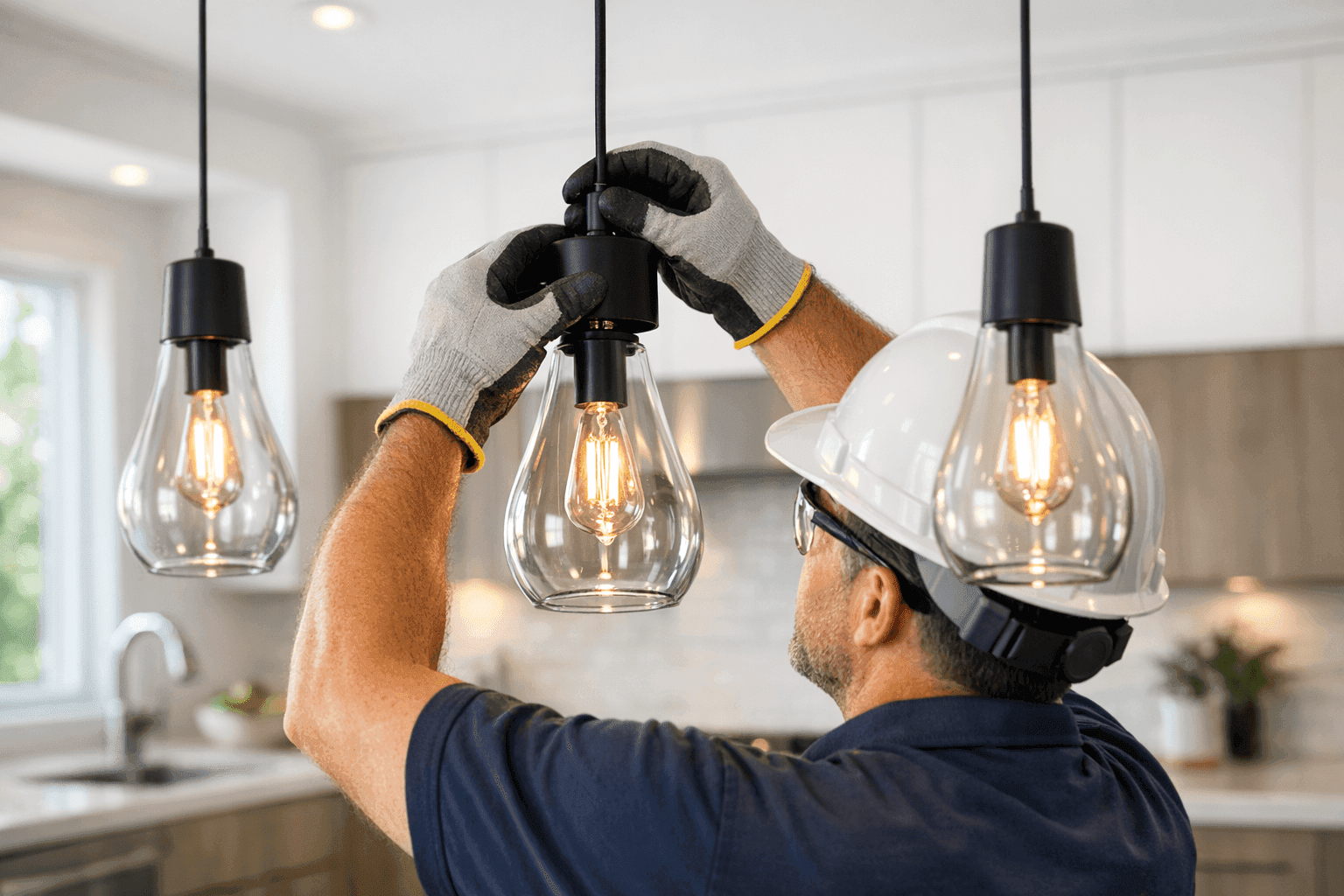
Does your kitchen feel gloomy no matter the time of day? Are you squinting in your hallway, or struggling to read in your living room? The right lighting fixtures can transform not just the look, but also the comfort and safety of your home.
Choosing lighting isn’t just about style—it’s about function, safety, and getting every detail right for the way you live. At Angelic Electric, we help homeowners make smart choices that last.
Lighting Basics: The Foundation for Every Room
Lighting is like seasoning in a great recipe. Too little, and everything feels flat. Too much, and it overwhelms. Just right, and your home feels welcoming, practical, and safe.
Each fixture serves a purpose:
- Task lighting: Focused, bright light for activities like chopping vegetables or reading.
- Ambient lighting: The main source that fills a room with light.
- Accent lighting: Highlights artwork, shelves, or architectural details.
Knowing which you need is step one.
Kitchen Lighting: Where Safety Meets Style
A kitchen without good lighting is like a car with foggy headlights. You need clarity for every task. Start with bright, even ambient lighting—think recessed ceiling lights or a flush mount fixture. Add task lighting under cabinets or over counters to banish shadows.
- Pendant lights: Beautiful over islands, but make sure they’re hung at the right height (around 30–36 inches above the countertop).
- Recessed lights: Sleek, out of the way, but may require more fixtures to avoid dark spots.
- LED strips: Fantastic for under-cabinet work, easy on energy.
Look for fixtures rated for kitchen use, and always use a licensed electrician for installation. According to the National Electrical Code (NEC), kitchen circuits must be protected by GFCI outlets for safety.
Living Room Lighting: Creating Ambiance and Comfort
The living room is your home’s stage. Lighting should be flexible—soft for movie nights, bright for gatherings.
- Ceiling fans with integrated lights: Circulate air and soften light, but may not be enough alone.
- Floor and table lamps: Easy to move, but rely on well-placed outlets & switches near you.
- Wall sconces: Add drama, but work best as accent lighting.
Dimmer switches allow you to control the mood. When planning new installs, consider home-automation options for smart control.
Bathroom Lighting: Moisture-Proof and Mistake-Free 🚿
Bathrooms are tricky—steam, water, and small spaces. Choose fixtures specifically rated for damp or wet locations (look for UL Damp or Wet labels).
- Vanity lights: Place at eye level to avoid harsh shadows.
- Recessed fixtures: Good for showers, but must be moisture-rated.
- LED mirrors: Modern, practical, and energy-saving.
Don’t forget ventilation. Ask your electrician about code requirements for bathroom outlets and lighting to prevent hazards.
Bedroom Lighting: Calm, Cozy, and Practical
Bedrooms should invite relaxation. Start with soft ambient lighting—a flush mount or semi-flush fixture works well. Add bedside lamps for reading and wall sconces for style.
- Dimmer switches: Set the mood from bright to restful.
- Accent lighting: LED strips behind headboards or under shelves add a gentle glow.
Install switches where you can reach them easily from bed for safety and convenience.
Hallway and Entry Lighting: First Impressions Matter
Hallways are the arteries of your home, but often overlooked. Good lighting here prevents trips and highlights photos or art.
- Flush or semi-flush ceiling fixtures: Simple, effective.
- Sconces: Add warmth and interest, but avoid glare.
- Accent lighting: LED strips along baseboards guide the way at night.
Motion sensors or smart controls can make hallways safer, especially for kids and older adults.
Types of Fixtures: Pros and Cons
Let’s break down the main options:
Recessed Lights
- Pros: Streamlined look, excellent for low ceilings.
- Cons: May need many fixtures; can be tricky to install without an electrician.
Pendant Lights
- Pros: Stylish, great for islands and tables.
- Cons: Can hang too low or cause glare if not placed well.
Wall Sconces
- Pros: Add layers and visual interest.
- Cons: Limited coverage, need proper placement.
LED Strips
- Pros: Flexible, efficient, great for accent or under-cabinet use.
- Cons: Not always bright enough as a main light.
Each type has its place. Mixing and matching is often the best approach.
Quick Safety Checklist: Don’t Cut Corners
Electrical work isn’t a place for shortcuts. Before you pick a fixture or start a project, ask yourself:
- Is the fixture rated for the room (damp, wet, high-traffic)?
- Are your outlets and switches up to code?
- Do you need GFCI or AFCI protection?
- Are existing circuits rated for additional load?
When in doubt, ask your electrician. The NEC and local building codes are there for your protection.
DIY or Call a Pro? When to Step Back
Some lighting updates are safe for homeowners—like swapping a bulb or plugging in a lamp. But installing new fixtures, running wiring, or adding smart controls? That’s pro territory.
- Risk of shock or fire is real if wiring isn’t done right.
- Mistakes can void insurance or fixture warranties.
- Licensed electricians ensure code compliance and safe operation.
If you’re not sure, play it safe. Call Angelic Electric for any installation or upgrade.
Certified Installation: Why It Matters
Installing lighting isn’t just about getting the wires connected. Proper installation:
- Ensures warranty coverage for your fixtures.
- Meets local safety codes.
- Prevents fire risks and shock hazards.
The U.S. Consumer Product Safety Commission recommends using a licensed electrician for all electrical work—especially in kitchens, baths, and outdoor spaces.
The Hidden Value of Smart Lighting
Smart lighting isn’t just a trend—it’s a leap forward in safety and energy savings. Homeowners can schedule lights, adjust brightness, and control fixtures remotely. This is especially helpful for security, travel, and accessibility.
Explore options for Installations and smart home features to future-proof your home and simplify daily routines.
Lighting and Energy Efficiency: Save Money, Stay Comfortable 💡
Switching to LED fixtures can cut energy use by up to 75% compared to old incandescent bulbs, according to the Department of Energy. Look for ENERGY STAR-rated fixtures for the best efficiency.
- Use dimmers to reduce wattage when full brightness isn’t needed.
- Motion sensors prevent lights from being left on in empty rooms.
- Quality fixtures last longer, reducing waste and replacement costs.
Common Mistakes to Avoid
A few missteps can spoil even the best lighting plan:
- Using the wrong type of bulb for a fixture.
- Overloading circuits with too many high-wattage lights.
- Poor placement—fixtures too high, low, or far apart.
- Skipping moisture-rated fixtures in baths and laundry rooms.
Measure carefully and consult a licensed electrician if you’re unsure.
How Long Does Installation Take?
Most single-room upgrades take just a few hours with a professional team. Whole-home lighting plans or smart system installs may take longer, especially if wiring upgrades are needed.
Plan for some disruption—moving furniture, patching drywall, or updating switches. Clear communication with your electrician keeps surprises to a minimum.
Electrical Safety Codes: Your First Line of Defense
Lighting installations must follow the latest National Electrical Code (NEC) and any local rules. This covers wire sizes, circuit limits, and fixture placement. A reputable electrician will always pull permits and arrange inspections as needed.
Check the U.S. Department of Labor’s OSHA guidelines for additional electrical safety tips.
Emergency Lighting: Be Ready for the Unexpected
Power outages and emergencies happen. Consider backup options:
- Battery-powered LED fixtures
- Whole-home generators
- Emergency exit lights in key areas
An electrician can help you choose the right solutions for your needs.
Seasonal Lighting: Decorate Safely
During holidays, it’s tempting to go all out with decorations. Only use lights rated for outdoor use outside. Never overload outlets or daisy-chain extension cords. Unplug temporary lights before bed.
For any permanent upgrades, schedule an evaluation with your local electrician company.
FAQ: Your Lighting Questions, Answered
Q: How do I know if my wiring can handle new lights?
A: Have an electrician check your panels & breakers before adding fixtures.
Q: What’s the best light color for bedrooms?
A: Warm white (around 2700K) feels most relaxing.
Q: Can I add smart switches later?
A: Yes, but it’s easier to plan wiring for automation from the start.
Q: How do I find Outlets & Switches near me for new fixtures?
A: Contact an electrician for a home safety check and consult on the best locations.
Ready to Light Up Your Home?
Great lighting is a blend of art, science, and safety. From kitchen task lights to cozy bedroom ambiance, every room deserves a thoughtful plan—and a safe, professional installation.
If you’re planning a lighting project, need an inspection, or just want to chat options, Angelic Electric is here to help. We proudly serve homeowners and offer a full range of lighting and install services.
Call Angelic Electric now — or reach us anytime at 844-440-1817 .