How to Choose the Right Backup Generator for Your Home
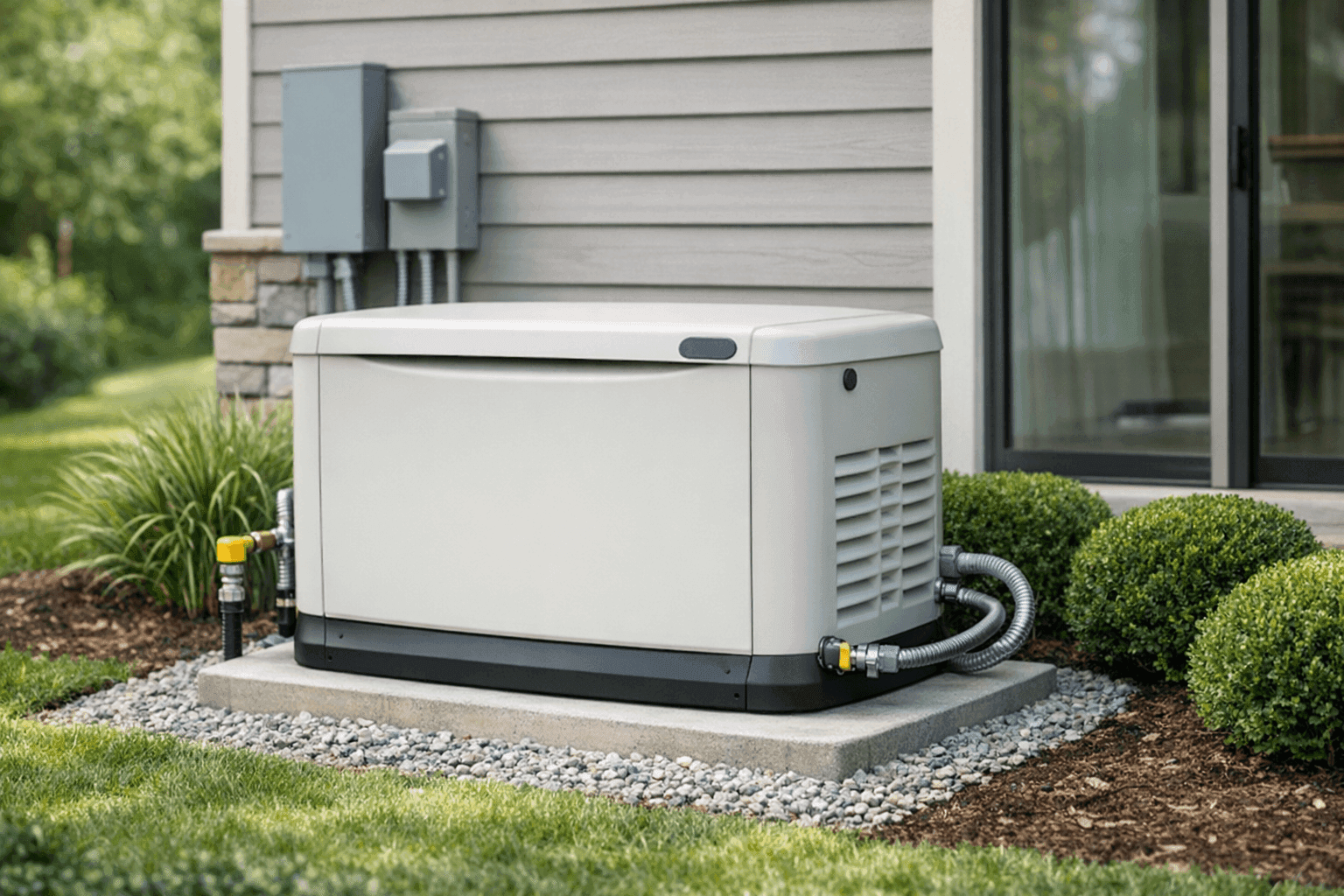
Is your home ready for the next big storm? Power outages don’t make appointments. They just hit—often when you least expect it. That’s why more families are considering backup generators. But choosing the right one isn’t as simple as picking a number off a shelf.
At Angelic Electric, we know that finding the right fit can feel overwhelming. We help homeowners every day, guiding them through options, safety, and installation. Here’s what you should know before you make this important investment.
Why You Need a Backup Generator ⚡
Imagine it’s late at night. The wind howls, the rain lashes your windows—and suddenly, everything goes dark. Your fridge, your lights, your heat or air conditioning: all out of commission. A backup generator steps in when the grid steps out, keeping essentials running and your family comfortable.
But it’s about more than just convenience. Medical devices, security systems, sump pumps—all rely on steady power. According to the Electrical Safety Foundation International (ESFI), prolonged outages can lead to everything from spoiled food to dangerous conditions like burst pipes. A generator is your safety net.
Generator Types and Fuel Options
Not all generators are created equal. Picture them like cars: some run on gas, others on diesel, propane, or natural gas. Here’s a quick rundown:
- Portable Generators: Small, mobile, and usually powered by gasoline. Good for short-term, selective backup (think fridge or a few lights).
- Standby Generators: Permanent fixtures. These run on natural gas or propane, kick on automatically, and can power your whole house—or just key circuits.
- Inverter Generators: Quieter and more fuel-efficient, great for sensitive electronics but usually smaller in capacity.
Fuel choice matters. Natural gas lines mean no refueling, but not every home has access. Propane can be stored, but tanks need refilling. Diesel generators are tough but noisier and need regular maintenance.
Sizing Your Generator Correctly
The biggest mistake? Guessing how much power you need. It’s like buying shoes without knowing your size.
Start by listing what you want to power: fridge, furnace, sump pump, lights, maybe an AC unit. Each has a wattage requirement. Add them up—then add a bit more for starting surges. The National Electrical Code (NEC) gives guidelines, but a licensed electrician can help you get it right.
If you undersize, you risk overloading the generator or leaving essentials in the dark. Oversize, and you’re spending more than necessary.
Installation and Maintenance Tips
Installing a generator isn’t like plugging in a toaster. It involves permits, code compliance, and often a transfer switch to safely connect to your electrical panel.
- Site Selection: Keep the generator outside, away from windows and doors—carbon monoxide is silent and deadly.
- Transfer Switch: This device isolates your house from the grid when the generator runs, preventing dangerous back-feeding.
- Regular Testing: Run your generator monthly. Check fuel levels. Schedule yearly professional inspections, especially before storm season.
For Electrical System Installation, always hire a qualified electrician. Mistakes can void warranties, damage appliances, or worse—put your home at risk.
Common Generator Mistakes
- DIY Hookups: Never run extension cords through windows or doors. It’s a fire and safety hazard.
- Neglecting Maintenance: Generators need oil changes, filter replacements, and occasional tune-ups.
- Ignoring Load Limits: Powering too many devices can trip breakers or damage the generator.
- Poor Placement: Never operate a generator indoors or in a garage. Always allow for proper ventilation.
- Skipping Professional Advice: A quick consult with an electrician can save you time, money, and headaches.
Quick Safety Checklist
- Install carbon monoxide detectors near sleeping areas.
- Store fuel safely, away from heat sources.
- Keep a clear path around the generator for airflow.
- Test your transfer switch at least once a year.
- Review emergency shutdown procedures.
DIY vs. Call a Pro
Tempted to do it yourself? For portable units, it’s possible—but always follow manufacturer instructions and local codes. For standby or whole-house generators, the risks of improper installation outweigh the savings. Electricity isn’t forgiving. Call a professional electrician for help, especially with Backup Generators or complex wiring.
What Pros Do on Arrival
When you call Angelic Electric, here’s what to expect:
- Assessment of your home’s electrical system.
- Discussion of your power needs and priorities.
- Site survey for safe, code-compliant placement.
- Detailed explanation of permits and inspection requirements.
- Transparent pricing and timeline.
Prevention & Maintenance
Like a car, your generator needs regular care. Schedule annual service. Change oil and filters as recommended. Test load capacity before storm season hits. Remember, preventive maintenance is always cheaper than emergency repairs.
Costs & Time Factors
Backup generator prices vary by size, type, and installation needs. Portable units start lower, but whole-home standby generators are an investment. Factor in installation, permits, and regular maintenance. Installation can take a day or two, depending on complexity.
When It’s an Emergency
If your power is out and you don’t have backup, call us. But the best time to prepare is before the storm. For emergencies—sparks, smoke, or strange noises—shut everything down and get professional help immediately.
Seasonal Considerations
Generators work year-round, but winter and summer storms put them to the test. Schedule maintenance before seasons change. Check fuel supplies, batteries, and keep the area clear of snow or debris.
Signs of Trouble
- Hard starting or stalling
- Strange noises or vibrations
- Fuel or oil leaks
- Flashing warning lights
- Unusual smells (especially exhaust indoors—act fast!)
If you notice any of these, call an electrician right away.
Timeline & Disruption
Installing a standby generator usually takes a day or two. There may be brief power interruptions while connections are made. We’ll keep you informed every step of the way.
Materials & Equipment
A reliable generator setup includes:
- The generator itself (sized for your needs)
- Transfer switch and wiring
- Weatherproof pad or enclosure
- Fuel source and connections
- Maintenance kit (oil, filters, spark plug)
Our team brings all tools and materials, following NEC and local code requirements.
Questions to Ask Your Electrician
- What generator size do you recommend for my needs?
- Which fuel type is best for my location?
- How will installation affect my home’s wiring and circuits?
- What maintenance does this model require?
- Are permits or inspections needed?
- Can you provide electrician services for future needs?
The Bottom Line
A backup generator is peace of mind. It’s comfort, safety, and security—especially when weather turns rough or the unexpected strikes. Take your time, ask the right questions, and always rely on a licensed electrician for installation and maintenance.
Call Angelic Electric now — or reach us anytime at 844-440-1817 .