How Much Does It Cost to Rewire a House?
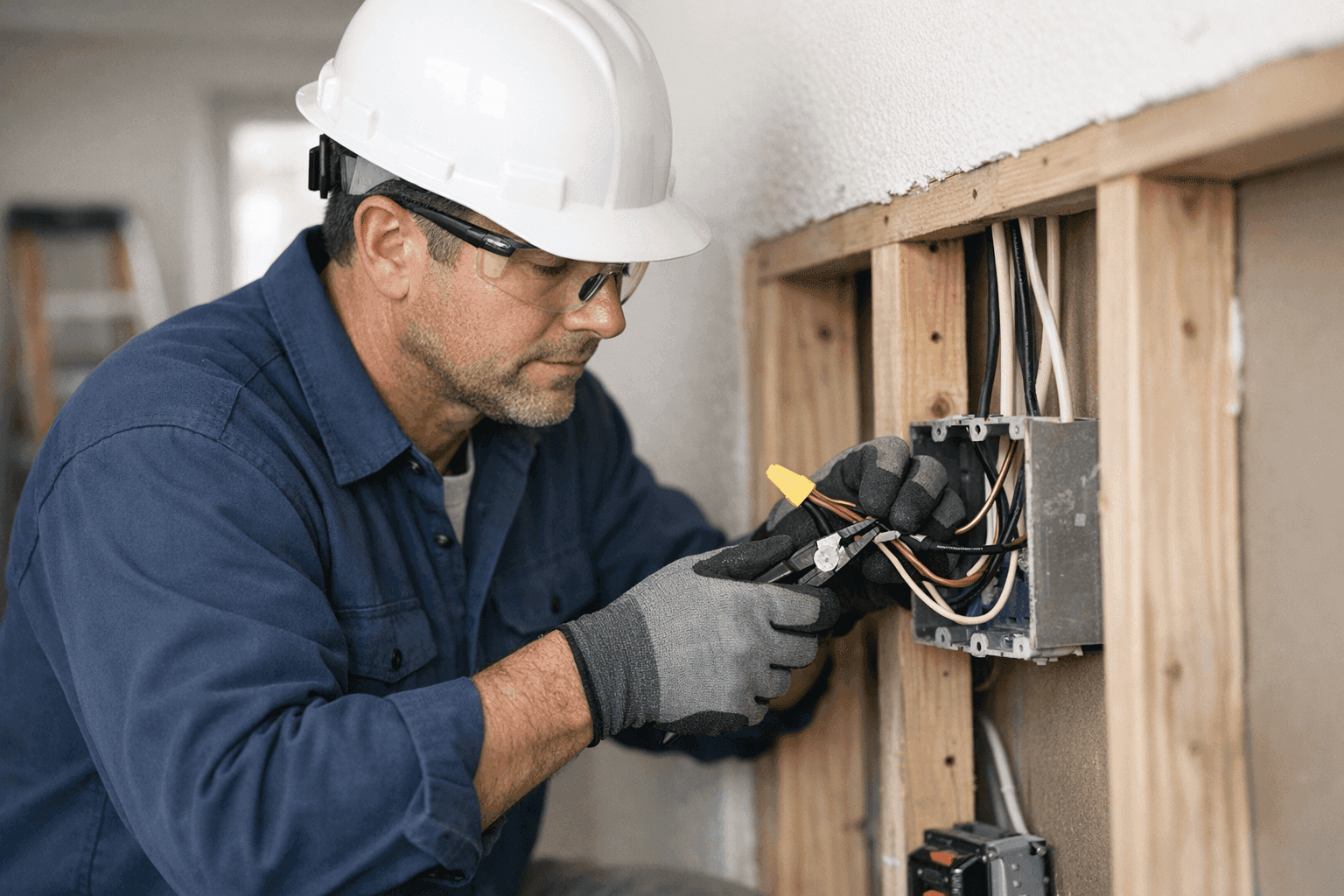
If your home’s electrical system feels as unpredictable as a thunderstorm, you’re not alone. Many homeowners wonder if it’s finally time to bite the bullet and update their wiring. It’s a big job, and yes—it can be a costly one. But it’s also about peace of mind. Good wiring is the backbone of a safe, modern home.
At Angelic Electric, we know rewiring isn’t just an upgrade. It’s protection for your family and your investment. Let’s break down the real costs, what affects them, and how you can plan ahead.
What Impacts House Rewiring Costs? ⚡
House rewiring is never one-size-fits-all. Several factors can nudge the price higher—or keep it manageable:
- Size of your home: More rooms mean more wire, outlets, and labor.
- Age and layout: Older homes may have tricky access, outdated materials, or surprises behind the walls.
- Wiring type: Are you replacing aluminum, knob-and-tube, or just upgrading old copper?
- Electrical code requirements: Cities update their codes for safety. Meeting the latest standards can add work.
- Accessibility: Finished basements, attics, or hard-to-reach spaces require more time (and sometimes creativity).
- Upgrades & extras: Adding more outlets, switches, or prepping for smart home automation? Each adds to the ticket.
Think of your home like a puzzle—each piece affects the whole picture.
Full vs. Partial Rewiring
Not every house needs a full gut job. Sometimes only certain rooms or circuits are at risk.
- Full rewiring: All wires, outlets, switches, and the panel are replaced or upgraded.
- Partial rewiring: Only select rooms, circuits, or problem areas are addressed.
A seasoned electrician will help you decide. Sometimes you’ll start with a partial job, only to discover that the rest of the house is due for an update as well.
Typical Price Ranges
What will you pay? Here’s what most homeowners can expect:
- Partial rewiring: $3,000 – $8,000 for targeted rooms or circuits.
- Full rewiring (average home): $8,000 – $20,000+ depending on size, complexity, and finishes.
Small bungalows may land on the lower end. Large or historic homes can cost more. If you need new panels, expect to spend extra for those upgrades.
Signs Your Home Needs Rewiring
How do you know it’s time? Watch for these red flags:
- Flickering or dimming lights: Not just spooky—could mean overloaded circuits.
- Frequent blown fuses or tripped breakers: A sign your system can’t keep up.
- Discolored outlets or switches: Heat damage is a serious warning.
- Buzzing or sizzling sounds: Never ignore these.
- Two-prong outlets: These lack grounding, putting people and electronics at risk.
- Aluminum or knob-and-tube wiring: Common in homes built before the 1970s, both are outdated and potentially hazardous.
If you spot these issues, schedule a safety inspection with a qualified electrician right away.
How to Budget for Rewiring
Planning ahead can soften the financial blow:
- Get multiple estimates: Prices can vary, even for the same home.
- Factor in wall repairs: Cutting into walls means patching and painting afterward.
- Plan for upgrades: Adding Wiring & Circuits? Or future-proofing for smart home features? Include these in your estimate.
- Check for rebates: Some local utilities offer incentives for upgrades that improve safety and efficiency.
- Prioritize: If a full rewire isn’t in the cards, tackle the most urgent areas first.
A detailed quote helps you avoid surprises. A good electrician will walk you through every line item.
Questions to Ask Before Hiring
Choosing the right electrician matters. Here’s what to ask:
- Are you licensed and insured for residential work?
- Can you provide recent references?
- What’s your plan for minimizing disruption and protecting my home?
- Will you handle permits and code compliance?
- How long will the project take?
- What’s the payment schedule?
Don’t be afraid to ask for details. A trustworthy professional welcomes your questions.
What Happens During a Rewire?
Imagine your home as a living organism. Rewiring is like careful surgery—planned, precise, and methodical.
- Assessment: The electrician inspects your current wiring, panels, and circuits.
- Planning: Outlets, switches, and lighting layouts are mapped to fit your needs.
- Power down: Safety first! Circuits are turned off before any work begins.
- Accessing wires: Drywall is carefully opened. Old wiring is removed, new lines are run.
- Testing: Every circuit is checked for safety and performance.
- Finish work: Walls are patched, outlets and switches installed, and everything is labeled.
It’s a big job, but a skilled team keeps things tidy and efficient.
Timeline & Disruption
Rewiring isn’t a weekend project. Most homes take one to three weeks, depending on:
- Home size and complexity
- Wall and ceiling access
- Scheduling inspections
Expect some dust and noise. Many homeowners stay elsewhere for part of the project, especially if the power will be off for more than a day.
Safety Codes & Standards
All work must comply with the National Electrical Code (NEC) and local building regulations. These rules exist for a reason—fire prevention, shock protection, and peace of mind. The right electrician will never cut corners.
Common Mistakes to Avoid
- DIY attempts: Electrical work is not for amateurs. Mistakes can lead to fire or injury.
- Ignoring small problems: Little issues can become big hazards.
- Hiring unlicensed help: This can void insurance and lead to expensive, unsafe results.
- Skipping permits: Always get the proper paperwork. It protects your investment.
Preventing Future Electrical Problems
Once your home is rewired, keep things running smoothly:
- Schedule regular electrical safety inspections.
- Avoid overloading outlets or using too many power strips.
- Upgrade panels and breakers when adding major appliances or EV chargers.
- Consider whole-home surge protection for peace of mind.
When It’s an Emergency
If you smell burning, see smoke, or hear loud buzzing—turn off your main breaker and call for emergency service right away. Safety always comes first.
Seasonal Considerations
Summer storms, winter heaters, and holiday lights all add strain to your system. Proactive maintenance and timely upgrades help prevent outages and hazards.
Frequently Asked Questions
Q: Do I need to move out during a rewire?
A: Not always, but it can be more comfortable if you do—especially if power will be off for days.
Q: Will my home’s value increase?
A: Updated wiring is a selling point and often required for insurance.
Q: Can I upgrade just my panel instead?
A: Sometimes, but old wiring may still need attention. An assessment will tell you what’s best.
Local Electrician Services
If you’re searching for a reliable electrician company who handles rewiring, repairs, and upgrades with care, Angelic Electric is always here to help. We work with homeowners every day, from small fixes to full-scale wiring projects.
Ready to Tackle Your Home’s Wiring?
Planning a rewiring project can feel overwhelming, but you don’t have to go it alone. Whether you need Wiring & Circuits updated or quick Repairs, our team is ready to answer your questions and provide transparent pricing.
Call Angelic Electric now — or reach us anytime at 844-440-1817 .