Electrical Code Compliance: What Every Homeowner Should Know
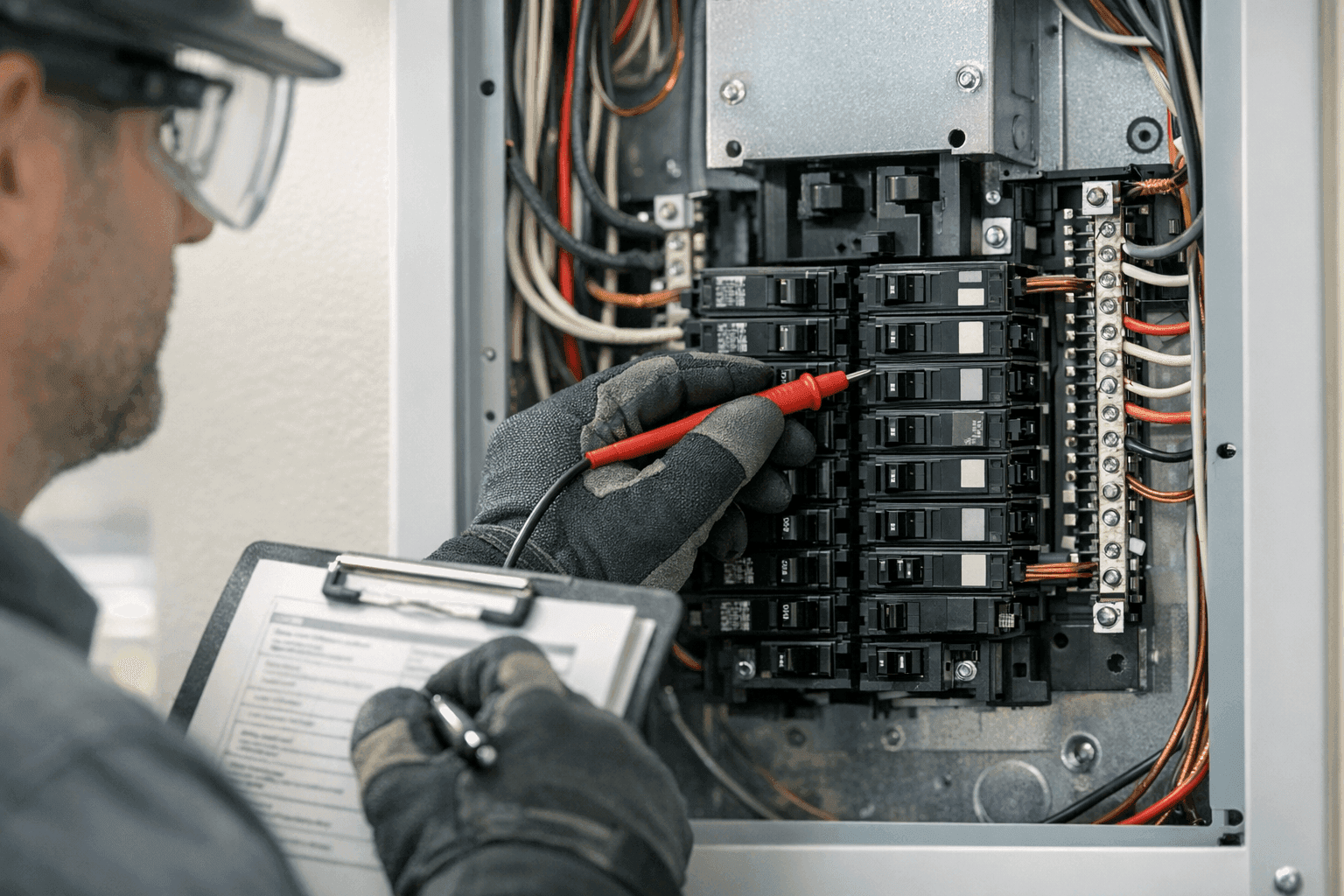
We get it—keeping up with electrical codes isn’t anyone’s idea of fun. But ignoring them? That’s like playing Jenga with your home’s safety. One loose piece, and everything can tumble.
At Angelic Electric, we’ve seen firsthand how tiny mistakes—an unlabeled panel, a skipped permit, a missing GFCI—can turn into big headaches. Here’s what every homeowner should know about staying on the right side of the code (and why it matters more than you might think).
Why Electrical Code Compliance Matters
Think of the National Electrical Code (NEC) as the rulebook for your home’s wiring. It’s not just about passing inspection. It’s about protecting your home from preventable dangers—like shocks, fires, and insurance nightmares.
If you’re planning renovations, selling, or just want peace of mind, understanding code basics is the first step toward a safer home.
The Essentials: What the Code Says
Let’s break down the big-ticket items all homeowners should watch for:
- GFCI Outlets: Required in kitchens, bathrooms, laundry rooms, garages, and outdoor areas. They help prevent shocks where water’s nearby.
- AFCI Protection: These circuit breakers or outlets detect dangerous electrical arcs, stopping fires before they start. Most modern bedrooms and living areas need them.
- Panel Labeling: Every circuit in your electrical panel must be clearly labeled. Imagine a blackout—would you know which breaker to flip?
- Wire Sizing: Wires are like highways for electricity. Too small, and you risk overheating and fire. The code sets strict rules based on the circuit’s load.
- Permits: Any major electrical work—like rewiring, new circuits, or installing a panel—needs a permit. It’s not just red tape. It’s a safety net, ensuring work is checked by a trained inspector.
How Non-Compliance Can Cost You
Skipping code isn’t just a technical foul. Here’s what’s at stake:
- Home Insurance: Insurers can deny claims if an electrical fire traces back to unpermitted or non-code work.
- Resale Value: Home inspectors flag code violations. That can scare off buyers or force you into costly last-minute repairs.
- Safety Risks: The biggest risk is invisible. Faulty wiring can spark fires or deliver life-altering shocks.
Quick Home Electrical Safety Checklist ⚡
Want to spot trouble before it starts? Run through this list every few months:
- Test GFCI and AFCI outlets with their built-in buttons.
- Peek inside your panel. Are circuits labeled?
- Check for extension cords running under rugs (never safe!).
- Look for outlets or switches that feel warm, buzz, or spark.
- Watch for flickering lights or frequent breaker trips.
If anything seems off, don’t ignore it. Small clues often point to bigger issues.
DIY vs. Calling an Electrician
Some things—like swapping a lightbulb or resetting a breaker—are safe for most homeowners. But electrical code issues? That’s different.
Think of it like dental work. You wouldn’t fill your own cavity with hardware store glue. The same goes for wiring. Even a simple outlet swap can go wrong if you don’t understand the code, and mistakes may only show themselves when it’s too late.
What to Expect When a Pro Arrives
A licensed electrician—like the team at Angelic Electric—knows exactly where to look. Here’s what we typically do during an Electrical Safety Inspection:
- Review your electrical panel for outdated or overloaded circuits.
- Test outlets, switches, and GFCI/AFCI devices.
- Check wire sizes and connections for overheating or damage.
- Inspect grounding and surge protection.
- Look for signs of DIY work that skips code rules.
We’ll explain what’s safe, what’s not, and what needs fixing—no scare tactics.
Spotting Common Code Violations
Not sure what’s normal and what’s not? Here are frequent trouble spots:
- Missing GFCI/AFCI protection in required rooms.
- Double-tapped breakers (two wires under one screw).
- Improperly spliced wires hidden behind walls or ceilings.
- No permit or inspection for recent upgrades or rewiring.
- Overfused circuits—using a bigger breaker than the wire is rated to handle.
If you spot any of these, it’s time for a professional checkup.
Why Permits and Inspections Matter
Permits and inspections aren’t just paperwork. They’re proof your home meets safety standards. If you skip them, you could face:
- Fines from local authorities.
- Insurance headaches if something goes wrong.
- Unexpected costs if you ever sell or refinance your home.
Always ask for documentation—like Certificates of Compliance—when work wraps up. They’re as important as a receipt for a big appliance.
The Hidden Dangers of Outdated Wiring
Older homes have their charm, but their wiring can be a ticking time bomb. Cloth-wrapped wires, aluminum circuits, or ancient fuse panels all signal risk. These systems weren’t built for today’s loads—think microwaves, home theaters, or EV chargers.
If your home is more than 40 years old, consider a full inspection. Sometimes, rewiring is the safest path forward.
Timeline and Disruption: What to Expect
Worried about chaos? Most code corrections are fast and tidy. Swapping outlets or breakers often takes less than an hour. Full panel upgrades or rewiring can take a few days, depending on your home’s size and age.
We always work to minimize disruption—keeping power off in small sections, not your whole house.
Electrical Code and Home Insurance
Insurance adjusters don’t mess around. After a fire or electrical mishap, they’ll check for code compliance before paying out. Violations can leave you holding the bag.
Keep records of any upgrades, inspections, or Certificates you receive. They’re your protection if the worst happens.
Seasonal Tips for Electrical Safety
Each season adds new risks:
- Winter: Space heaters and holiday lights boost demand. Check circuits and use surge protection.
- Spring: Wet weather and outdoor projects mean GFCIs matter more than ever.
- Summer: Pools, spas, and air conditioners need dedicated, code-compliant circuits.
- Fall: Time to test smoke and carbon monoxide detectors and review panel labeling before storm season.
When It’s an Emergency
If you smell burning plastic, see smoke, or lose power to half your house, don’t wait. Shut off the main breaker and call for emergency service. Fast action can prevent disaster.
For 24-hour help, our electrical-safety-inspections team is always ready.
FAQs: Your Electrical Code Questions Answered
Q: How often should my electrical system be inspected?
A: Every 3–5 years, or before selling or buying a home. More often for older homes.
Q: What’s the difference between GFCI and AFCI?
A: GFCI protects against shocks, especially around water. AFCI detects arc faults that cause fires.
Q: Can I label my own panel?
A: Yes, but only if you’re 100% sure what each breaker controls. If not, ask an electrician.
Q: Do I need a permit for a ceiling fan or light fixture?
A: Sometimes—rules vary by city. Always check your local building department.
Prevention & Maintenance: Stay Ahead of Trouble
Like changing the oil in your car, regular electrical checkups save money and stress. Schedule periodic inspections. Test your detectors and outlets. Never ignore warning signs.
For those in Spokane, we offer thorough Electrical Safety Inspections that catch issues before they become emergencies.
The Takeaway: Don’t Gamble With Your Home’s Safety
Electrical code isn’t just about rules—it’s about keeping your family, your home, and your investment safe. Don’t wait for a close call to pay attention.
Whether you need help spotting code violations, want peace of mind before a remodel, or just need a friendly pro to answer your questions, we’re here to help.
Call Angelic Electric now — or reach us anytime at 844-440-1817 .