Understanding Electrical Maintenance: How Regular Service Prevents Hazards
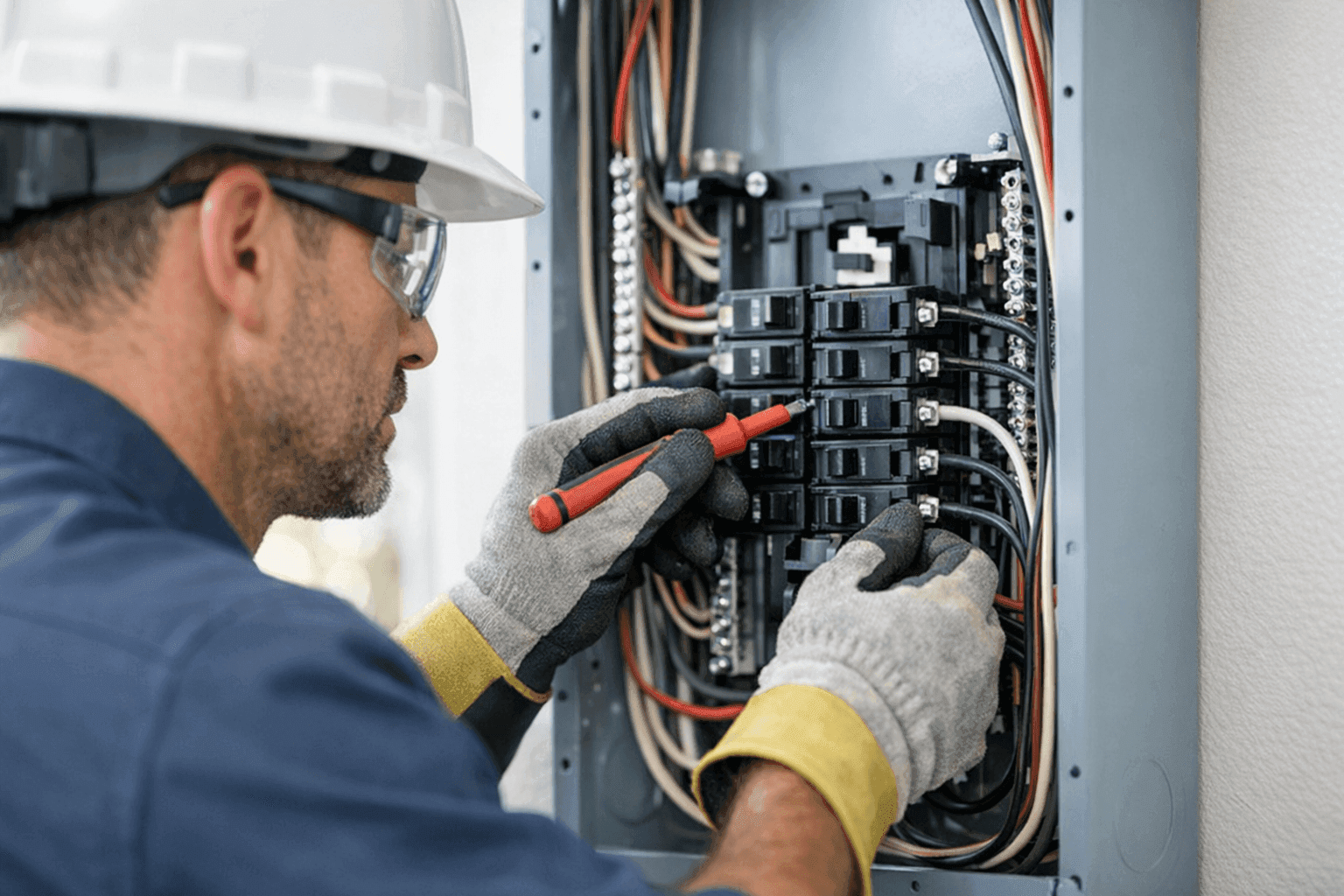
Is your home’s electrical system quietly working overtime? Most days, you don’t give it a second thought. Flip a switch, plug in a device—everything just works. But behind your walls, wires and circuits carry power day and night. And if something goes wrong, the results can be serious.
At Angelic Electric, we know the risk and know how to prevent it. That’s why regular electrical maintenance isn’t just smart—it’s essential.
What Is Electrical Maintenance for Homeowners?
Think of electrical maintenance like a health checkup for your home. It’s a routine process where an electrician visually inspects, tests, cleans, and sometimes replaces parts of your electrical system. The goal? To catch small issues before they grow into dangerous or expensive problems.
Professional maintenance covers everything from outlets and switches to panels, surge protectors, smoke detectors, and more. The National Fire Protection Association (NFPA) and the National Electrical Code (NEC) both recommend regular inspections to ensure safety and compliance.
Why Regular Maintenance Matters: The Real Risks
Most electrical problems start out small. A loose wire. A worn-out breaker. Corrosion you can’t see. But left unchecked, these minor issues can lead to major hazards:
- Fires: Faulty wiring and overloaded circuits are a leading cause of house fires.
- Shocks: Damaged outlets and switches can expose you or your family to electrical shock.
- Outages: Unexpected blackouts, flickering lights, or tripped breakers can signal deeper problems.
Routine service means catching these risks early—before disaster strikes.
Your Electrical Safety Checklist 🛠️
A thorough electrical maintenance visit covers several areas in your home. Here’s what a typical Angelic Electric service might include:
- Panel Inspection: Checking for signs of overheating, corrosion, or loose connections.
- Outlet & Switch Testing: Ensuring safe operation, tight fit, and no discoloration or buzzing.
- Smoke & Carbon Monoxide Detector Checks: Testing alarms, replacing batteries, and confirming sensor function.
- Surge Protector Review: Verifying protection status and replacing outdated units.
- Wiring & Circuit Examination: Looking for frayed wires, exposed conductors, or rodent damage.
- Lighting Assessment: Checking fixtures for secure wiring and proper operation.
- Ground Fault Circuit Interrupter (GFCI) Testing: Especially for bathrooms, kitchens, and outdoor outlets.
- Backup Generator Inspection: Making sure emergency systems are ready if you need them.
Common Signs of Trouble
How do you know when your home needs electrical maintenance? Watch for these warning signs:
- Flickering or dimming lights
- Outlets or switches that are warm to the touch
- Frequent tripped breakers or blown fuses
- Burning smells near outlets or panels
- Buzzing sounds from electrical components
- Outlets that don’t work or spark
If you spot any of these, call an electrician immediately. Don’t wait—small problems can escalate fast.
The Hidden Cost Savings of Regular Tune-Ups
Preventive maintenance isn’t just about safety—it’s also about saving money. A routine checkup can reveal tiny issues that, if ignored, could cost thousands in repairs. Think of it like keeping your car’s oil changed; a little time and investment now keeps things running smoothly for years.
- Lower repair bills: Fixing minor faults is cheaper than emergency repairs.
- Fewer outages: Reliable power means less disruption to your daily life.
- Better efficiency: Well-maintained systems run more efficiently, keeping your energy bills in check.
- Insurance benefits: Some insurance providers offer discounts for homes with up-to-date electrical inspections.
Professional Maintenance vs. DIY: Why It Matters
It’s tempting to tackle small electrical jobs yourself. Swap an outlet cover, change a lightbulb—no problem. But when it comes to inspection and maintenance, it’s a whole different story.
Electricians have the training to spot hidden hazards. We know what to look for inside panels, behind walls, and at connection points. Plus, we adhere to state and national codes to keep your home safe and up to date.
DIY electrical work often skips critical steps—like torque checks on connections or thermal scanning for hot spots. Worse, it can void warranties or put your insurance coverage at risk.
What To Expect When a Pro Arrives
When you schedule a maintenance visit with Angelic Electric, here’s what you can expect:
- Walkthrough & Questions: We start by asking about any trouble spots or recent changes.
- Visual Inspection: Checking panels, outlets, and visible wiring for obvious issues.
- Testing & Diagnostics: Using specialized tools to measure voltage, resistance, and current.
- Component Cleaning: Removing dust or corrosion from panels and outlets.
- Replacement & Repair: Swapping out worn parts or tightening loose connections.
- Safety Reporting: Providing a summary of findings and recommending any follow-up work.
You’ll get a clear, easy-to-understand report—no jargon, just real answers.
Prevention & Peace of Mind: How Maintenance Keeps Hazards Away
Routine electrical maintenance is like installing a safety net in your home. Each checkup adds a layer of protection against the unexpected. It’s not just about preventing fires or shocks; it’s about preserving your peace of mind.
- Peace of mind: Knowing your family and home are safe
- Longer equipment life: Your appliances and electronics last longer
- Fewer surprises: No more unexpected outages or costly emergencies
When Is It Time for Emergency Service?
Sometimes, you can’t wait for your annual maintenance check. Call an electrician right away if:
- You see smoke or sparks coming from outlets or panels
- You smell burning plastic or wiring
- Power goes out in part or all of your home and won’t reset
- You hear loud buzzing from your breaker box
Don’t risk your safety. Immediate action can save lives.
How Often Should Maintenance Be Done?
The International Association of Electrical Inspectors (IAEI) recommends a full inspection of residential electrical systems every 3–5 years. Older homes (over 40 years) or homes with heavy appliance loads may need more frequent checkups.
After major renovations, always schedule a safety inspection. And don’t forget seasonal maintenance before harsh weather or high-usage seasons.
Choosing the Right Electrician for Maintenance
Not all electricians are created equal. When hiring for electrical maintenance, look for:
- Licensing and insurance: Always ask for proof.
- Reputation: Check unbiased reviews and request references.
- Experience: Especially with homes similar to yours.
- Clear pricing: Get a written estimate before work begins.
- Communication: You want someone who explains things in plain language.
Angelic Electric’s team is trained, insured, and committed to safety. We bring the right tools, the right attitude, and a dedication to getting the job done right.
Seasonal Electrical Maintenance: Timing Matters
Different seasons bring different electrical challenges. In the winter, heating systems and holiday lights strain your circuits. Summer means more AC and outdoor equipment. Spring and fall are the perfect times for preventive tune-ups. Adjust your maintenance schedule to match your household’s needs.
The Most Common Mistakes Homeowners Make
- Ignoring warning signs: Flickering lights and buzzing outlets aren’t “normal.”
- Overloading circuits: Using too many devices on one outlet can cause overheating.
- Skipping inspections: Out of sight shouldn’t mean out of mind.
- Improper DIY repairs: Swapping parts without proper knowledge can make things worse.
Stay proactive. A little attention goes a long way.
Materials and Equipment Pros Use
Licensed electricians use specialized gear to ensure accuracy and safety:
- Insulated tools for all repairs
- Voltage testers and multimeters
- Infrared cameras for hot spot detection
- Torque screwdrivers for precise connections
- Proper protective equipment
These tools help us find issues you can’t see and fix them right the first time.
Frequently Asked Questions
Q: How long does a typical maintenance visit take?
A: Most residential maintenance visits last 1–2 hours, depending on your home’s size and needs.
Q: Will maintenance disrupt my daily routine?
A: Minimal disruption. We work quickly and cleanly, keeping power interruptions brief.
Q: Can I schedule service after hours?
A: Yes! We offer 24-hour service for urgent issues, so you’re covered anytime.
Q: How do I know if my home is due for an inspection?
A: If it’s been more than three years, or you’ve noticed any warning signs, schedule a checkup soon.
Ready for Peace of Mind? Take the Next Step
Regular maintenance is the best way to protect your home and family. Don’t wait for a problem to appear—schedule a visit from Angelic Electric and enjoy the peace of mind you deserve.
For more on Residential Services or Electrical Safety Inspections, visit our service pages. If you’re looking for a trusted electrician company in your area, see our full list of electrician services in our dedicated electrician company page for Portland.
Call Angelic Electric now — or reach us anytime at 844-440-1817 .