Electrical Wiring Materials: Comparing Copper, Aluminum, and More
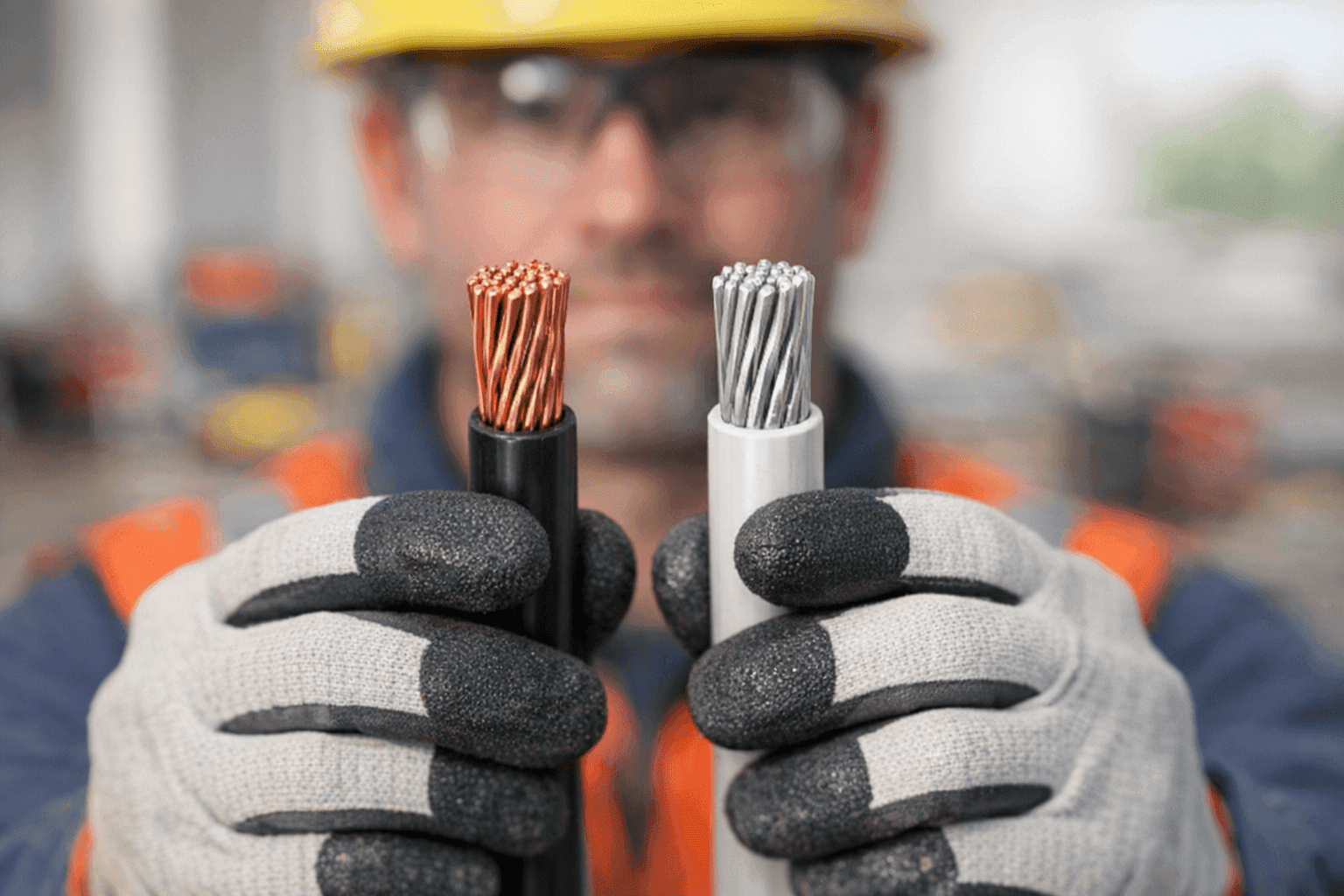
Why Choosing the Right Wiring Material Matters
Picture your home like a living body. The electrical wiring? It's the veins carrying energy everywhere it’s needed. If something goes wrong, the whole system is at risk. Outdated or unsafe wiring is more than just a technical problem—it can mean flickering lights, failed appliances, or even fire hazards. That’s a big deal for any homeowner.
At Angelic Electric, we know the decisions you make about wiring materials today echo for decades. Let’s break down the most common types, so you can see what’s running behind your walls.
Copper Wiring: The Gold Standard
Copper is the classic hero of electrical wiring. It’s been the backbone of safe, reliable homes for generations.
- Excellent conductor: Like a superhighway for electricity—fast, efficient, and dependable.
- Flexible and strong: Easy to bend without breaking, less likely to snap under pressure.
- Resistant to corrosion: Copper doesn’t rust, so it stays safe much longer.
If your home was built or rewired in the last thirty years, there’s a good chance copper is keeping your lights on. The upfront cost is higher than some alternatives, but copper’s longevity means fewer headaches down the road.
Aluminum Wiring: Risks and Realities
Aluminum wiring was popular in many homes built between the mid-1960s and late 1970s. Why? It was cheaper when copper prices soared. But cheaper doesn’t always mean better.
- Less efficient: Aluminum conducts electricity, but not as well as copper.
- Expansion and contraction: Aluminum moves more with temperature changes—think of it like a road that buckles in summer heat, loosening connections over time.
- Oxidation risk: When exposed to air, aluminum forms a brittle oxide layer—a bit like the crust on stale bread—that can cause wires to overheat.
Warning signs: Flickering lights, warm outlets, or discolored wall plates can be red flags if you have aluminum wiring. These are not just annoyances—they’re fire hazards.
Specialty Options: When to Use Something Different
Not every wire is copper or aluminum. Sometimes, specialty materials make sense:
- Tinned copper: Copper coated with tin—perfect for damp or coastal areas where corrosion is a real threat.
- Silver alloy: Rare and pricey, but unbeatable for unique, high-performance needs.
- Low voltage wiring: Used for things like doorbells, intercoms, or landscape lighting. These often use thinner copper or specialty alloys.
If you’re planning new home automation, pool & spa electrical, or advanced Wiring & Circuits, we’ll match the material to the job.
Where Each Material Belongs
- Copper: Best for outlets & switches, lighting, panels & breakers, major appliances, and all new installations.
- Aluminum: Sometimes found in older homes’ branch circuits or heavy-duty applications (like large service entrance cables). Rarely used in new residential wiring.
- Specialty wires: Reserved for unique environments (wet locations, high heat, or low-voltage systems).
Quick Safety Checklist ⚡
- Are outlets or switches hot to the touch?
- Do you notice a burning smell, or see discolored cover plates?
- Are your circuit breakers tripping more than they used to?
- Was your home built before 1980?
If you answered yes to any, it’s time for a professional safety inspection. It’s not just about comfort—it’s about protecting your home and your family.
What Electricians Look For On Arrival
When you call an electrician for rewiring or inspection, here’s what happens:
- Visual inspection: Looking for signs of wear, outdated materials, or unsafe connections.
- Testing: Ensuring wires are carrying the right current and aren’t overheating.
- Code compliance: Verifying everything meets the latest National Electrical Code (NEC) requirements.
- Upgrade recommendations: Pointing out where new copper wiring or safer connections are needed.
DIY vs. Calling a Pro
Electrical work isn’t like changing a lightbulb. One wrong move can lead to shocks, fires, or unseen hazards lurking in your walls. While it’s tempting to DIY, wiring is a job for a licensed electrician.
Some upgrades—like swapping out old aluminum for copper—require special connectors and experience. The risks aren’t worth it.
Prevention & Maintenance: Staying Ahead
- Schedule regular electrical safety inspections.
- Upgrade outdated wiring, even if nothing seems wrong.
- Install smoke & carbon monoxide detectors throughout your home.
- Ask your electrician about surge protection for sensitive electronics.
Following these steps means peace of mind, not just for you, but for everyone under your roof.
Costs & Time Factors: What to Expect
- Copper wiring: Higher upfront investment but fewer repairs and longer lifespan.
- Aluminum upgrades: Costs vary depending on how much needs to be replaced or adapted.
- Specialty wiring: Custom jobs or upgrades to support things like EV chargers or smart home systems may require additional planning.
A typical Electrical System Installation or major rewiring project can take several days, depending on the size and age of your home.
When It’s an Emergency
If you smell burning, see sparks, or lose power to critical systems, don’t wait. Turn off your main breaker and call for emergency service immediately. Electrical fires can start inside walls, hidden from view, and move quickly.
Common Mistakes Homeowners Make
- Ignoring flickering lights or warm outlets
- Overloading old circuits with modern electronics
- Using DIY fixes like tape instead of proper connectors
- Skipping regular safety inspections
Don’t let small problems turn into big disasters. Take action early.
Timeline & Disruption
Rewiring or upgrading your electrical system can feel like open-heart surgery for your house. Expect:
- Some wall openings or minor patching
- Power shutoffs for certain rooms or circuits
- Noise, dust, and a bit of controlled chaos
But with a professional electrician company, the process is streamlined and respectful of your time and space.
Signs Your Wiring Needs Attention
- Outlets that spark or buzz
- Lights that dim when appliances turn on
- Circuit breakers that trip repeatedly
- Odd smells or discoloration on outlets and switches
If you spot these signs, don’t wait—these are warning bells.
Code & Safety: What the Pros Know
All electrical wiring must meet current NEC standards and local codes. This isn’t just about passing inspection—it’s about ensuring your family’s safety, every day.
For more information on safe wiring materials and code requirements, see the National Fire Protection Association (NFPA) and the U.S. Consumer Product Safety Commission (CPSC) guidelines.
Upgrade Tips: Making the Switch Safely
- Never connect copper and aluminum directly. Special connectors are needed to prevent dangerous reactions.
- Plan upgrades in phases if budget is a concern—start with the most at-risk areas like kitchens and bedrooms.
- Label your panel and circuits so future work is faster and safer.
When in doubt, ask your electrician for a step-by-step plan. They’ll help you prioritize, with safety first.
FAQ: Your Wiring Questions Answered
Q: Is aluminum wiring illegal?
A: Not illegal, but not recommended for new homes. It must be installed and maintained to strict code.
Q: Can I upgrade just part of my wiring?
A: Yes, but always use proper connectors. Mixing metals without care is a major fire risk.
Q: How long does copper wiring last?
A: Properly installed, it can serve safely for 50 years or more.
Seasonal Considerations: Wiring and Weather
Extreme heat, cold, and humidity can stress any wiring. Have your system checked after major storms or before adding big new appliances like air conditioning.
For homeowners seeking an electrician for seasonal checkups or upgrades, local help is just a call away.
Final Thoughts: Don’t Gamble With Safety
Your wiring is easy to forget—until something goes wrong. Whether you’re upgrading outlets, rewiring an old home, or planning a new installation, choose materials that will serve you safely for years to come. Always work with a licensed electrician for peace of mind and code compliance.
Call Angelic Electric now — or reach us anytime at 844-440-1817 .