Home Electrical Inspections: What to Expect and Why They Matter
When was the last time you peeked behind your light switch or thought about what’s happening inside your walls? For most of us, the wiring in our homes is out of sight and—often—out of mind. But problems can build quietly, turning a safe space into a risk zone almost overnight.
At Angelic Electric, we know life is busy. But a thorough electrical inspection isn’t just another box to tick—it’s the best way to protect your family, your investment, and your peace of mind. Let’s pull back the curtain on what a real inspection looks like, and why it matters more than ever.
What Is a Home Electrical Inspection?
A home electrical inspection is like a checkup for your house’s nervous system. An electrician examines your wiring, outlets, panels, and safety systems to spot issues before they spark into something bigger. It’s about prevention, not panic.
During an inspection, every major and minor detail is reviewed—from Outlets & Switches near you to the ground wires tucked into your breaker box. The goal? Make sure everything meets the National Electrical Code (NEC) and local guidelines.
Why Electrical Inspections Matter for Every Homeowner ⚡
Think of electricity as the lifeblood of modern living. But just like you wouldn’t ignore a high fever, you shouldn’t overlook flickering lights or buzzing outlets. Electrical fires are a leading cause of home damage, according to the National Fire Protection Association (NFPA). Regular inspections help catch warning signs—before they become emergencies.
Beyond safety, a professional inspection can:
- Uncover hidden hazards behind walls or ceilings
- Ensure your home is up to date with current codes
- Satisfy insurance requirements (and sometimes lower premiums)
- Provide critical documentation for home sales or upgrades
The First Step: Visual Checks and Walkthrough
An inspection starts with a careful walkthrough. Your electrician looks for visible red flags—scorched outlets, loose switches, or tangled cords. It’s a bit like searching for clues in a mystery novel. Small things can point to bigger problems behind the scenes.
You might see your electrician:
- Peeking behind outlet covers
- Inspecting light fixtures and ceiling fans
- Checking for signs of moisture or corrosion
- Assessing the condition of cords and plugs
This first look sets the stage for deeper testing.
Testing Outlets, Switches, and Safety Devices
Next comes hands-on testing. Electricians use tools like voltage testers and receptacle analyzers to check that each outlet and switch is functioning safely. They’ll confirm that:
- Outlets aren’t overheating
- GFCIs (Ground Fault Circuit Interrupters) trip as intended
- AFCIs (Arc Fault Circuit Interrupters) catch dangerous arcs
- Switches actually cut power and aren’t just decorative
Any outlet near water—bathrooms, kitchens, laundry rooms—gets special attention. These areas are notorious for electrical mishaps.
The Panel and Breakers: Your Home’s Electrical Heart
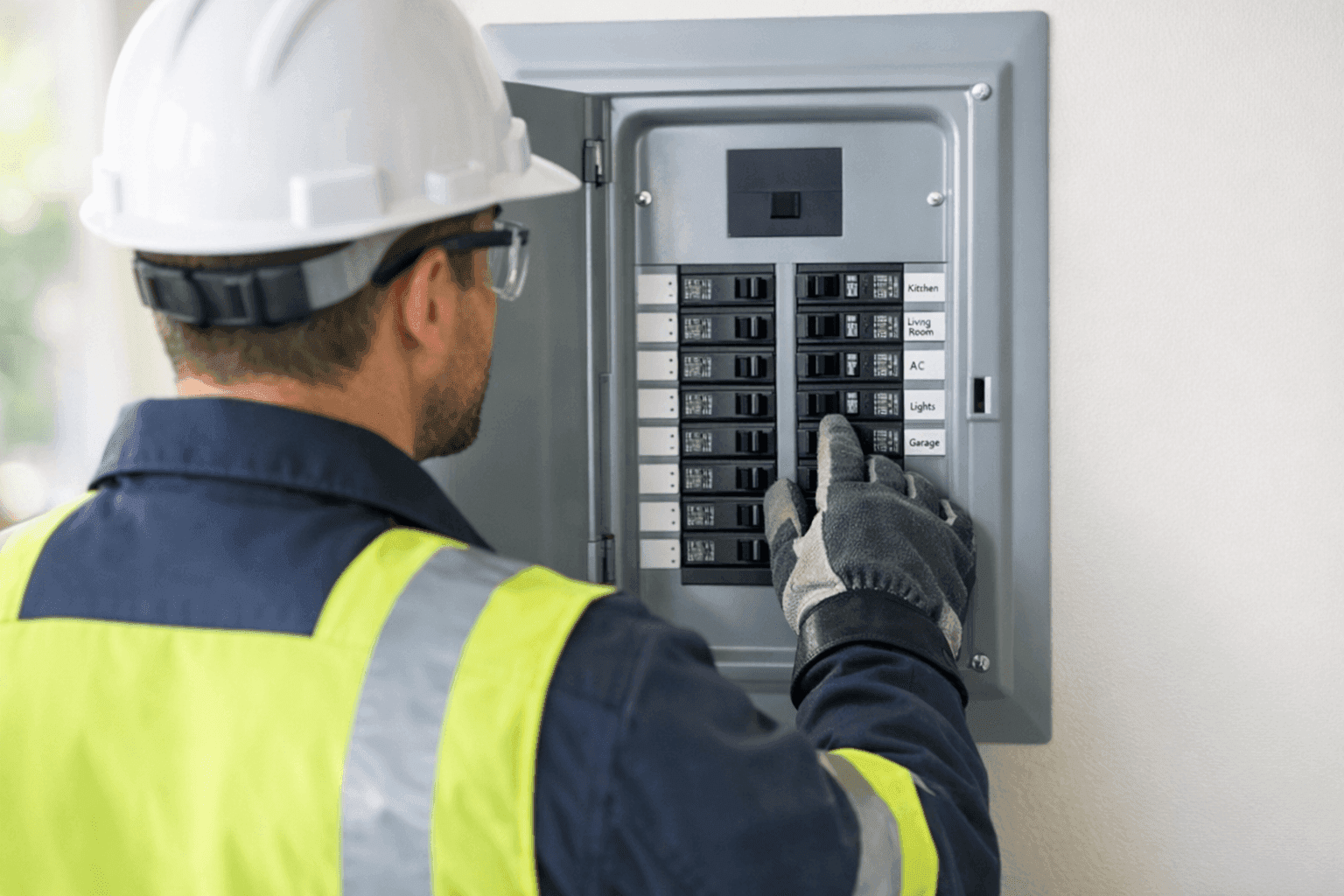
Your electrical panel is the command center. During an inspection, your electrician will:
- Remove the panel cover and look for signs of arcing or scorching
- Check for correct breaker sizes and labeling
- Test grounding and bonding connections
- Look for double-tapped breakers or outdated fuses
Breakers that trip too easily or not at all can be a sign of lurking danger.
Code Compliance Review: Meeting the Standard
Every inspection includes a thorough code compliance review. The NEC sets the gold standard for residential electrical safety. Your electrician will compare your setup to the latest guidelines, flagging any:
- Outdated wiring (like knob-and-tube or aluminum)
- Missing GFCI or AFCI protection
- Improper grounding or bonding
- Overcrowded junction boxes
Staying up to code isn’t just about following rules—it’s about keeping your home and loved ones safe.
How Inspectors Document Their Findings
After the hands-on review, your electrician will prepare a detailed report. This isn’t just a checklist. It’s a roadmap to a safer home.
Expect clear notes and recommendations, including:
- Photos of any problem areas
- A list of repairs or upgrades needed
- Safety risks ranked by urgency
- Confirmation of code compliance—or what’s needed to achieve it
If you need Certificates for insurance or resale, your report provides essential proof.
What Inspectors Look For (And Why)
Curious about the main trouble spots? Here’s what gets extra scrutiny:
- Wiring: Frayed wires, outdated materials, or amateur repairs
- Breakers: Overloaded circuits or signs of heat damage
- GFCIs: Proper installation and correct operation
- Grounding: Ensures excess electricity is safely discharged
- Smoke & Carbon Monoxide Detectors: Placement and battery health
Each issue is like a loose thread—if ignored, it can unravel the fabric of your home’s safety.
Signs You Need an Inspection—Now
Not sure if it’s time to call in an electrician? Watch for these red flags:
- Frequent breaker trips
- Flickering or dimming lights
- Buzzing sounds from outlets or switches
- Burning smells, especially near panels or sockets
- Outlets that feel warm to the touch
If any of these sound familiar, don’t wait. Safety can’t be postponed.
When to Schedule an Electrical Inspection
Certain moments call for a professional look:
- Before buying or selling a home: Inspections can save you from expensive surprises
- After major renovations: Ensure new work meets code
- Every 3-5 years: Routine checks catch wear and tear early
- After storm damage or flooding: Water and wiring are a dangerous mix
Regular inspections are like oil changes for your house—they keep things running smoothly.
DIY Safety Checks vs. Calling a Pro
You can keep an eye out for obvious problems, but a true inspection requires specialized tools and training. Imagine trying to diagnose a car engine with just a flashlight. When it comes to electricity, shortcuts can be risky.
- DIY: Check for visible damage, test smoke detectors, reset GFCIs
- Pro: Test voltage, inspect inside panels, verify grounding, review code compliance
For anything beyond the basics, let a licensed electrician take the lead.
What to Expect When the Electrician Arrives
A good electrician is part detective, part doctor. When we show up, you can expect:
- Clear explanations of each step
- Respect for your home and privacy
- Use of safe, up-to-date tools
- A focus on finding—not just fixing—problems
We’ll answer your questions and walk you through any findings, so you’re never left in the dark.
How Long Will an Inspection Take? Will It Disrupt My Day?
Most standard inspections wrap up in two to three hours, depending on your home’s size and complexity. We work efficiently and keep disruption to a minimum. If repairs are needed, we’ll outline the next steps and timing—no surprises.
Insurance, Documentation, and Certificates
Insurance companies often require proof that your electrical system is safe and up to code. A professional inspection gives you that documentation. It can also help if you’re applying for Certificates or planning to sell your home.
Some insurers even offer discounts for homes with updated electrical systems—another reason inspections pay off.
Electrical Safety for New Home Buyers
Buying a home is exciting—but hidden electrical issues can turn a dream into a costly headache. Always request an inspection before signing. If you’re in the market, ask for the electrical report and review it with your agent or a trusted electrician.
A thorough electrical inspection shows what lies beneath the surface, helping you make a smart investment.
Maintenance: Prevention Beats Cure
Like changing your furnace filter or cleaning gutters, regular electrical inspections are part of responsible homeownership. Early detection means small fixes—not big emergencies. Schedule periodic checks, especially in older homes, and rest easier knowing you’re ahead of the curve.
What Sets Angelic Electric Apart
We don’t just check boxes. We look for the stories your wiring tells, and we explain what it means in clear, simple language. From Electrical Safety Inspections to full Residential Services, our team is here to help you keep your home bright, safe, and up to date.
If you’re looking for a trusted electrician company for your next project or inspection, our team is ready to assist. We also proudly serve Whitney and you can learn more about our work as an electrician company.
Frequently Asked Questions
Q: How often should I get an electrical inspection?
A: Every 3-5 years, or whenever you notice symptoms like flickering lights, tripped breakers, or after a major renovation.
Q: Will an inspection damage my walls or fixtures?
A: No—inspections are non-invasive. We only open panels or covers as needed.
Q: Can you fix issues on the same day?
A: Many repairs can be handled right away, but complex fixes may require a follow-up visit.
Q: Are there legal requirements for inspections?
A: Local codes often require inspections before selling, after renovations, or for insurance. Check your city’s guidelines or ask our team.
Ready to Schedule? Safety Starts with One Call
Don’t wait for a warning sign. An electrical inspection today could stop tomorrow’s disaster. For questions, scheduling, or friendly advice, reach out to Angelic Electric.
Call Angelic Electric now — or reach us anytime at 844-440-1817 .