The Homeowner’s Guide to Electrical Panel Upgrades
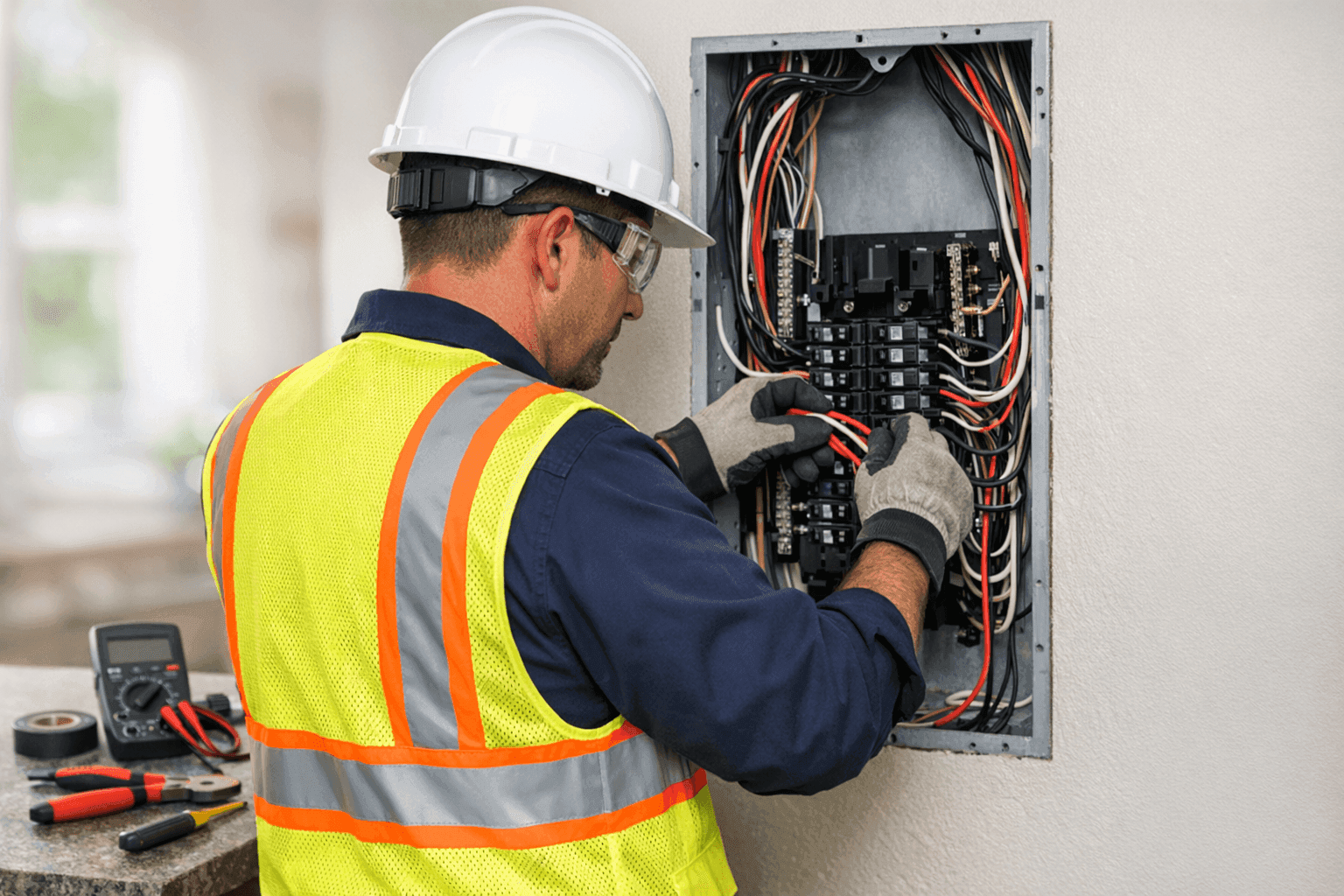
Is your home’s electrical panel quietly crying for help? Most people don’t think about it—until the lights flicker, breakers trip, or that new appliance just won’t run. You want your family safe and your home reliable. That means your panel can’t be left in the dark ages.
At Angelic Electric, we help homeowners just like you make sense of what’s humming behind those panel doors. Let’s break down the why, when, and how of upgrading—so you can sleep easy tonight.
Signs Your Panel Needs Upgrading ⚠️
Imagine your electrical panel as the traffic cop of your house. When it’s overworked, you’ll see the warning signs:
- Frequent breaker trips: Like a referee calling foul—if it’s happening often, there’s a problem.
- Flickering or dimming lights: Your panel may be struggling to keep up.
- Acrid smells or burn marks: Any smell of burning plastic or visible scorching is a red alert.
- Buzzing or crackling noises: Panels should hum quietly—not sing.
- Outdated fuse system: If you still have screw-in fuses, it’s time for a change.
- Warmth to the touch: A healthy panel shouldn’t feel hot.
Even if you just added a new appliance or EV charger and suddenly your breakers can’t keep up, that’s your panel waving a white flag. Don’t ignore these clues—they’re your home’s way of asking for help.
Risks of Outdated Panels
An old panel isn’t just inconvenient. It can be dangerous. Here’s why:
- Fire Hazard: According to the National Fire Protection Association (NFPA), electrical issues are a leading cause of home fires.
- Shock Risk: Failing insulation or loose connections can expose you to dangerous shocks.
- Insurance headaches: Many insurers refuse coverage for homes with old fuse boxes or recalled panels (like certain Federal Pacific or Zinsco models).
- Code violations: Outdated panels often don’t meet today’s safety standards, such as NEC 2023.
Think of your panel as the backbone of your home’s power system. When it’s weak, everything downstream is at risk.
What’s Involved in a Panel Upgrade
Panel upgrades are not a weekend DIY project—this is where professional help is essential. Here’s what the process typically looks like:
- Assessment: Your electrician will inspect your current panel, wiring, and load requirements.
- Permits: Local codes require permits and inspections. Skipping this step can lead to fines or insurance issues.
- Power shutdown: For everyone’s safety, your power is turned off before work begins.
- Old panel removal: Out with the old; careful disconnection of circuits and safe removal.
- New panel installation: The new panel is mounted, wired, and labeled. All connections are checked for safety and compliance.
- Inspection: A city or county inspector reviews the work, making sure everything’s up to code.
- Power restoration: Lights back on—safer and more reliable than ever.
Throughout, your electrician will discuss panel locations, labeling, and any upgrades to Rewiring that may be necessary.
Benefits of Modern Electrical Panels
Upgrading your panel isn’t just about fixing problems; it’s about future-proofing your home.
- Extra capacity for today’s tech: Smart devices, kitchen gadgets, EV chargers, and more need modern power.
- Better safety features: New panels include arc fault and ground fault protection.
- Energy efficiency: Modern systems distribute electricity more smoothly, preventing wasted power.
- Increased home value: Buyers and inspectors look for up-to-date panels.
- Reliability: Fewer nuisance trips and power interruptions.
Think of it as getting a new smartphone: faster, smarter, and much more reliable.
Choosing the Right Size Panel
How big should your new panel be? It depends on your home and your plans:
- Square footage: Larger homes generally need bigger panels (200 amps is standard for many modern homes).
- Number of circuits: More circuits mean more flexibility for future additions.
- Major appliances: Hot tubs, EV chargers, and HVAC units may require dedicated circuits.
- Future plans: Thinking about a home addition or solar panels? Plan ahead.
Your electrician will calculate your home’s load using NEC guidelines to ensure you’re covered now and later.
Panel Upgrade Cost Factors
Panel upgrades aren’t one-size-fits-all. Here’s what affects the price:
- Panel size: 100-amp panels cost less than 200-amp panels.
- Panel location: Hard-to-reach panels take longer to replace.
- Wiring upgrades: Old or unsafe wiring may need replacement.
- Permits and inspections: Required by law in most areas.
- Additional services: If you need electrical system installation or surge protection, costs increase.
It’s an investment in your home’s safety and future. And the peace of mind? Priceless.
Quick Safety Checklist
Before you even think about touching your panel, keep these rules in mind:
- Never remove the panel cover unless you’re a licensed electrician.
- Look for visible signs of trouble (scorch marks, rust, loose breakers).
- If in doubt, call a professional for an assessment.
- Keep the area around your panel clear—easy access is vital in emergencies.
DIY vs. Call a Pro
Sure, you can change a lightbulb. But panel upgrades are a world apart. Why?
- Permits and code compliance: Required for legal and insurance reasons.
- Shock and fire risk: One mistake can be life-threatening.
- Warranty and resale: Only a qualified electrician can provide the documentation buyers and insurers want.
Save DIY for painting the living room. Let licensed professionals handle the high-voltage work.
What to Expect When the Pros Arrive
When Angelic Electric arrives, here’s our approach:
- Assess your current panel and circuits
- Discuss your household needs (now and future)
- Explain the process and timeline
- Obtain necessary permits and coordinate with inspectors
- Perform the upgrade with minimal disruption
We respect your home and your time—clean work, clear communication, and safety first.
Prevention & Maintenance Tips
A new panel is a great start. Keeping it in top shape is just as important:
- Schedule annual electrical safety inspections
- Test breakers twice a year
- Keep the panel area dry and well-lit
- Watch for rust or corrosion
- Label all circuits clearly
These simple steps go a long way in preventing problems before they start.
When It’s an Emergency
Some panel issues can’t wait:
- Burning smells
- Sparks or smoke
- Buzzing or crackling noises
- Breakers that won’t reset
If you notice any of these, shut off the main breaker (if safe to do so) and call for emergency service. Angelic Electric offers 24-hour help for urgent electrical issues.
Common Mistakes Homeowners Make
- Ignoring warning signs—hoping problems will go away
- Overloading circuits with power strips and adapters
- Attempting DIY fixes on the panel itself
- Failing to pull permits or schedule inspections
Avoid these pitfalls to keep your family and property safe.
Timeline & Disruption
A typical panel upgrade takes one full day. Here’s what to expect:
- Power will be off for several hours—plan ahead for food, pets, and work.
- Some noise and dust is normal, but we tidy up before leaving.
- Inspections may happen the same day or the next, depending on your municipality.
With good planning, disruption is kept to a minimum—and the results are worth it.
Materials and Equipment Used
- New panel (100, 150, or 200 amps)
- New breakers (including GFCI and AFCI as required by code)
- Copper or aluminum wiring (as needed)
- Proper labeling for every circuit
- Surge protection devices (highly recommended)
All materials and equipment meet or exceed National Electrical Code standards.
Frequently Asked Questions
How do I know if my panel is too small for my needs?
If you’re adding major appliances, experiencing frequent trips, or using too many extension cords, it’s time to assess.
Can I relocate my panel during an upgrade?
Yes, but it may require extra permits and cost. We’ll walk you through your options.
Are permits really necessary?
Absolutely. Permits and inspections protect you and ensure your home meets safety codes.
What brands of panels do you recommend?
We only use UL-listed brands that meet all safety and reliability standards.
Serving Your Neighborhood—and Beyond
No matter where you live, the right electrician can make all the difference in safeguarding your home. Angelic Electric is proud to help homeowners upgrade panels, rewire safely, and keep the power flowing—all with a focus on quality and code compliance.
Ready to Upgrade? Let’s Talk.
Your electrical panel is the heart of your home’s power. Don’t wait for the warning signs to become emergencies. Whether you need an inspection, a full upgrade, or just honest advice, we’re here to help.
Call Angelic Electric now — or reach us anytime at 844-440-1817 .