The Homeowner’s Checklist for Annual Electrical Safety
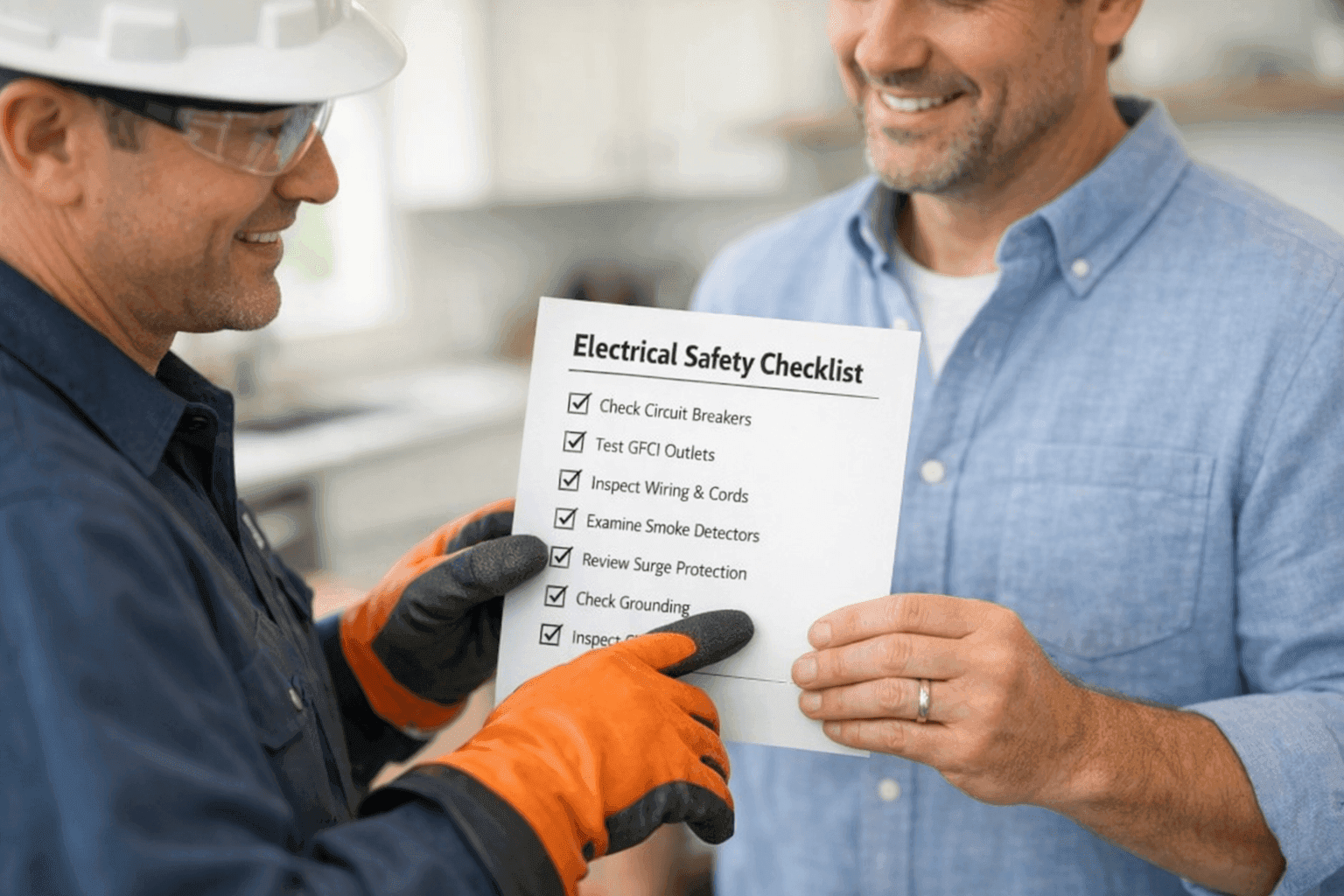
Is your home as safe as it should be? Electrical hazards aren’t always visible, but their consequences can be life-changing. At Angelic Electric, we know that most accidents are preventable—with the right steps, at the right time.
That’s why we’ve created this annual checklist for homeowners. It’s your roadmap to peace of mind, combining practical do-it-yourself checks with the professional guidance only a certified electrician can provide.
Annual Electrical Safety Tasks 🗓️
Every year, your home deserves a fresh look beneath the surface. Here’s what we recommend for every homeowner:
- Test smoke and carbon monoxide detectors. Press the “test” button monthly. Replace batteries at least once a year.
- Inspect all outlets & switches for heat or discoloration. Warmth or dark spots can signal trouble.
- Check visible cords and extension leads. Look for frays, nicks, or loose plugs.
- Test ground fault circuit interrupters (GFCIs). Press “test” then “reset”—they should trip and restore.
- Review your panel & breakers. Is the panel accessible and labeled? Any signs of rust or heat?
- Scan for flickering lights. They can be a warning of loose wiring or overloaded circuits.
- Listen for buzzing or crackling. Quiet isn’t just golden—it’s safe.
- Walk your home. Look for exposed wiring, missing cover plates, or overloaded outlets.
- Verify surge protection. Are protectors in good shape and properly connected?
- Observe your appliances. Do any spark, trip breakers, or run hotter than usual?
- Inspect outdoor outlets and fixtures. Weatherproofing matters—especially near pools or patios.
- Check your backup generator (if you have one). Run it briefly to confirm operation.
These tasks are more than chores—they’re your home’s annual health check.
Common Problem Areas
Some parts of your electrical system are more vulnerable than others. Like the weak links in a chain, these deserve extra attention:
- Kitchens and bathrooms. Water and electricity don’t mix. GFCIs are critical here.
- Older homes. Outdated wiring can’t always handle today’s loads.
- Basements and crawlspaces. Dampness and pests can compromise wiring.
- Garages and exterior outlets. Weather, dust, and critters can all cause trouble.
- Panels and breaker boxes. Overcrowded panels or double-tapped breakers are fire risks.
The National Fire Protection Association (NFPA) and Electrical Safety Foundation International (ESFI) both stress the importance of regular checks—especially where water, age, or wear come into play.
How to Use the Checklist
Think of this checklist as your yearly tune-up. Like changing the oil in your car, these steps protect your home’s “circulatory system.” Here’s how to make the most of it:
- Schedule a day. Pick a weekend when you’re not rushed.
- Go room by room. Start at the front door and move methodically.
- Take notes. Jot down anything unusual—smells, sounds, or sights.
- Don’t ignore small issues. Today’s flicker is tomorrow’s outage.
- Combine with professional Safety Checks. DIY is powerful, but some issues need a licensed hand.
By sticking to this routine, you prevent minor glitches from turning into major headaches.
Benefits of Professional Inspections
You wouldn’t fly a plane without a pilot. Why trust your home’s safety to guesswork?
- In-depth testing. Electricians use specialized equipment to spot hidden faults.
- Code compliance. Stay up-to-date with the latest National Electrical Code (NEC) standards.
- Peace of mind. Sleep easier knowing your home meets safety benchmarks.
- Insurance documentation. A professional inspection provides written proof for insurers or buyers.
A trained electrician sees what’s invisible to the untrained eye. That’s why annual electrical safety inspections are essential for every homeowner.
When to Schedule Repairs
Not every issue can wait. Here’s when you need help—fast:
- Burning smells or visible sparks. Shut off power and call an electrician immediately.
- Repeated breaker trips. This signals underlying overload or wiring issues.
- Buzzing or vibrating outlets. These are red flags for loose wiring.
- Water damage near electrical systems. Don’t take chances—moisture and electricity are a dangerous mix.
- Lights dimming when appliances run. This could point to circuit overload or panel trouble.
Waiting can make problems worse. If in doubt, reach out.
DIY vs. Call a Pro
Some tasks are safe for homeowners. Others? Best left to the professionals.
DIY-Safe:
- Testing detectors and GFCIs
- Checking cords and visible outlets
- Swapping out lightbulbs
Call Angelic Electric for:
- Rewiring or electrical upgrades
- Panel and breaker servicing
- Installing new outlets, switches, or ceiling fans
- Pool & spa electrical work
- High-voltage or machine wiring
When it comes to your home’s heart, don’t gamble. Electrical work is not a hobby.
What Pros Do On Arrival
Wondering what to expect during a service call? Here’s what our team brings to your door:
- Thorough inspection. We check every room, panel, and major appliance.
- Advanced diagnostics. Our tools reveal issues before they become emergencies.
- Clear explanations. We break down what needs fixing and why.
- Safety-first repairs. No shortcuts, ever.
We aim for minimal disruption—often, you can relax while we work.
Prevention & Maintenance: Your Best Defense
A little prevention is worth a pound of cure. Follow these habits all year:
- Don’t overload outlets or use “octopus” adapters.
- Replace worn cords and unplug unused devices.
- Keep your panel accessible—don’t block it with furniture or storage.
- Teach kids not to touch outlets or cords.
- Schedule yearly maintenance to keep your system strong.
Home electrical upkeep is like brushing your teeth—routine care prevents big problems.
Costs & Time Factors
Annual safety checks are affordable compared to emergency repairs. Most inspections take 1–2 hours, depending on your home’s size and age. Repairs vary—simple fixes might be immediate, but upgrades or rewiring may need follow-up.
Remember, investing now can save thousands (and much stress) down the road.
When It’s an Emergency
Sometimes, it can’t wait:
- Power loss in key areas
- Smoke or scorched outlets
- Shocks from switches or appliances
In these moments, don’t hesitate. Turn off power at the main breaker and call for emergency service.
FAQ: Home Electrical Safety
Q: How often should I test detectors?
A: Monthly. Replace batteries yearly.
Q: My lights flicker—is it dangerous?
A: Sometimes. If it’s persistent or widespread, call an electrician.
Q: Can I replace outlets myself?
A: Not recommended unless you’re trained. Mistakes can be hazardous.
Seasonal Considerations
Weather shifts mean different risks:
- Winter: Space heaters and holiday lights increase loads.
- Spring: Dampness can affect basements and exteriors.
- Summer: Outdoor activities mean more extension cords and pool equipment.
- Fall: Leaf blowers and yard work equipment add demands.
Adjust your checklist with the seasons for best results.
Common Mistakes to Avoid
- Ignoring warning signs like buzzing or burning
- Using indoor extension cords outside
- “Fixing” electrical issues with tape or DIY hacks
- Skipping annual checks
Cutting corners can endanger your home. Stay vigilant.
Signs of Trouble
Don’t wait for disaster. Call if you notice:
- Warm or discolored outlets
- Frequent breaker trips
- Unexplained power loss
- Persistent burning smells
Fast action can prevent damage and protect your family.
Timeline & Disruption
A professional inspection is usually non-invasive. Most homes are back to normal within hours. Larger repairs might require planning—but safety always comes first.
Materials & Equipment
Professional electricians use:
- Voltage testers and multimeters
- Outlet testers
- Infrared cameras for hot spots
- Ground resistance meters
Homeowners need only a keen eye, a notepad, and a willingness to act.
Your home’s safety is too important to leave to chance. Let Angelic Electric handle the details—so you can focus on what matters most.
Call Angelic Electric now — or reach us anytime at 844-440-1817 .