The Homeowner’s Guide to Electrical System Installation
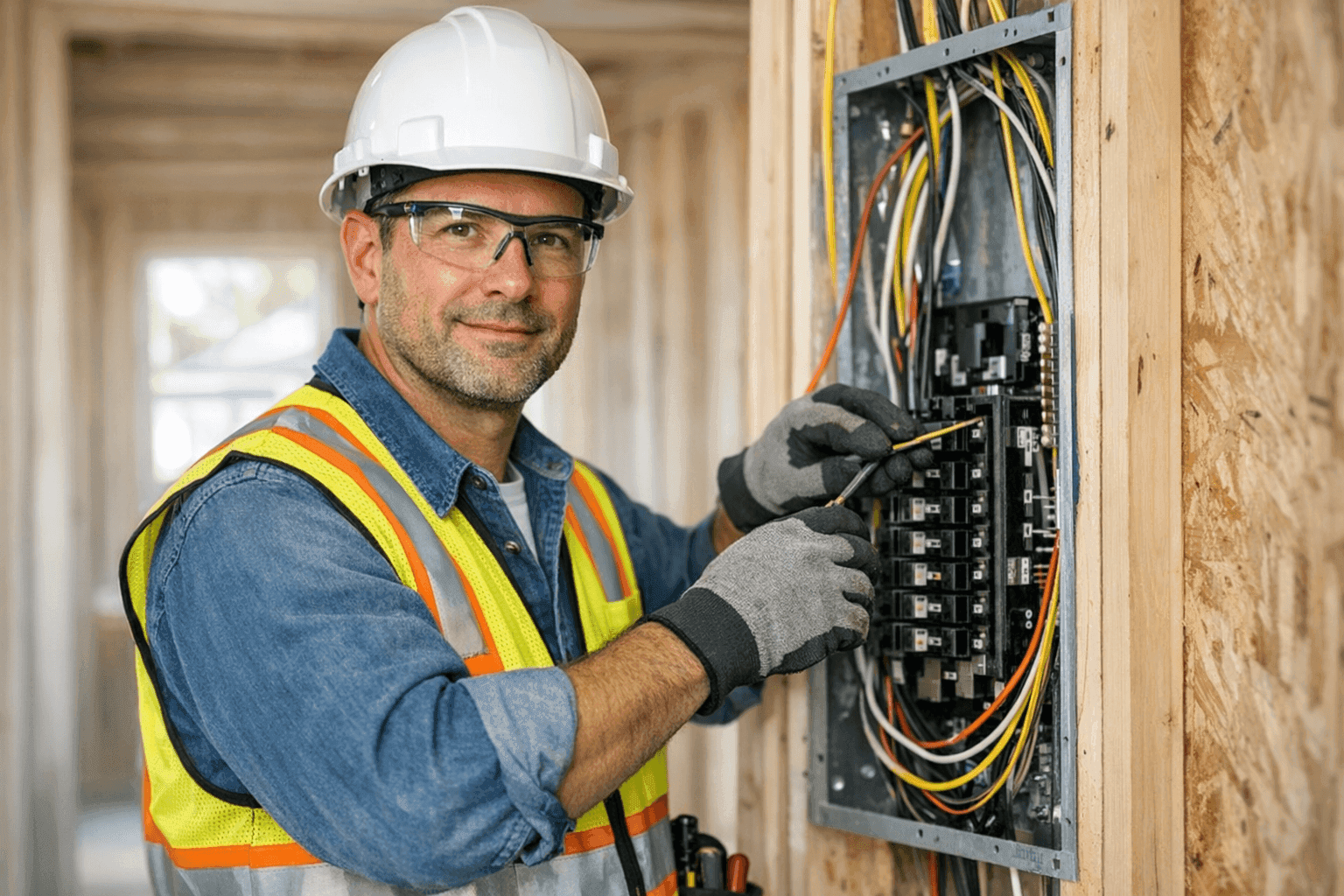
Is your home ready for the future—or are you still relying on the same old wiring that powered your parents' toaster? Electrical systems are the silent backbone of modern comfort, but upgrading or installing them can be overwhelming. At Angelic Electric, we help homeowners make smart, safe choices every step of the way.
Your home deserves an electrical setup that’s safe, up to code, and ready for anything—whether that’s a new EV charger, updated lighting, or a pool you finally decided to build. Here’s how to get started.
Planning Your Electrical System ⚡
Think of your electrical system like the nervous system of your home. Every light switch, every device, every outlet is a nerve signal—without a solid plan, things get tangled fast.
Start with these questions:
- What are your family’s current and future needs? (Extra outlets, home office, big appliances, or backup generator?)
- Are there areas in the home where outlets & switches are missing or overloaded?
- Are you considering smart home features or automation?
Tip: Make a detailed list of rooms, major appliances, and wish-list features. Don’t forget outdoor spaces, garages, or future additions.
Consult codes: The National Electrical Code (NEC) sets the rules for safety. Local rules may be even stricter. A qualified electrician ensures compliance and peace of mind.
Installation Steps and Timeline
Installing a new electrical system isn’t like swapping out a lightbulb. It’s a journey. Here’s what to expect:
- Initial Assessment: A licensed electrician evaluates your home’s structure and electrical needs.
- Design & Load Calculation: We map out circuits, breaker panels, and wiring pathways. Proper load calculation keeps circuits from blowing.
- Material Selection: Choosing the right wires, outlets, switches, and panels for safety and longevity.
- Permitting: Most municipalities require permits and inspections. No shortcuts.
- Rough-In Wiring: Before drywall goes up, wires, boxes, and panels are installed.
- Inspection: Local inspectors ensure everything meets code.
- Final Installation: Devices, fixtures, and panels are finished and tested.
- Final Inspection: One last check before you flip the switch.
Timeline: For a full home install, expect anywhere from one week to several—depending on size, complexity, and inspection schedules.
Choosing Circuits and Panels
Circuits and panels are the “traffic controllers” of your electrical system. They keep power flowing where it’s needed, safely.
- Main Panel: The heart of your system, distributing electricity throughout your home.
- Subpanels: Useful for additions, workshops, or outbuildings.
- Dedicated Circuits: Major appliances (ovens, dryers, HVAC) each need their own.
- AFCI/GFCI Protection: Modern code requires special outlet protection in kitchens, bathrooms, and outdoors.
- Surge Protection: Shield your electronics from voltage spikes.
Pro tip: If you’re unsure about sizing, always err on the side of more circuits. Running too many devices on one can overheat wires and trip breakers.
Safety and Code Compliance
Electrical safety isn’t just about avoiding shocks. It’s about fire prevention, protecting your family, and complying with the law. The NEC and your local building department set minimum standards. Here’s what that means for you:
- Proper Grounding: Every system needs a reliable path to earth.
- Smoke & CO Detectors: Required in most municipalities.
- Tamper-Resistant Outlets: Especially important for homes with children.
- Arc Fault & Ground Fault Protection: These features prevent fires and shocks.
- Routine Safety Inspections: Regular professional checks catch small issues before they become big ones.
Reference: The National Fire Protection Association (NFPA) and the U.S. Consumer Product Safety Commission offer guidelines every homeowner should review.
Professional Installation Advantages
Why hire a professional electrician? Because the stakes are high. Shoddy electrical work isn’t just inconvenient—it’s dangerous.
- Experience: Electricians train for years to recognize hazards and solve problems fast.
- Proper Tools: From voltage testers to fish tapes, pros have what it takes.
- Warranty & Accountability: Licensed work is inspected, permitted, and stands up to scrutiny.
- Time Savings: No endless trips to the hardware store. No guesswork.
- Code Compliance: Avoid fines or insurance headaches down the road.
Remember, your home’s wiring is not the place for trial and error. Trusting a licensed electrician company means peace of mind for years to come.
Integrating Modern Home Technology
Today’s homes run on more than just lights and a fridge. Think about:
- Home automation systems (lighting, security, smart speakers)
- EV chargers
- Backup generators
- Phone, internet & data cabling
Plan ahead: Even if you don’t need these today, pre-wiring can save you time and expense in the future.
Quick Safety Checklist
Before and after installation, every homeowner should know these basics:
- Locate your main breaker panel and label circuits.
- Test GFCI outlets monthly.
- Watch for flickering lights, warm outlets, or tripped breakers.
- Never use extension cords as permanent wiring.
When in doubt, call in a pro.
Common Mistakes to Avoid
- Overloading circuits with too many devices.
- DIY wiring without permits or inspections.
- Using the wrong size wire or breaker.
- Ignoring code updates.
Even small mistakes can lead to big risks.
FAQ: Electrical System Installation
Q: How often should I update my electrical system?
A: If your home is over 30 years old or you’re planning major renovations, it’s time for an update.
Q: Do I need permits for electrical work?
A: Almost always. Even minor work like new outlets may require a permit.
Q: What’s the difference between a breaker and a fuse?
A: Both protect against overloads, but breakers can be reset while fuses must be replaced.
When It’s an Emergency
Call an electrician immediately if you notice:
- Burning smells or scorch marks near outlets.
- Frequent breaker trips.
- Sparks or buzzing from panels or outlets.
- Electrical shocks.
Don’t wait—these are signs of serious danger.
Materials and Equipment: What Goes Into Your System
- Copper Wiring: The gold standard for conductivity and durability.
- Quality Outlets & Switches: Avoid bargain brands that may fail prematurely.
- Panels & Breakers: Modern, code-compliant, and sized for your home’s needs.
Insist on UL-listed (Underwriters Laboratories) products for safety.
Costs & Time Factors
Every project is unique, but here’s what can impact budget and schedule:
- Home size and age
- Complexity of wiring & circuits
- Number of outlets, switches, and specialty items (like EV chargers)
- Permit and inspection schedules
Get a detailed estimate before work begins.
Prevention & Maintenance
A well-installed system is only the beginning. Regular maintenance keeps things humming:
- Annual electrical safety inspections
- Replacing worn outlets or switches
- Checking smoke and CO detectors
- Updating panels and breakers as your needs grow
Seasonal Considerations
Changing seasons can stress your system. Summer AC loads, winter heaters, and storm season all add up. Consider surge protection and generator backup for peace of mind.
Signs of Trouble
Don’t ignore:
- Dimming or flickering lights
- Frequently tripped breakers
- Unexplained power outages
- Outlets that feel warm or spark
These are red flags that should be addressed right away.
Timeline & Disruption: What to Expect
Noisy tools. Power shutoffs. Workers in and out. Most installations do cause some disruption—but a well-organized crew keeps inconvenience to a minimum. Ask your electrician for a project schedule so you can plan ahead.
Prevention is Power: Stay Safe, Stay Current
Electrical upgrades are an investment in your home’s future. Prioritize safety, plan for tomorrow, and always rely on qualified professionals for your Wiring & Circuits or Panels & Breakers needs.
Call Angelic Electric now — or reach us anytime at 844-440-1817 .