The Homeowner’s Guide to High-Voltage Wiring Safety
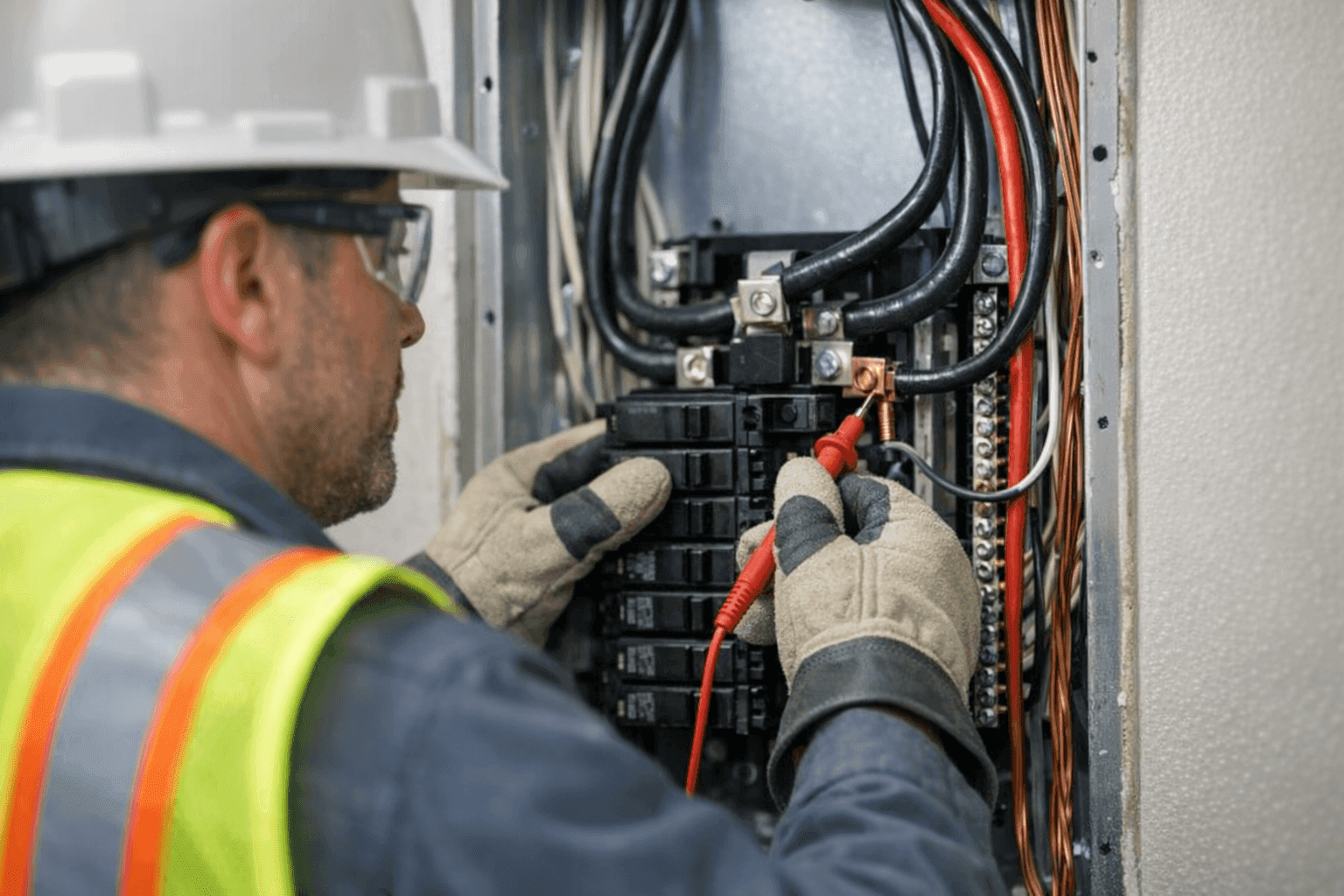
Are you thinking about adding a hot tub, upgrading your appliances, or installing an EV charger? Maybe you’ve noticed flickering lights or breakers that trip a little too often. High-voltage wiring can be the silent backbone of your home—or a hidden hazard if not handled with care.
At Angelic Electric, we know how overwhelming home electrical needs can feel. Safety, comfort, and peace of mind matter. That’s why we’re here to break it down and help you make smart, safe choices—no jargon, just real guidance.
What Is High-Voltage Wiring? ⚡
High-voltage wiring in homes isn’t just a “bigger plug.” Think of regular wiring as a garden hose and high-voltage as a fire hydrant. It carries more electrical power, typically for demanding appliances or systems. In residential settings, “high-voltage” usually refers to circuits above standard 120V—often 240V or more.
Common uses:
- Electric ranges
- Clothes dryers
- Central air conditioning units
- Hot tubs and spas
- EV chargers
This isn’t the kind of wiring for basic outlets & switches near you. It’s specialized, powerful, and needs precise handling.
Home Applications for High Voltage
Why would you need high-voltage wiring at home? Sometimes it’s about convenience—like running multiple appliances at once. Other times it’s a necessity, especially when:
- Installing new HVAC systems
- Adding a home workshop with heavy machinery
- Upgrading kitchens with double ovens or induction ranges
- Setting up a pool or spa
Home automation and backup generators also depend on proper high-voltage infrastructure. The right design means everything runs smoothly—and safely.
Safety Precautions and Code Requirements 🚨
Electricity is invisible but unforgiving. The National Electrical Code (NEC) sets strict requirements to keep homes safe. Local building codes may add extra rules. Here’s what matters most:
- Only qualified electricians should design and install high-voltage systems.
- Correct wire gauge and insulation prevent overheating and fires.
- Proper grounding and bonding are non-negotiable.
- All work must be inspected and permitted.
Ignoring code isn’t just risky; it can void insurance or cause big problems when selling your home. Always check that your electrician is licensed and insured.
Installation and Maintenance Tips
If you’re planning a renovation or new installation, keep these tips top of mind:
- Map out future needs with your electrician—think beyond today.
- Use only approved materials rated for the voltage and load.
- Schedule regular electrical safety inspections, especially after big storms or home changes.
- Label high-voltage breakers and panels clearly.
Dust, pests, and moisture can all compromise wiring over time. Maintenance isn’t just about repairs—it’s about prevention.
Risks of DIY High-Voltage Work
Changing a lightbulb or even replacing an outlet? Some homeowners handle those jobs. But high-voltage wiring is a different animal.
Attempting DIY high-voltage work can result in:
- Severe electrical shock or burns
- Fire hazards hidden behind walls
- Expensive repairs to fix code violations
- Voided warranties on appliances and home systems
Think of it like car brakes—some things are just too important to leave to chance. If you’re not a licensed electrician, call someone who is.
Quick Safety Checklist for Homeowners
Before you even think about working near high-voltage wiring, run through this safety checklist:
- Power off at the main breaker
- Test circuits before touching wires
- Wear insulating gloves and safety gear
- Never work alone
- Double-check all connections and fittings
When in doubt, step back and pick up the phone. Saving a service call isn’t worth risking your safety.
Common Mistakes Homeowners Make
We’ve seen it all over the years. Here are the most frequent missteps:
- Using the wrong wire size for an appliance
- Skipping permits or inspections
- Overloading a panel with too many circuits
- Ignoring signs of trouble, like warm outlets or tripping breakers
Small shortcuts can lead to big headaches. A little caution goes a long way.
Signs You May Have a High-Voltage Problem
Don’t ignore these warning signals:
- Buzzing or humming from panels or outlets
- Flickering or dimming lights when large appliances start
- Breakers that trip repeatedly
- Burning smells or scorch marks
If you spot these, call an electrician right away. Acting fast can prevent bigger issues—like fire or equipment damage.
The Professional’s Arrival: What to Expect
When you call Angelic Electric, here’s what happens:
- We listen to your concerns and gather details
- A licensed electrician inspects your wiring, panels, and circuits
- We use specialized testing equipment—no guesswork
- You get a clear explanation of what’s wrong and how we’ll fix it
We believe in transparency, so you always know what’s happening in your home.
Prevention & Maintenance for Peace of Mind
Preventing high-voltage hazards is a team effort. Homeowners can:
- Keep panel areas free of storage or clutter
- Schedule annual safety checks
- Address small issues before they escalate
Our team offers ongoing maintenance, including Wiring & Circuits checks and Electrical System Design updates. A safe home is a comfortable home.
Timeline & Disruption: What to Expect
Worried about how long a high-voltage project takes? Most installations or repairs are completed in one to three days, depending on complexity. We always outline the scope and timeline before starting, so you can plan life around the work.
Some disruptions are unavoidable—like brief power outages—but we work hard to minimize the impact on your daily routine.
Emergency Situations: When Every Second Counts
Certain electrical problems can’t wait. If you notice sparks, burning smells, or loss of power to critical systems, call for emergency service immediately. Our 24-hour team is ready for urgent calls—don’t risk your safety by waiting until morning.
Costs and Budgeting for High-Voltage Work
High-voltage projects are an investment in your home’s safety and value. Costs depend on factors like system age, access, and the specific appliances or systems involved. We always provide clear, upfront estimates. Remember, cutting corners can cost much more in the long run.
FAQ: High-Voltage Wiring in the Home
Q: Do I need high-voltage wiring for a tankless water heater?
A: Most likely, yes. Tankless heaters often require dedicated 240V circuits.
Q: Can I use extension cords for high-voltage appliances?
A: Never! Only permanent, code-compliant wiring is safe for high loads.
Q: How often should my electrical system be inspected?
A: The National Fire Protection Association recommends every 3–5 years, or after major renovations.
Code & Safety Resources
- National Electrical Code (NEC): The gold standard for safe installations.
- National Fire Protection Association (NFPA): For fire and electrical safety tips.
- Local Building Department: For permit and inspection requirements in your area.
Seasonal Considerations: Don’t Get Caught Off Guard
Storms, humidity, and extreme temperatures can all stress your high-voltage wiring. Schedule pre-season checks—especially before summer (for HVAC) or winter (for heat pumps and backup generators).
Why Professional Design & Inspections Matter
A well-designed system is like a custom-tailored suit—it just fits. Professional design helps avoid overloads and future headaches. Inspections catch hidden issues before they become emergencies. If you’re searching for a reputable electrician company or need Electrical System Design, our team is here to help.
Final Thoughts: Play It Safe, Always
High-voltage wiring is powerful, silent, and essential. It deserves respect—and a professional touch. For every project, big or small, prioritize safety and code compliance. Your family, your home, and your peace of mind are worth it.
Call Angelic Electric now — or reach us anytime at 844-440-1817 .