The Homeowner’s Guide to Installing Backup Generators
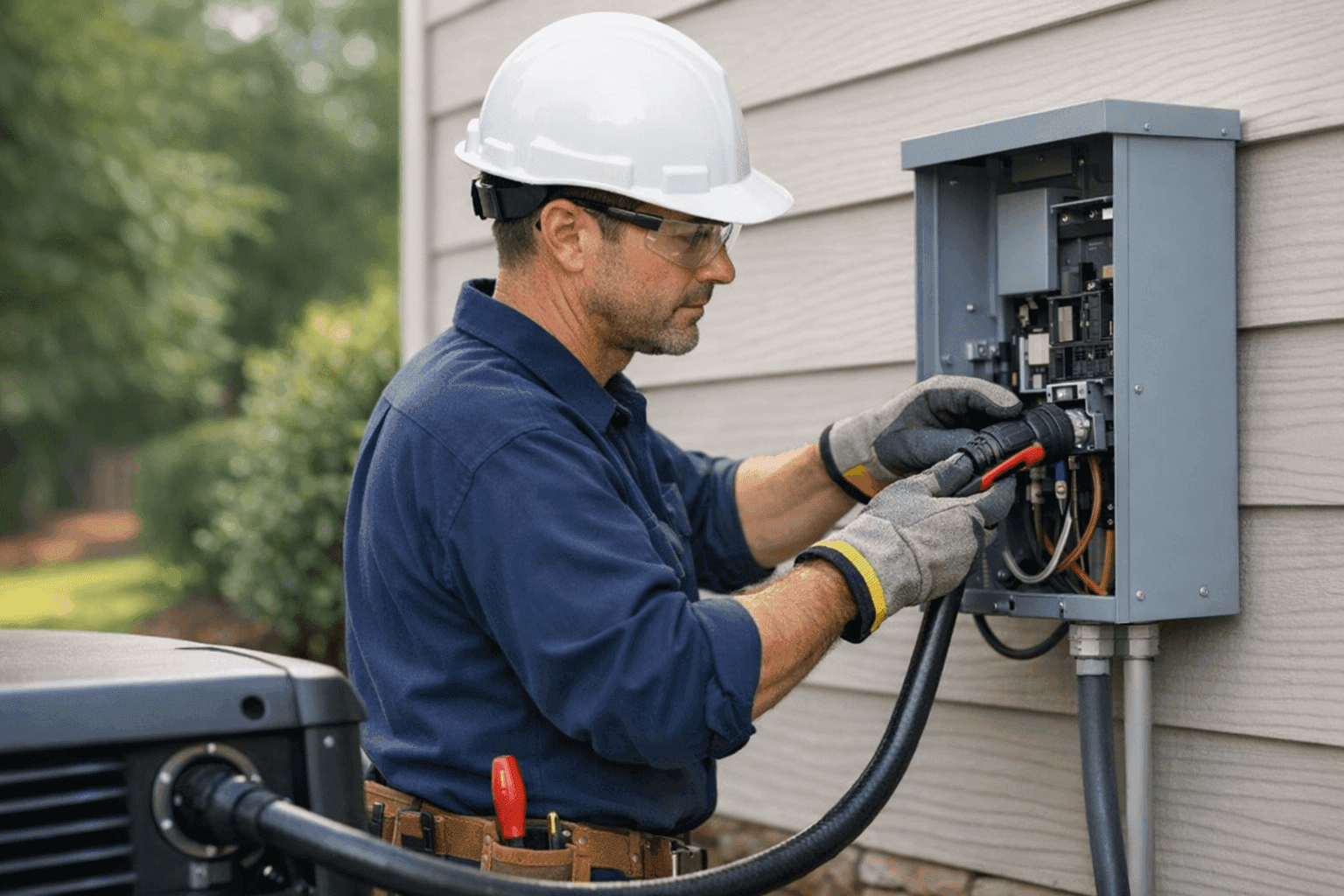
When the lights go out, your comfort, safety, and routine are suddenly on pause. A backup generator isn’t just a convenience—it can be the difference between calm and chaos when the unexpected strikes.
At Angelic Electric, we know how urgent it feels when your home’s power is at risk. Whether it’s stormy weather or rolling blackouts, homeowners need reliable solutions. This guide walks you through everything you need to know about backup generator installation, connecting to your home system, and why calling a professional matters.
Choosing the Right Backup Generator ⚡
Picking a generator is a little like choosing a new car—it needs to fit your lifestyle. Start by asking:
- What essentials need power? (Fridge, heat, lights, medical equipment)
- How long do outages typically last in your area?
- Do you prefer an automatic standby generator or a portable one?
Many homeowners opt for standby generators, which kick in automatically when the power fails. These are wired into your home’s panel and can keep life humming along with minimal interruption.
When sizing a generator, consider the total wattage of the items you need to power. A licensed electrician can help calculate your requirements and recommend models that meet National Electrical Code (NEC) standards. For a deeper dive, the Electrical Safety Foundation International (ESFI) offers helpful resources about safe generator selection.
Installation Steps and Safety
Installing a backup generator isn’t as simple as plugging in an appliance. It’s about designing a safety net that’s ready when you need it most.
Here’s a quick safety checklist:
- Choose a well-ventilated spot outside, away from windows and doors.
- Never operate generators indoors or in garages—carbon monoxide is deadly.
- Use the proper transfer switch; never backfeed power into your panel.
- Confirm with local codes or your municipality for permits and inspection requirements.
Professional installers—like Angelic Electric—follow strict guidelines. We’ll make sure your installation meets all national and local codes, and we’ll walk you through safe operation.
Connecting to Home Electrical System
Once the generator is in place, it's time to tie it to your home’s electrical heart: the panel. This step is critical. Mistakes here can mean shock risks, fire hazards, or damaging sensitive electronics.
A transfer switch is installed between your main electrical panel and the generator. Think of it as a traffic cop, ensuring power flows only one way—keeping utility lines and your generator safely separated. This switch can be manual or automatic, depending on your generator type and personal preferences.
Never attempt to hardwire a generator to your panel without a licensed electrician. If you’re seeking reputable electrician services or looking for electrical Installations in Hobbs, Angelic Electric is here for you.
Maintenance for Long-Term Reliability
Your generator is like a car—it needs regular care to run when you need it most. Here’s what homeowners should schedule:
- Run the generator monthly to keep parts lubricated.
- Change oil and air filters as recommended by the manufacturer.
- Check battery charge and fuel levels.
- Inspect for leaks or corrosion, especially after storms or long periods of inactivity.
Schedule annual inspections with a professional electrician. They’ll look for worn parts, test the transfer switch, and make sure everything is up to code.
Benefits of Professional Installation
Some jobs are DIY-friendly. This isn’t one of them.
Hiring a pro ensures:
- All wiring follows NEC, local codes, and manufacturer specs.
- Your generator is sized and placed safely.
- The transfer switch protects your home and utility workers.
- Permits and inspections are handled.
Trying to cut corners can lead to blown circuits, voided warranties, or worse—serious injury. Plus, professional electricians can guide you through upgrades, like adding surge protection or integrating with Outlets & Switches near you.
Problem Scenarios and When to Act
Imagine a thunderstorm knocks out power for hours. The food in your fridge is at risk. Your security system is down. For some, medical devices may stop running. That’s when a backup generator becomes more than a luxury—it’s a necessity.
If you notice flickering lights, repeated breaker trips, or your generator fails to start, call for help right away. Don’t ignore unusual noises or smells—these can be early signs of trouble.
Quick Safety Checklist for Homeowners
- Keep backup fuel safely stored and away from living spaces.
- Test your system monthly—don’t wait for disaster.
- Never plug a generator directly into a wall outlet (dangerous and illegal).
- Ensure your carbon monoxide detectors are working.
DIY vs. Call a Pro
While some handy homeowners are tempted to tackle installations, backup generators involve high-voltage wiring, code requirements, and real safety risks. Save the DIY energy for smaller projects—leave generator installs to a licensed electrician.
What Pros Do On Arrival
A professional installer will:
- Inspect your electrical panel and service size.
- Identify the safest location for your generator.
- Calculate your power needs.
- Obtain necessary permits.
- Handle all electrical connections, including the transfer switch.
- Test the system and explain operation and maintenance.
Prevention & Maintenance Tips
- Keep the generator area clear of debris, snow, or leaves.
- Schedule a full load test once a year.
- Log maintenance in a notebook or app for warranty records.
- Replace worn parts before they fail.
Costs & Time Factors
Generator installation costs vary by size, fuel type, and complexity. Typical projects can take one to two days, including permitting and inspections. While it’s an investment, the peace of mind during outages is priceless.
Emergency Situations: What To Know
If you’re experiencing a power outage, use your generator only as directed. Never operate it inside, and turn it off before refueling. If you smell gas or suspect a malfunction, shut it down and call an electrician immediately.
FAQ: Common Homeowner Questions
Q: How often should I run my generator?
A: Once a month for 15–30 minutes under load keeps it healthy.
Q: Can I power my whole house?
A: Most standby generators can handle essentials. Whole-home coverage is possible but requires careful planning.
Q: Do I need a permit?
A: Yes. Electrical work and permanent generator installs always require proper permits and inspections.
Seasonal Considerations
- Test your generator before storm season.
- Stock up on fuel in advance (store according to code).
- Clear ice or snow from vents and intakes during winter.
Common Mistakes to Avoid
- Skipping the transfer switch—dangerous and illegal.
- Installing too close to doors or windows—carbon monoxide hazard.
- Letting maintenance slide—leads to failure when you need it most.
Signs of Trouble
- Delayed or failed startups.
- Strange noises or vibrations.
- Tripped breakers or dimming lights.
- Error codes on digital displays.
If you spot any of these, call for service.
Timeline & Disruption
Installation can be done in a day or two, but some prep is needed. Expect brief power shutoffs while connections are made. Reputable electricians work quickly to minimize downtime and keep your home safe.
Materials and Equipment Required
- Generator (sized for your needs)
- Transfer switch (manual or automatic)
- Outdoor-rated wiring and conduit
- Concrete pad or level surface
- Approved fuel source (natural gas, propane, diesel)
- Weatherproof enclosures
Each install is unique. A professional will advise what’s best for your home.
When it’s time to protect your home from outages, Angelic Electric is ready to help. Don’t leave your family’s safety up to chance—schedule your generator installation, maintenance, or repair today.
Call Angelic Electric now — or reach us anytime at 844-440-1817 .