The Homeowner’s Guide to Low Voltage Electrical Systems
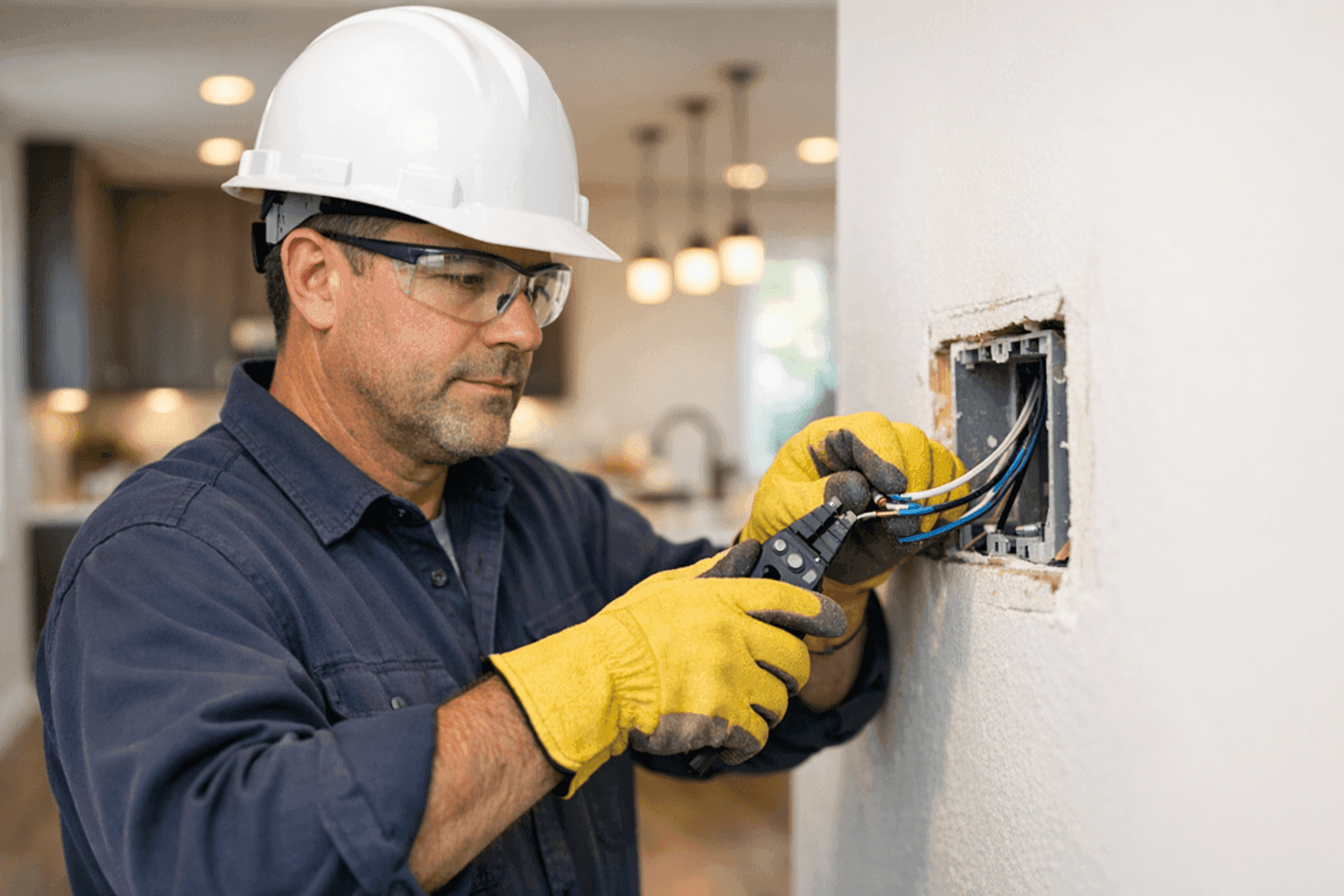
Homeowners juggle a lot, from keeping the lights on to making sure every device charges safely. Low voltage electrical systems are the unsung heroes—quiet, hidden, but crucial to modern living. When they're installed right, life runs smoother. When they're not, small issues can grow into big headaches.
At Angelic Electric, we know just how much these systems matter. Whether you're tackling landscape lighting or building a smarter, safer home, understanding low voltage wiring is key. Let's clear up what it is, how it works, and what you should know—whether you’re a hands-on DIYer or someone who’d rather call in a pro.
What Are Low Voltage Systems? ⚡
Low voltage systems are like the gentle streams that power your home’s technology. Unlike the roaring river of standard 120-volt circuits, these systems run at 50 volts or less—often 12V or 24V. Think of them as the nerves, not the muscles, of your home's electrical anatomy.
They’re everywhere, but easy to miss:
- Landscape lighting that subtly marks your garden path.
- Doorbells that chime just right.
- Security systems watching over your family.
- Thermostats quietly adjusting the temperature.
By design, low voltage wiring reduces the risk of shocks and fires. But it’s not risk-free. Proper installation and regular checks are still a must.
Reference: The National Electrical Code (NEC) outlines clear rules for low voltage wiring, just as it does for standard circuits.
Common Home Applications
You might not realize how many parts of your home depend on low voltage systems. Here are some familiar faces:
- Landscape & Garden Lighting: Safe, energy-efficient, and easy to expand.
- Home Security: Cameras, motion sensors, alarms—all depend on low voltage wiring.
- Intercoms & Doorbells: Modern systems often run on just a trickle of power.
- Thermostats & Smart Controls: Most smart thermostats and home automation gadgets use low voltage.
- Audio/Video Systems: Built-in speakers or media rooms rely on these subtle wires.
- Garage Door Openers: Often powered and controlled via low voltage lines.
These applications blend into your daily life, making things convenient and secure.
Installation and Safety Tips 🛠️
Installing low voltage systems might seem like a small job—but small mistakes can cause big problems. Here’s what every homeowner should know before picking up a wire stripper.
Plan the Route
- Map out where cables need to go before you start.
- Avoid sharp bends and keep wires away from heat sources.
Use the Right Materials
- Use cables rated for low voltage use—never substitute with standard household wire.
- Protect outdoor wiring with conduit when possible.
Label Everything
- Mark both ends of every wire, especially if you’re running multiple lines.
- This saves time (and headaches) during future upgrades or repairs.
Follow Code
- Always check local building codes and the NEC before starting.
- Some installations may require a permit or inspection.
Test As You Go
- Use a voltage tester to double-check connections.
- Make sure all connections are secure—loose wires cause flickering or failure.
DIY vs. Professional Installation
Could you install a low voltage system yourself? Maybe. Should you? Sometimes, but not always.
When DIY Is Reasonable
- Swapping out a doorbell chime.
- Installing a basic battery-powered security camera.
- Setting up solar-powered path lights.
These projects are usually safe for confident DIYers. Take your time and follow every instruction.
When to Call an Electrician
- Running wires through walls or attics.
- Connecting to your home’s main electrical panel.
- Dealing with complex home automation or security systems.
- Unsure about permits, code, or safety.
A licensed electrician brings expertise and peace of mind. Sometimes, the right call is to bring in a pro—especially for projects that touch your home’s backbone. If you need help with low voltage systems or wiring and circuits, reach out to Angelic Electric.
Maintaining Low Voltage Systems
Just because they’re low voltage doesn’t mean they’re “set it and forget it.” Here’s how to keep your systems running smoothly.
- Regular Visual Checks: Look for frayed insulation, loose connections, or signs of moisture.
- Test Devices: Push test buttons on smoke/carbon monoxide detectors monthly.
- Clean Outdoor Fixtures: Dirt or debris can block lights or corrode contacts.
- Replace Bulbs as Needed: Use the correct wattage to avoid overheating.
- Schedule Professional Inspections: Periodic checkups catch hidden issues early.
Quick Safety Checklist
Before you tinker with any electrical system—low voltage or otherwise—run through this list:
- Is the power off at the source?
- Are you using insulated tools?
- Is the work area dry and clear of hazards?
- Do you know which breaker controls the system?
- If outdoors, is the wiring rated for wet locations?
When in doubt, stop and call for help.
Signs of Trouble
Not all problems announce themselves loud and clear. Watch for these warning signs:
- Flickering lights or devices.
- Unusual buzzing or humming.
- Sudden failure of multiple low voltage systems.
- Tripped breakers or blown fuses.
- Warm or discolored outlets and switches.
If you spot any of these, turn off power and contact an electrician.
Common Mistakes to Avoid 🚫
Even small errors can cause frustration and expense. These are the pitfalls we see most:
- Using the wrong wire size (undersized wires can overheat).
- Overloading circuits—too many lights or devices on a single transformer.
- Poor connections—loose wires spark or fail over time.
- Skipping permits or ignoring code.
Remember, shortcuts today can mean extra costs tomorrow.
Timeline & Disruption—What to Expect
Most low voltage installations are less disruptive than standard electrical work. Still, expect:
- A few hours to several days, depending on complexity.
- Some drilling or minor patching if wires run through walls.
- Occasional power shut-offs for safety.
Working with a licensed electrician helps keep surprises to a minimum.
Materials Every Homeowner Should Know
Familiarize yourself with these basics:
- Wire Strippers & Crimpers: For clean, safe connections.
- Low Voltage Cable: Typically 12 or 24 gauge.
- Transformers: Step down household voltage for safe use.
- Connectors & Junction Boxes: Keep connections tidy and enclosed.
- Timers & Smart Controllers: Automate lighting or security.
Costs & Time Factors
Low voltage projects usually cost less than high-voltage wiring but vary by project size. Factors include:
- Length and type of cables.
- Number of fixtures or devices.
- Need for permits or inspections.
- Complexity of integration (like home automation).
Ask for a detailed estimate before any work begins.
Prevention & Maintenance
A little care goes a long way. Here’s how to avoid common headaches:
- Schedule annual professional inspections.
- Update aging transformers or fixtures before they fail.
- Keep outdoor wiring away from garden tools and pests.
- Use weatherproof materials outdoors.
A stitch in time, as they say, saves nine.
When It’s an Emergency
Electrical emergencies don’t always announce themselves. If you smell burning, see smoke, or notice sparking, shut off the power and call for emergency service right away.
Angelic Electric offers emergency and 24-hour service for all home wiring and low voltage systems.
Seasonal Considerations
- Spring: Check garden and landscape lighting for winter damage.
- Summer: Watch for overloaded circuits from outdoor entertainment setups.
- Fall: Prep holiday lighting and test security systems.
- Winter: Protect outdoor wiring from snow, ice, and salt.
A little attention each season keeps things running smoothly year-round.
FAQ—Homeowners’ Top Low Voltage Questions
Is low voltage wiring safer than standard wiring?
Generally, yes. Lower voltage means less risk of shock, but safety still matters. Always use proper materials and methods.
Can I use old speaker wire for new lighting?
No. Always use wire rated for the intended use, per the National Electrical Code.
Do I need a permit for low voltage work?
For some projects, yes—especially those that tie into the main panel or run through walls. Check with your local building department.
How often should I have my system inspected?
At least once a year for outdoor or critical systems. More often if you notice issues.
Code Compliance and Safety
Following code isn’t just a suggestion—it’s a must. The National Electrical Code (NEC) and local regulations ensure safety for you and your home. When in doubt, ask a licensed electrician to review your plans or work.
For those in the area, our Wiring & Circuits page explains more about our approach to code-compliant installations and repairs.
Final Thoughts: Your Home’s Quiet Power
Low voltage systems are the silent backbone of modern homes. They keep you connected, comfortable, and safe—when designed and installed with care.
If you’re planning an upgrade, tackling a tricky installation, or just want peace of mind, Angelic Electric is here to help. We handle everything from design to maintenance, always with a focus on safety and reliability.
Call Angelic Electric now — or reach us anytime at 844-440-1817 .