Homeowner’s Guide to Smoke & Carbon Monoxide Detectors
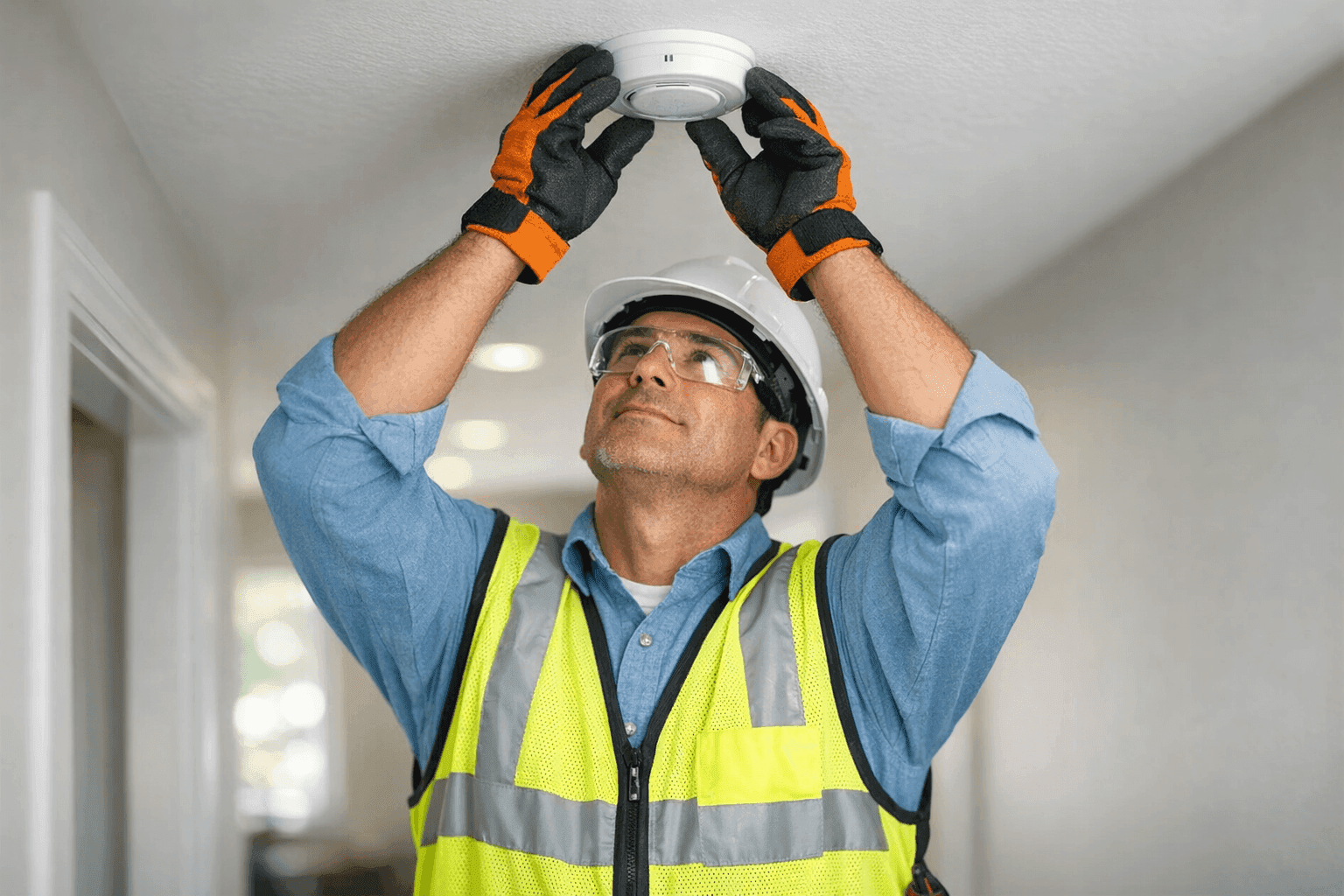
Your home should be a haven, not a hazard. But danger doesn’t always announce itself. Fire and carbon monoxide are silent threats—unforgiving, invisible, and fast-moving. One missed alarm can change everything.
At Angelic Electric, we’ve seen how a simple detector can tip the scales between disaster and safety. Here’s what every homeowner needs to know to keep loved ones secure, and why calling in a seasoned electrician can make all the difference.
Difference Between Smoke & CO Detectors 🔥
Smoke detectors and carbon monoxide (CO) detectors may look similar, but they fight totally different battles. Smoke detectors sense particles from burning materials—think of smoke curling up in a kitchen or hallway. CO detectors, on the other hand, sniff out a deadly gas you can’t see or smell. Carbon monoxide is called the “silent killer” for a reason.
A smoke detector can warn you of fire before flames take hold. A CO detector might be your only clue when a furnace or stove leaks toxic gas into your home. Both are essential. One doesn’t replace the other.
Key differences:
- Smoke detectors: Pick up on smoke particles from fires.
- CO detectors: Detect colorless, odorless carbon monoxide gas.
- Combination units: Some detectors handle both risks, but always check the label.
For authoritative guidance, the National Fire Protection Association (NFPA) and the U.S. Consumer Product Safety Commission recommend having both types in your home.
Correct Placement Throughout the Home
Where you put your detectors can matter as much as having them at all. It’s a bit like placing umbrellas only where it’s already dry—useless when the storm blows in from another direction.
Best practices for placement:
- Smoke detectors:
- Install inside every sleeping room.
- Place in hallways outside bedrooms.
- Put at least one on every level—including the basement.
- Mount on ceilings (smoke rises!) or high on walls.
- CO detectors:
- Place outside sleeping areas, where they can wake you up.
- Mount on each floor of your home.
- Never install them right next to fuel-burning appliances—give them some breathing room.
Avoid kitchens and bathrooms for smoke detectors if you can—cooking steam can trigger nuisance alarms. For CO detectors, avoid spots with direct sunlight or behind curtains.
If you’re not sure, an electrician can assess your home and recommend prime spots for maximum protection.
Installation and Testing Steps
Installing a detector isn’t rocket science, but doing it right is crucial. Here’s how to tackle basic installation:
- Read the manufacturer’s instructions—every model is different.
- Gather basic tools: screwdriver, drill, mounting hardware.
- Mark the spot: Ceiling is best for smoke, eye-level for CO.
- Mount the bracket securely.
- Attach the detector and insert batteries (if needed).
- Test it: Press and hold the test button. It should sound off.
If your detectors are hardwired or interconnected, working with a licensed electrician is strongly recommended. Electrical work isn’t a place for guesswork—one loose wire can mean a system that fails in an emergency.
Replacing Batteries and Units
Detectors aren’t “set it and forget it” gadgets. They have a shelf life, just like milk in your fridge. Stale batteries won’t help you when it counts.
Simple upkeep:
- Change batteries at least once a year—or when you hear that annoying chirp.
- Replace smoke detectors every 10 years, and CO detectors every 5-7 years (check the label).
- Mark your calendar, or change batteries when you switch your clocks for daylight savings.
Confused? Angelic Electric offers maintenance to keep you covered year-round.
Professional Testing Advantages
DIY testing is good, but it’s only half the game. Professionals use advanced tools to check for hidden issues—think of it as a yearly physical for your home’s lungs.
Benefits of a pro inspection:
- Detect wiring problems or outdated units.
- Ensure detectors are interconnected and up to code.
- Test system response times with specialized equipment.
- Offer advice on upgrades for smart home integration.
A professional electrician’s eye can spot trouble before it becomes a tragedy. This isn’t just about passing an inspection—it’s about peace of mind.
The Quick Safety Checklist ✅
Every family should run through these basics once a season:
- Test every detector monthly.
- Clean gently with a vacuum once or twice a year.
- Keep pathways clear—clutter blocks smoke and delays alarms.
- Make a fire escape plan, and practice it with your household.
- Review your detectors’ age and replace as needed.
DIY or Call a Pro?
Installing battery-operated detectors can be a weekend project. But if your system is hardwired, interconnected, or part of a bigger home automation setup, don’t risk a DIY shortcut.
Professional installation ensures:
- Devices are powered and positioned correctly.
- All units communicate (especially in larger homes).
- Compliance with current codes and regulations.
- Seamless integration with other safety checks.
What Pros Do On Arrival
When an electrician from Angelic Electric arrives, here’s what you can expect:
- A thorough walkthrough of your home’s layout and existing detectors.
- Inspection for outdated, missing, or incorrectly placed devices.
- Testing of each unit and the overall alarm system.
- Recommendations for upgrades, placement corrections, or added protection.
- Clear answers to all your questions—no jargon, just real talk.
Prevention & Maintenance Tips
A detector that’s dusty or blocked is like a lifeguard asleep on the job. Keep your units in shape:
- Gently vacuum around vents every few months.
- Avoid painting over detectors.
- Replace any detector that fails a test, even after fresh batteries.
- Keep a record of purchase and install dates.
Costs & Time Factors
Detectors are a small investment for huge peace of mind. Basic battery-operated units are affordable. Hardwired, interconnected, or smart systems cost more upfront but pay off in reliability and coverage.
- Time: A straightforward install can take 10–20 minutes per unit. Full system checks or upgrades may take a few hours, depending on home size and complexity.
- Cost: Varies by type, features, and installation needs. Factor in future maintenance and regular upgrades.
When It’s an Emergency
If your CO detector goes off and you feel dizzy, nauseous, or confused—leave your home immediately and call 911. For smoke alarms, treat every alarm as real until you know otherwise.
Don’t try to “tough it out” or silence a beeping detector without checking for danger. Your safety comes first.
Common Mistakes to Avoid
- Skipping regular testing.
- Removing batteries after a false alarm and forgetting to replace them.
- Placing detectors too close to windows, vents, or bathrooms.
- Using old, expired devices.
One misstep can erase all your best intentions. Stay vigilant.
Seasonal Considerations
Winter brings increased risk—heaters, fireplaces, and closed windows can turn your home into a trap for smoke or CO. Summer storms can knock out power, so check battery backups in detectors and consider a backup generator for extra safety.
Signs of Trouble
- Frequent nuisance alarms.
- Chirping that doesn’t stop after changing batteries.
- Physical damage or discoloration.
- Detectors older than their recommended lifespan.
If in doubt, have your system checked by an electrician company that specializes in residential safety.
Timeline & Disruption
Most detector installations cause minimal disruption—no need to upend your schedule. For full rewiring or interconnected systems, plan for a few hours with occasional power shutoffs.
Materials & Equipment
You don’t need a toolbox full of gadgets. But a sturdy ladder, screwdriver, and new batteries are essentials for basic upkeep. Leave the wiring, circuit testing, and smart home integrations to the pros.
FAQ: Smoke & CO Detectors
Q: How often should I test my detectors?
A: Once a month. It takes seconds and can save lives.
Q: Can I use one detector for both smoke and CO?
A: Some units combine both functions, but always check the label and follow placement guidelines.
Q: What if my detector keeps chirping?
A: Change the battery. If it continues, the unit may be expired or faulty—replace it.
Q: Who can help with hardwired systems?
A: An electrician contractor from Angelic Electric can safely install, connect, and maintain your detectors.
Protecting your home is about more than luck—it’s about smart choices and regular attention. When it comes to smoke and carbon monoxide detectors, don’t leave things to chance. If you’re ready for an upgrade, a maintenance check, or just peace of mind, we’re here to help.
Call Angelic Electric now — or reach us anytime at 844-440-1817 .