What Homeowners Need to Know About Surge Protection
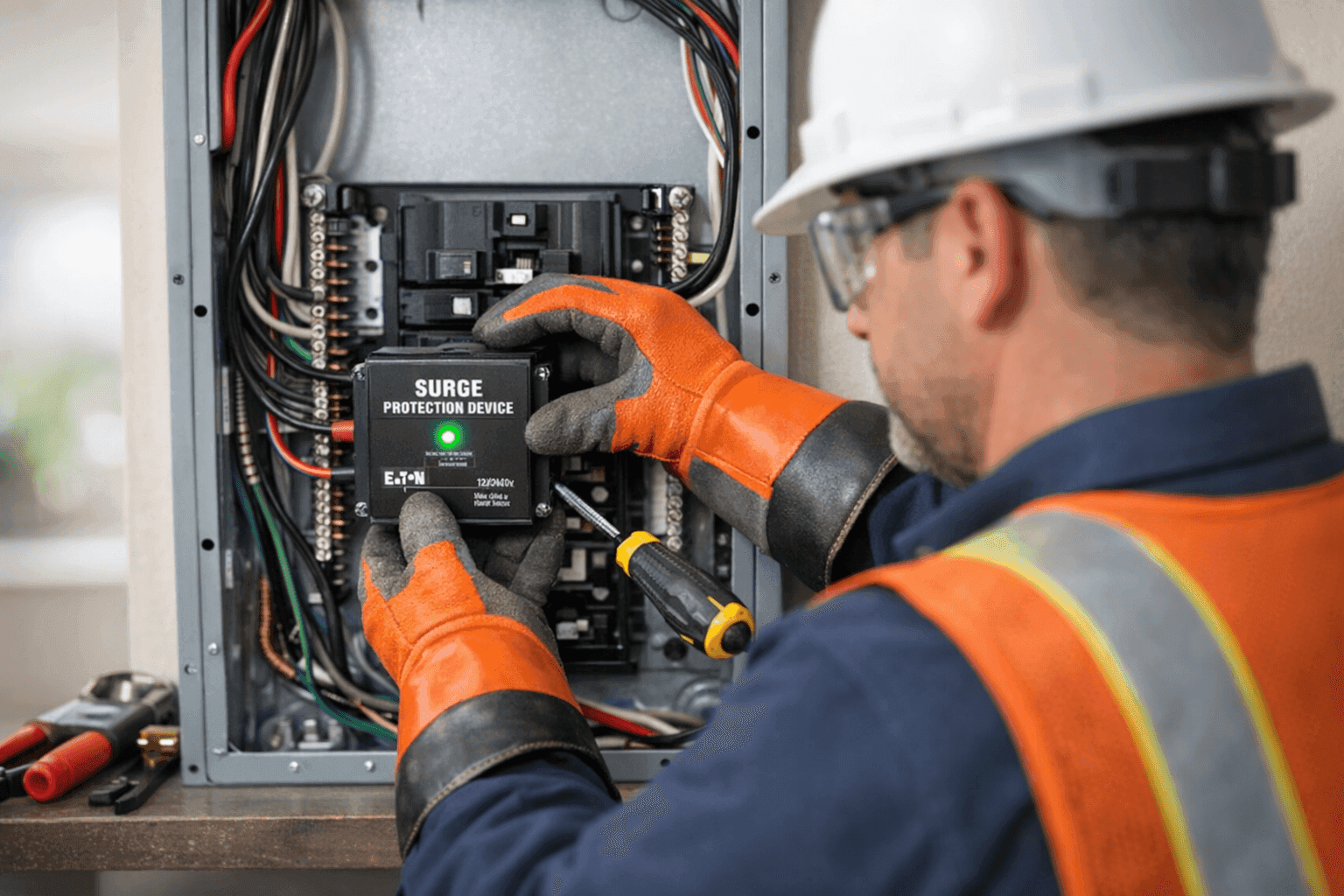
Is your home’s electrical system ready for the next big storm—or even a hiccup from your utility provider? Power surges strike fast, but their damage lingers. At Angelic Electric, we know firsthand how a split-second spike can ruin appliances, fry sensitive electronics, or even start a fire.
The good news? You don’t have to leave your home’s safety to chance. Let’s break down what every homeowner needs to know about surge protection, from what causes surges to why professional installation makes all the difference.
What Causes Power Surges? ⚡
Imagine your home’s wiring as a set of water pipes. Normally, electricity flows smoothly—like water at the right pressure. But when a surge hits, it’s like someone suddenly blasts the pipes with a firehose. The result? Too much juice, too quickly.
Common causes include:
- Lightning strikes: Direct or nearby hits can send a jolt through your whole electrical system.
- Utility grid switching: When the power company makes adjustments, voltage spikes can ripple through neighborhoods.
- Large appliances cycling on/off: Refrigerators or air conditioners starting up can create internal surges.
- Faulty wiring or panels: Worn or outdated systems may be more vulnerable to sudden voltage jumps.
- Downed power lines: Accidents or storms can send unexpected surges into homes.
Even small surges—often too quick to notice—chip away at your electronics over time. The risk is real, but the solution is within reach.
Types of Surge Protectors
Not all surge protection is created equal. Think of them like umbrellas: some cover just you, others cover the whole family.
1. Plug-In Surge Protectors
- Where they go: Directly into outlets, usually in the living room, office, or behind your TV.
- What they protect: Devices plugged into them—computers, TVs, gaming consoles.
- Limitations: Only covers items using that outlet. Can’t stop surges arriving through wiring, phone, cable, or data lines.
2. Whole-House Surge Protectors
- Where they go: Installed at your electrical panel, intercepting surges before they hit your home’s circuits.
- What they protect: Every outlet and device connected to your home’s system, including hard-wired appliances.
- Benefits: Peace of mind for your entire investment—appliances, HVAC, lighting, and more.
For maximum protection, many homeowners combine both types. Plug-ins are your front line; whole-home units are the fortress.
How Whole-Home Protection Works
A whole-home surge protector is like a bouncer at the door of your electrical system. Installed at the main panel, it senses dangerous voltage and diverts the excess safely to ground—before it can travel to vulnerable outlets, switches, or appliances.
Key facts:
- Fast-acting: Responds in fractions of a second.
- Protects all circuits: Includes lights, outlets, and even hard-wired devices like ovens or washing machines.
- Works silently: No need for daily attention—just reliable, always-on defense.
If you’ve upgraded your panels and breakers, whole-house protection is the logical next step for full-home safety.
Signs You Need Surge Protection
If you’re wondering, “Do I really need this?”—here are clues your home is at risk:
- You’ve experienced unexplained device failures (TVs, computers, chargers).
- You hear buzzing, see flickering lights, or smell burning plastic near outlets.
- Your area has frequent storms, power outages, or unreliable utility service.
- You use expensive appliances or home automation systems.
- Your wiring is older than 20 years or your home has recently added major electronics.
Don’t wait for a close call. Even one surge can be costly.
Professional Installation Benefits
Sure, you can buy a plug-in strip at the hardware store. But for real protection, professional installation is key.
Here’s why:
- Correct placement: A licensed electrician will install surge protection at your main panel—where it does the most good.
- Code compliance: Installations follow National Electrical Code (NEC) and local safety requirements.
- Proper grounding: Surge protectors are only as effective as your grounding system. Pros make sure it’s up to par.
- Warranty preservation: Many home insurance policies require professional installation for claims.
- Peace of mind: No guesswork, no shortcuts. Just protection that works.
Angelic Electric’s team brings years of experience to every job—whether you need wiring and circuits upgraded or a brand new whole-home surge protector.
Quick Safety Checklist for Homeowners
- Unplug sensitive electronics during major storms.
- Avoid daisy-chaining power strips (one into another).
- Have your electrical panel inspected every 5–10 years.
- Replace plug-in surge protectors every 2–3 years, or after a major surge event.
- Regularly check for hot or discolored outlets, which can signal wiring trouble.
DIY vs. Call a Pro
Plug-in strips are simple—anyone can use them. But whole-home surge protection is not a DIY job. It involves:
- Shutting off main power
- Working inside your panel (risk of shock or fire)
- Properly grounding the device
For your safety and the safety of your home, let a qualified electrician handle the heavy lifting.
What Pros Do On Arrival
When Angelic Electric visits your home for surge protection, here’s what to expect:
- Assessment: We check your existing panel, wiring, and grounding.
- Product selection: We recommend the right surge protector for your needs and budget.
- Installation: Our electrician installs the unit, tests it, and explains how it works.
- Follow-up: We answer questions and offer guidance for future maintenance.
Prevention & Maintenance Tips
- Schedule annual electrical safety inspections. This helps catch small problems before they become big ones.
- Don’t ignore minor power blips or strange noises from your panel.
- Update old wiring and circuit breakers for better surge defense.
- Read device manuals to know what’s covered by your plug-in protectors.
Costs & Time Factors
Most whole-home surge protector installations take less than two hours. Costs vary based on panel type, home size, and any upgrades needed to your Wiring & Circuits.
Remember, the small investment in surge protection often pays for itself after just one avoided disaster.
When It’s an Emergency
If you smell burning, see smoke, or lose power after a storm, call an electrician immediately. Electrical fires can start in hidden places—never ignore warning signs.
For urgent needs, Angelic Electric offers 24-hour emergency service.
Common Mistakes Homeowners Make
- Relying on power strips alone for whole-home protection.
- Skipping regular panel or wiring inspections.
- Overloading outlets with too many devices.
- Using outdated or damaged surge protectors.
Avoid these slip-ups for a safer, more reliable home.
Seasonal Considerations
- Spring/Summer: Storms increase risk of lightning strikes and outages.
- Winter: Heavy use of heaters and holiday lights can strain your circuits.
- Year-round: Utility grid events can happen any time.
Check your protection before each season’s big weather swings.
Frequently Asked Questions
Will a surge protector stop all electrical damage?
No device is 100% foolproof, but professionally installed surge protection catches the vast majority of dangerous spikes.
Do I need both plug-in and whole-home surge protection?
Yes, using both together covers more risks—especially for sensitive electronics.
How do I know if my surge protector is still working?
Some units have indicator lights. If in doubt, ask your electrician to test it during your next inspection.
Timeline & Disruption
Worried about disruptions? Most installations are quick and don’t require moving furniture or rewiring your whole house. We’ll walk you through every step, so there are no surprises.
Materials and Equipment
We use only UL-listed, code-compliant surge protectors. Your home’s safety and your peace of mind are worth it.
Protect what matters most. Don’t wait for a power surge to make you wish you’d acted sooner.
Call Angelic Electric now — or reach us anytime at 844-440-1817 .