How to Childproof Your Home’s Electrical System
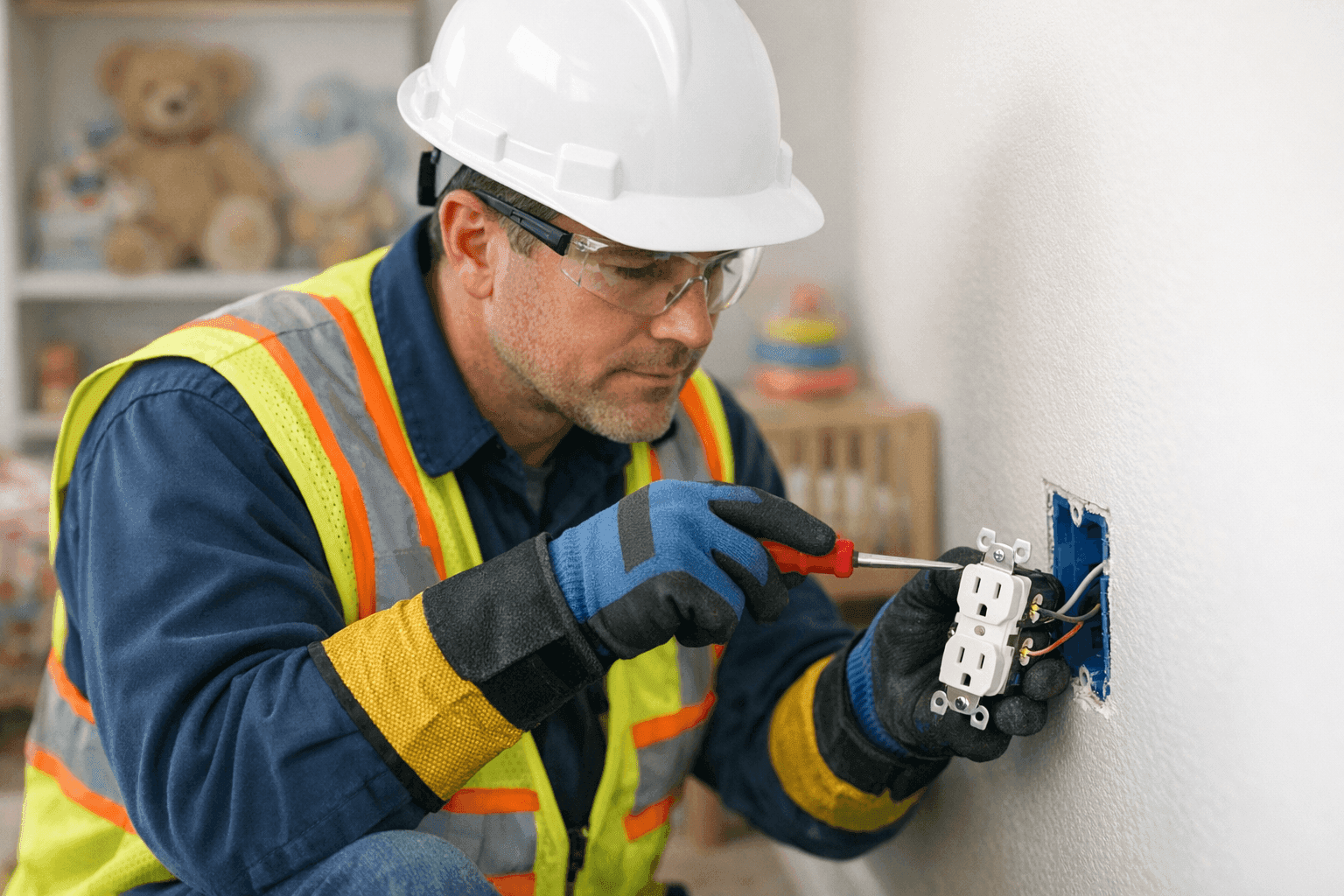
Every parent knows that kids are curious by nature. They explore the world with wide eyes and wandering hands—often right into places they shouldn’t, like your home’s electrical system. It’s a heart-stopping moment when you see little fingers reaching for an outlet, or tangled up in a mess of cords.
At Angelic Electric, we see firsthand how easy it is for accidents to happen—and how simple steps can help prevent them. This guide will walk you through practical, proven strategies for keeping your children safe from electrical hazards in your home.
Common Electrical Hazards for Children ⚡
Children don’t see danger the way adults do. What looks like a harmless wall outlet or a shiny switch can be fascinating to a toddler. Here’s where the risks hide:
- Exposed Outlets: Open slots are tempting for tiny fingers and toys.
- Loose or Dangling Cords: Cords can trip, entangle, or be chewed on.
- Unprotected Power Strips: Easy targets for poking or unplugging.
- Low-Hanging Appliances: Items like hairdryers or kettles can be yanked down.
- Overloaded Circuits: Too many devices plugged in can spark or overheat.
- Old Wiring: Frayed wires or cracked insulation are silent threats.
According to the National Fire Protection Association (NFPA), thousands of children each year are treated for injuries caused by electrical outlets. Prevention is more than just a good idea—it’s essential.
How to Childproof Outlets and Switches
Outlets are like magnets for little hands. Here’s how to make them safer:
- Use Tamper-Resistant Receptacles (TRRs): These outlets have spring-loaded shutters that block objects from entering. They’re now required by the National Electrical Code (NEC) in new homes, and for good reason.
- Install Outlet Covers: Plastic caps are a quick fix, but sliding outlet covers provide better protection and are less likely to be removed or pose a choking hazard.
- Upgrade Old Switches: Rocker-style switches are harder for small children to flip, compared to traditional toggles.
- Double-Check GFCI Outlets: Ground Fault Circuit Interrupters shut off power when they sense a problem. Test them monthly—especially in bathrooms, kitchens, and laundry rooms.
- Schedule Professional Inspections: An experienced electrician can spot risks you might miss and recommend upgrades.
For more information about protecting your home, check our Outlets & Switches service page.
Safe Appliance Use Around Kids
Appliances are a daily part of life, but they can quickly become dangers in the hands of a child.
- Keep Appliances Out of Reach: Store toasters, blenders, and irons well above little arms’ reach.
- Unplug When Not in Use: This removes both electrical and burn risks.
- Use Safety Latches: On cabinets where appliances are stored, childproof latches can keep kids out.
- Check for Damage: Frayed wires or cracked plugs should be replaced immediately.
Cord Management and Coverings 🧸
A jungle of cords is a recipe for trouble. Here’s how to tame it:
- Bundle and Secure: Use cord shorteners or cable management boxes to keep cords tight and out of sight.
- Cover Cords: Cord covers run along baseboards and keep cables hidden and protected from curious hands and mouths.
- Avoid Running Cords Under Rugs: This can cause overheating and hide damage.
- Wall-Mount Where Possible: TVs and other electronics can often be mounted, keeping cords up and away.
When to Upgrade for Extra Safety
There are times when basic childproofing isn’t enough, and it’s worth considering a professional upgrade:
- Older Homes: Homes built before the 2000s may lack modern safety features like TRRs and AFCIs (Arc Fault Circuit Interrupters).
- Frequent Tripping Breakers: If your breakers trip often, it could indicate unsafe wiring or overloaded circuits.
- Visible Wear or Damage: Cracked outlets, loose switches, or exposed wires are red flags.
- Major Renovations or New Additions: Always update your electrical system to current code when remodeling.
Angelic Electric provides thorough Safety Checks and can advise on when it’s time to modernize your system for peace of mind.
Quick Safety Checklist for Parents
Running through a checklist now and then can make the difference between a close call and a catastrophe. Here’s a quick snapshot:
- Are all outlets covered or tamper-resistant?
- Are cords bundled, out of reach, and undamaged?
- Are appliances stored safely and unplugged when not in use?
- Are smoke and carbon monoxide detectors installed and tested regularly?
- Have you scheduled a recent professional inspection?
Visit our Smoke & Carbon Monoxide Detectors page for more on these critical safety devices.
DIY vs. Calling a Professional
Some childproofing steps are perfect for a do-it-yourself weekend. Outlet covers, cord management, and appliance storage can usually be handled on your own. But when it comes to:
- Installing new outlets or switches
- Upgrading the electrical panel
- Rewiring circuits
- Adding safety devices like GFCIs or AFCIs
…it’s time to call in a licensed electrician. Electrical work is complex and dangerous if not done right. The cost of a pro is always less than the cost of a hospital visit.
What to Expect When a Pro Arrives
When you schedule a childproofing inspection or upgrade, here’s what happens:
- Walkthrough & Risk Assessment: The electrician inspects outlets, switches, panels, and visible wiring.
- Testing & Recommendations: Safety devices are tested, and any issues are flagged.
- Upgrade or Repair: Outdated or dangerous components are replaced or upgraded to meet code.
- Education: You’ll get practical tips for ongoing safety and maintenance.
Prevention & Maintenance: Staying Ahead of Hazards
Childproofing isn’t a one-and-done project. As your kids grow and your home changes, revisit your safety measures:
- Check outlet covers monthly.
- Replace aging appliances and cords.
- Test smoke and carbon monoxide detectors twice a year.
- Schedule annual electrical safety inspections.
Stay vigilant—kids are always finding new ways to surprise you.
Costs & Time Factors
Worried about the cost or disruption? Here’s what to expect:
- Outlet/Switch Upgrades: Typically 10–20 minutes per device for a professional.
- Whole-Home Inspection: Most homes can be checked in 1–2 hours.
- Childproofing Supplies: Outlet covers, cord organizers, and basic materials are affordable and widely available.
- Panel or Wiring Upgrades: These are bigger jobs—plan for several hours, sometimes a full day, depending on your home.
Remember, the peace of mind is worth every penny.
When It’s an Emergency
If you notice any of the following, call for emergency service immediately:
- Sparks or burning smell from outlets or switches
- Frequent tripping breakers or flickering lights
- Outlets or switches that are warm to the touch
- Visible sparks when plugging or unplugging
Angelic Electric is available 24/7 for emergency interventions—don’t wait if you sense something’s wrong.
Seasonal Considerations
Each season brings its own hazards:
- Winter: Space heaters can overload circuits. Make sure outlets are protected and heaters are out of reach.
- Spring: Wet yards and outdoor outlets need weatherproof covers.
- Summer: Pool and spa areas must have GFCI protection and childproof outlets.
- Fall: Holiday lights and decorations mean more cords—watch for tripping hazards and overloading.
Common Mistakes to Avoid
Even well-meaning parents can miss things. Watch out for:
- Relying only on plastic plug covers—they’re easy for older toddlers to remove.
- Ignoring outlets behind furniture—kids love to squeeze into tight spaces.
- Leaving chargers plugged in, especially low to the ground.
- Forgetting about power strips under desks or beds.
Signs of Trouble
Stay alert for these warning signs:
- Discoloration around outlets or switches
- Buzzing or crackling sounds
- Lights dimming unexpectedly
- Appliances running hot or shutting off
These are signals your system needs attention from a qualified electrician.
Timeline & Disruption: What to Expect
Most childproofing upgrades can be done quickly, with minimal disruption. Your power may be off in sections of the house for a short while, but the long-term safety is worth a brief inconvenience. Plan for a day if you’re doing a full-home update.
Materials & Equipment
Here’s what you’ll need for basic DIY childproofing:
- Tamper-resistant outlet covers or sliding covers
- Cord shorteners and covers
- Cabinet latches for appliance storage
- GFCI testers
- Flashlight for checking hard-to-reach outlets
For major upgrades, always hire a professional with the right tools and training.
Frequently Asked Questions
Q: Are plastic outlet caps enough to protect my child?
A: They’re a start, but determined toddlers can remove them. Tamper-resistant outlets or sliding covers are safer.
Q: How often should I test my smoke and carbon monoxide detectors?
A: At least twice a year, or when you change your clocks.
Q: Is it safe to use extension cords with kids in the house?
A: It’s best to minimize their use. If you must use them, secure and cover them, and never run them under rugs.
Q: How do I know if my home’s wiring is safe?
A: Schedule a professional safety inspection, especially if your home is older or you notice warning signs.
Next Steps: Making Your Home Safer
Childproofing your home’s electrical system is a small investment with a huge return—your child’s safety. If you’re in need of an electrician company known for safe, family-friendly service, Angelic Electric is here to help.
Call Angelic Electric now — or reach us anytime at 844-440-1817 .