How to Install and Maintain an Electric Vehicle (EV) Charger at Home
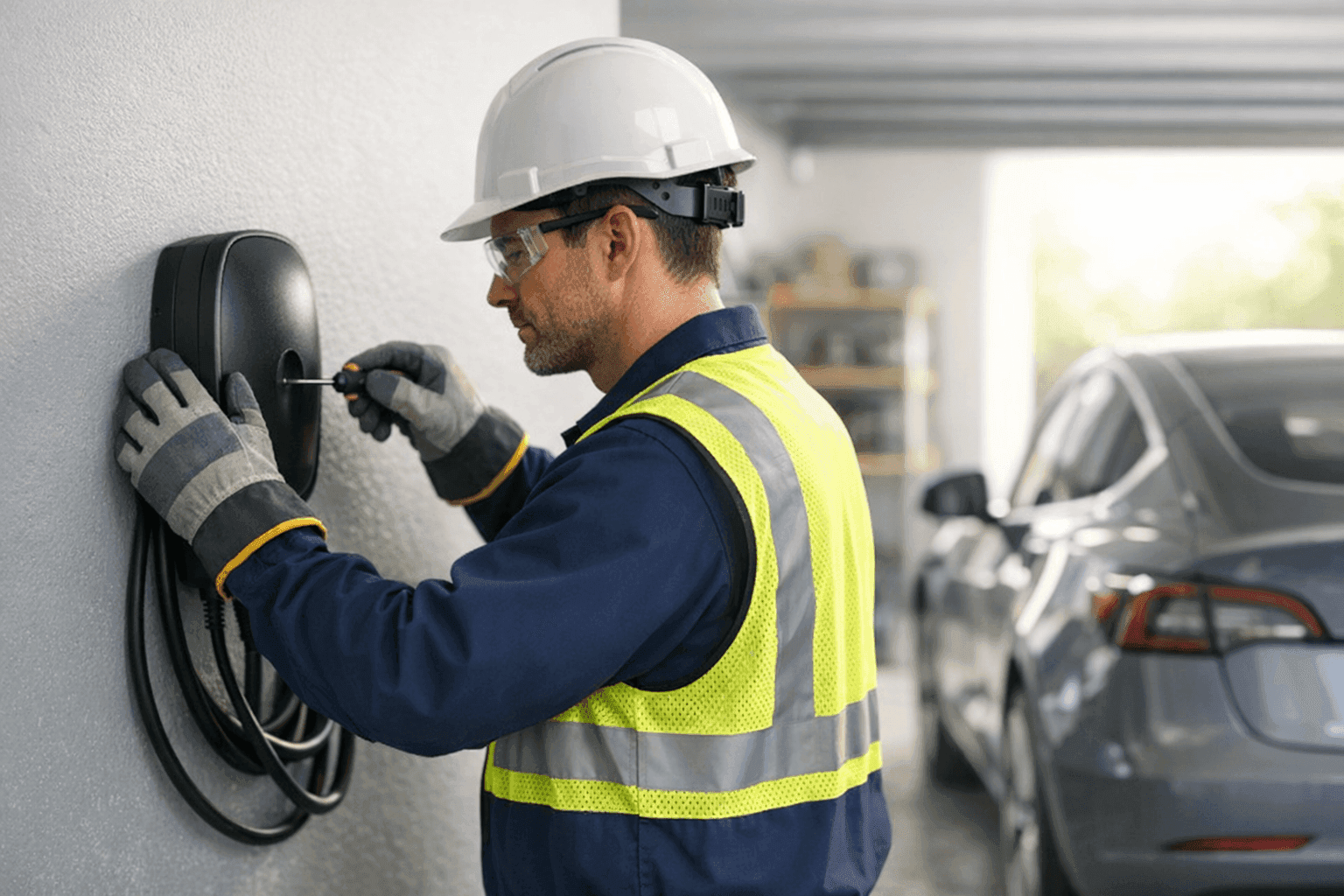
Are you thinking about installing an electric vehicle (EV) charger at home? Maybe you’ve just driven your new EV off the lot or you’re tired of waiting at public charging stations. Charging at home is convenient, efficient, and lets you wake up to a “full tank” every morning.
But here’s the catch: getting it right takes safe wiring, the right permits, and maintenance. That’s why Angelic Electric is here to help you avoid common pitfalls and give you the confidence you need to charge your EV safely—right in your own garage.
Types of Home EV Chargers ⚡
Home chargers aren’t all built the same. You’ll hear about Level 1 and Level 2 chargers most often. Here’s what you need to know:
- Level 1 Charger: Plugs into a standard 120-volt outlet (like your kitchen toaster). It’s slow—think of it as a gentle trickle, adding 3–5 miles of range per hour. Good for overnight charging if you drive short distances.
- Level 2 Charger: Needs a dedicated 240-volt circuit (like your dryer or oven). This is the sweet spot for most homeowners. It charges 4 to 6 times faster than Level 1, adding 20–30 miles of range per hour.
If you want to future-proof your charging or have more than one EV, Level 2 is the way to go. These chargers often come with smart features, like scheduling and energy monitoring.
Installation Requirements and Permits
Before you start, know that installing an EV charger isn’t just plug-and-play. Electrical codes (like the National Electrical Code, NEC Article 625) require proper wiring, grounding, and breaker sizing. Most cities also require a permit for new installations.
Why permits matter:
- They ensure your system is safe and up to code.
- They protect your home insurance and resale value.
- Inspections catch mistakes before they become hazards.
If you’re planning to install a Level 2 charger, you’ll likely need to upgrade your electrical panel or add a dedicated circuit. This is when a licensed electrician is essential. They’ll assess your home’s electrical load, recommend proper wiring and circuits, and pull the necessary permits.
Safety and Maintenance Tips
Think of your home’s electrical system like the heart of your house. A healthy system keeps everything running; one loose wire can spell disaster. Here’s how to keep things safe:
- Inspect outlets & switches near you for signs of wear or overheating.
- Don’t overload circuits. Your new EV charger should have its own dedicated line.
- Use surge protection to guard against lightning and power surges.
- Schedule regular electrical safety inspections, especially after a new install.
Choosing the Right Location
Location is everything. The best spot for your EV charger is usually:
- As close as possible to where you park your car.
- Near your electrical panel to minimize wiring costs.
- In a dry, well-ventilated area (garages are ideal).
Think ahead: Will you need to charge two cars someday? Is your charger cord long enough to reach the port? Is there enough lighting for nighttime plug-ins? These questions save headaches later.
Professional Installation Process
A professional electrician does more than just hang a box on your wall. Here’s what to expect when you call Angelic Electric:
- Assessment: We check your panel, wiring, and available circuits.
- Planning: We help you pick the charger location for safety and efficiency.
- Permits & Code Compliance: We handle the paperwork so the job is legal and safe.
- Installation: We install new wiring and circuits as needed, mount the charger, and test everything.
- Inspection: The local inspector gives final approval—no shortcuts.
Quick Safety Checklist
- Never use extension cords with your EV charger.
- Make sure your charger is properly grounded.
- Check for signs of heat, discoloration, or strange smells.
- Test GFCI (ground-fault circuit interrupter) protection monthly.
DIY or Call a Pro?
Installing a Level 1 charger might seem as easy as plugging in a lamp. But Level 2 chargers need serious electrical work. If you’re not sure what’s inside your walls, call a professional. Mistakes can mean tripped breakers, electrical fires, or voided warranties.
Remember: A safe installation protects your car, your home, and everyone inside.
What Electricians Do On Arrival
When the Angelic Electric team arrives, expect us to:
- Review your goals (speed, smart features, future needs).
- Inspect your current wiring & circuits.
- Measure distances for efficient wiring.
- Discuss panel upgrades if your system is maxed out.
- Explain every step in plain English.
We treat your home as if it’s our own—respectful, tidy, and thorough.
Prevention & Maintenance
Once your charger is up and running, it’s easy to forget about it. But routine care keeps it charging safely:
- Wipe down the unit to keep dust and debris out of vents.
- Coil cords carefully—no kinks or sharp bends.
- Schedule annual checks of outlets, switches, and wiring.
- Keep an eye on your circuit breaker—if it trips, call us.
Costs & Time Factors
Most Level 2 charger installations can be completed in a few hours, but panel upgrades or long wiring runs may take longer. Costs depend on:
- Distance from panel to charger.
- Home’s wiring age and condition.
- Permitting fees in your area.
- Charger brand and features.
A professional electrician can give you a clear estimate after a quick walk-through.
When It’s an Emergency
If you smell burning, see sparks, or your charger gets hot to the touch—unplug immediately and call for emergency service. Electricity is invisible but powerful. Don’t take chances.
FAQ
Q: Can I use my dryer outlet for an EV charger?
A: Not safely. Each high-powered appliance should have its own dedicated circuit.
Q: Do I need Wi-Fi for my charger?
A: Only if you want smart features like scheduling or energy tracking.
Q: What about outdoor installations?
A: Outdoor-rated chargers must be installed with weatherproofing and GFCI protection.
Seasonal Considerations
Extreme cold or heat can affect charging efficiency. Keep the charger sheltered from rain and snow. If you live in an area with salty air or dust, check for corrosion and clean connections regularly.
Common Mistakes to Avoid
- Skipping permits and inspections.
- Using undersized wiring.
- Ignoring manufacturer’s installation instructions.
- Mounting the charger in a spot that blocks walkways.
Signs of Trouble
Watch for these warning signs:
- Breakers that trip regularly.
- Loose, warm, or cracked outlets.
- Cords that feel hot or look worn.
- Strange noises from the charger.
If you notice any of these, it’s time for a safety check.
Timeline & Disruption
Most installations are done in a day, with minimal disruption. However, if panel upgrades or new wiring runs are needed, plan for a longer window. Your electrician will keep you informed every step.
Materials and Equipment
A safe installation uses:
- Proper gauge wiring and quality breakers (per NEC standards).
- GFCI protection.
- Weatherproof boxes and covers for outdoor units.
- Sturdy mounting hardware.
No shortcuts, no cheap parts.
Finding the Right Electrician
Look for a licensed, insured electrician with experience in EV charger installations. Ask about their process, permits, and safety checks. Reliable pros will walk you through the job and won’t cut corners.
If you’re in the area and searching for help with Wiring & Circuits, Angelic Electric is standing by 24/7.
Ready to power up your EV—safely and reliably? Call Angelic Electric now — or reach us anytime at 844-440-1817 .