How to Integrate Pool & Spa Electrical Systems Safely
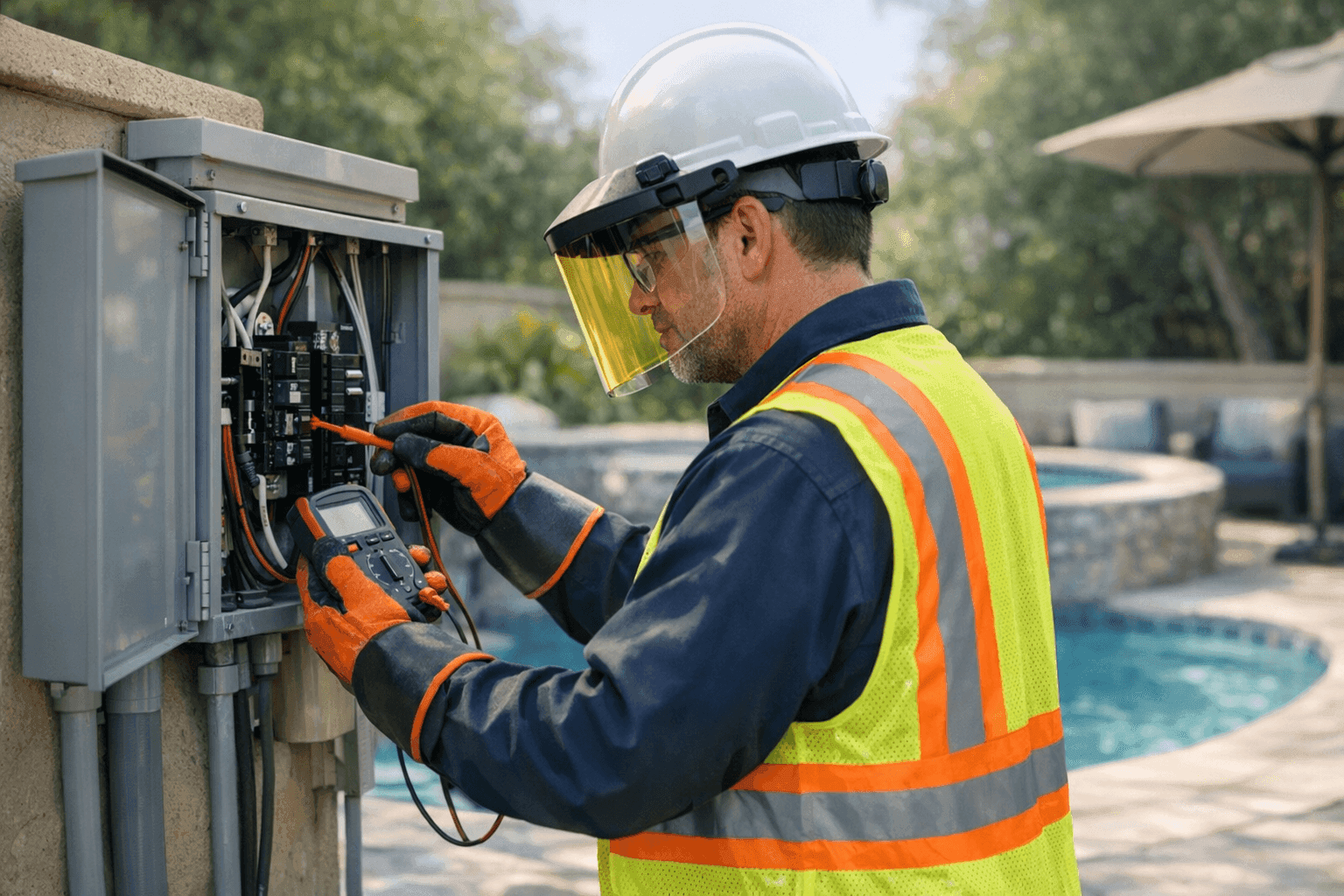
When summer hits, there’s nothing better than a dip in your own pool or a soak in the backyard spa. But water and electricity are like oil and fire—they just don’t mix. At Angelic Electric, we’ve seen how quickly convenience can turn dangerous if pool and spa electrical systems aren’t handled with care.
If you’re adding a new pool, remodeling your spa, or just want peace of mind, it’s vital to understand the risks, requirements, and best practices. Let’s break down what every homeowner should know.
Common Electrical Hazards Around Pools & Spas ⚡
Water is a powerful conductor. Even a minor electrical mistake near your pool or spa can have serious consequences. Here’s what homeowners should watch for:
- Faulty wiring: Old or exposed wires can send electricity straight into the water.
- Improper grounding: Without safe grounding, stray currents can travel through water, metal ladders, or rails.
- Missing or broken GFCI outlets: Ground Fault Circuit Interrupters are your first line of defense. If these fail, the risk of shock rises dramatically.
- DIY fixes gone wrong: Well-meaning repairs often skip essential safety steps, unintentionally making things worse.
- Damaged light fixtures: Pool lights must be rated for underwater use. Cracks or leaks can let water reach live wires.
Imagine your pool as a magnet for fun—but also, potentially, for electrical hazards. That’s why every connection, circuit, and outlet needs professional attention.
Safe Installation Practices
Integrating a pool or spa electrical system is not a weekend project. Safety comes from experience, attention to detail, and following proven procedures.
- Dedicated circuits: Pools, spas, and their pumps should each have their own circuit, separate from the rest of your home.
- Proper conduit: All wiring must be run through rigid, waterproof conduit rated for outdoor and underground use.
- Bonding and grounding: Think of this as the safety net. Every metal part—rails, ladders, even some deck hardware—needs to be bonded (connected) to prevent stray current.
- GFCI everywhere: Every outlet and switch within 20 feet of water should have GFCI protection. This includes pool lights, pumps, and even outdoor speakers.
- Weatherproof boxes: Electrical boxes and covers must be rated for exterior use and sealed tight against moisture.
Cutting corners here is like building a sandcastle on the tide line—it’s only a matter of time before trouble arrives.
Code Requirements for Outdoor Systems
Every pool and spa installation must meet strict local and national electrical codes. These aren’t just recommendations—they’re enforced for safety.
The National Electrical Code (NEC), specifically Article 680, covers pools, spas, and hot tubs. Key points:
- GFCI protection is mandatory for lights, pumps, and outlets within 20 feet.
- Bonding of all conductive parts—including rebar in concrete pools.
- Minimum burial depths for wiring. Shallow trenches invite danger.
- Listed and labeled equipment: Only use fixtures and panels designed for pool or spa use.
- Distance rules: Outlets and switches must be placed at safe distances from the water’s edge.
Always verify your city’s guidelines—they often add extra safety rules. For more, check the National Fire Protection Association (NFPA 70).
Maintenance and Inspections
Pools and spas are not “set it and forget it” features. Like your car, they need regular checkups.
- Annual electrical safety inspections are a must. A certified electrician will check for outdated wiring, corroded connections, and any code violations.
- Test GFCIs monthly: Press the “test” and “reset” buttons to ensure they work.
- Check for moisture: Open covers after storms or heavy use. Water in boxes or outlets is a red flag.
- Inspect lights and fixtures: Look for cracks, flickering, or anything that seems off.
- Look for tripping breakers: Frequent trips mean a deeper issue.
Want a professional eye on your setup? Our Electrical Safety Inspections service can help keep your pool zone safe.
When to Call a Certified Electrician
Some projects and repairs are simply too risky for DIY—even for the handy homeowner.
Call a licensed electrician if:
- You’re adding a new pool, hot tub, or spa.
- Any electrical component near water is sparking, buzzing, or warm to the touch.
- GFCI outlets trip repeatedly or won’t reset.
- You notice corroded wires, rusted boxes, or exposed metal.
- The breaker for your pool equipment won’t stay on.
- Lights flicker or won’t turn on.
In short: If you’re not sure, don’t touch it. Electricity around water is a job for a professional.
Quick Safety Checklist
Before your first swim of the season, walk through this list:
- All outlets, switches, and panels at least 6 feet from the water?
- GFCIs tested and functional?
- Pool light covers intact and secure?
- No visible wires, corrosion, or rust?
- Bonding wires in place on all metal parts?
- Panels and boxes closed, dry, and locked?
If you answer “no” to any, it’s time for a tune-up.
DIY vs. Professional Installation
Changing a bulb? Go for it. But when it comes to new circuits, panel upgrades, or underground wiring, let a certified electrician handle it.
Why? Because hidden mistakes can be fatal. Professional installation means:
- Everything is up to code.
- Permits are pulled and inspections passed.
- Bonding and grounding are properly handled.
- You have peace of mind, not just a finished project.
What Electricians Do On Arrival
When you call Angelic Electric for pool-and-spa-electrical work, here’s what to expect:
- Inspect your existing setup for hazards.
- Check bonding, grounding, and GFCI protection.
- Test all circuits, outlets, and fixtures.
- Repair or replace damaged components.
- Give you a clear report and answer your questions.
It’s not just about fixing problems—it’s about making your backyard oasis truly safe.
Prevention & Maintenance Tips
Keep your pool and spa safe all year with these habits:
- Never use extension cords for pool equipment.
- Cover outdoor outlets when not in use.
- Replace weather-damaged covers and boxes promptly.
- Schedule annual Wiring & Circuits inspections.
- After storms, check for signs of water intrusion.
These steps are small, but they build a wall between your family and electrical risks.
Costs & Time Factors
How much does it cost to upgrade or repair pool and spa electrical systems? It depends—on the scope, age of your home, and any hidden problems. Most jobs, from GFCI upgrades to new circuits, can be completed in a day or two. But if rewiring or new panels are needed, plan for a bit more time.
Investing in safety is always cheaper than recovering from an accident. The right work now saves money—and lives—later.
When It’s an Emergency
Some electrical problems can wait a day. Others demand immediate action. If you see smoke, sparks, or feel a shock near your pool, shut off power at the breaker and call for emergency service.
Angelic Electric offers 24-hour help, so you’re never left in the dark when it matters most.
FAQ: Pool & Spa Electrical Safety
Q: Can I use regular outdoor outlets for my pool pump?
A: No. Only GFCI-protected outlets rated for wet locations are safe and code-compliant.
Q: How often should I get my pool’s electrical system inspected?
A: At least once a year, or whenever you notice signs of trouble.
Q: Is bonding really necessary if I have GFCIs?
A: Absolutely. GFCIs and bonding do different jobs, and both are critical.
Seasonal Considerations
Spring is the perfect time for electrical safety checks—before swimming season starts. In fall, shut down equipment and check for weather damage. Winterize outdoor electrical boxes if you live in a freeze-prone area.
Common Mistakes to Avoid
- Using indoor-rated wiring outdoors.
- Skipping permits or inspections.
- Forgetting to bond new metal handrails or ladders.
- Relying on old or untested GFCIs.
- Ignoring flickering lights or tripped breakers.
Signs Your System Needs Attention
- Lights that dim or flicker when pumps turn on.
- Outlets or switches that feel warm.
- A tingling feeling when touching pool rails or water.
- Breakers that trip every time you turn on equipment.
Don’t ignore these warning signs—they’re the electrical system’s way of asking for help.
Timeline & Disruption
Most pool and spa electrical projects can be finished quickly, with minimal disruption. Angelic Electric works efficiently, keeping your yard clean and your schedule in mind. Sometimes, you might need to stay out of the pool for a day while work is completed. But safety always comes first.
Materials & Equipment We Use
Only the right materials will do:
- Underground-rated conduit and wiring.
- GFCI outlets designed for wet locations.
- Bonding wire sized to code.
- Weatherproof boxes, covers, and switches.
No shortcuts, no substitutions.
Your Next Step: Safe, Worry-Free Pool & Spa Enjoyment
A pool or spa should be a source of joy, not anxiety. Getting the electrical system right is the first step. Whether you’re planning, upgrading, or just want a safety check, Angelic Electric is here to help.
Looking for a trusted electrician company for Pool & Spa Electrical in the area? See how we serve your neighbors in our electrician page.
Call Angelic Electric now — or reach us anytime at 844-440-1817 .