Why You Need Professional Electrical Fault Finding in Your Home
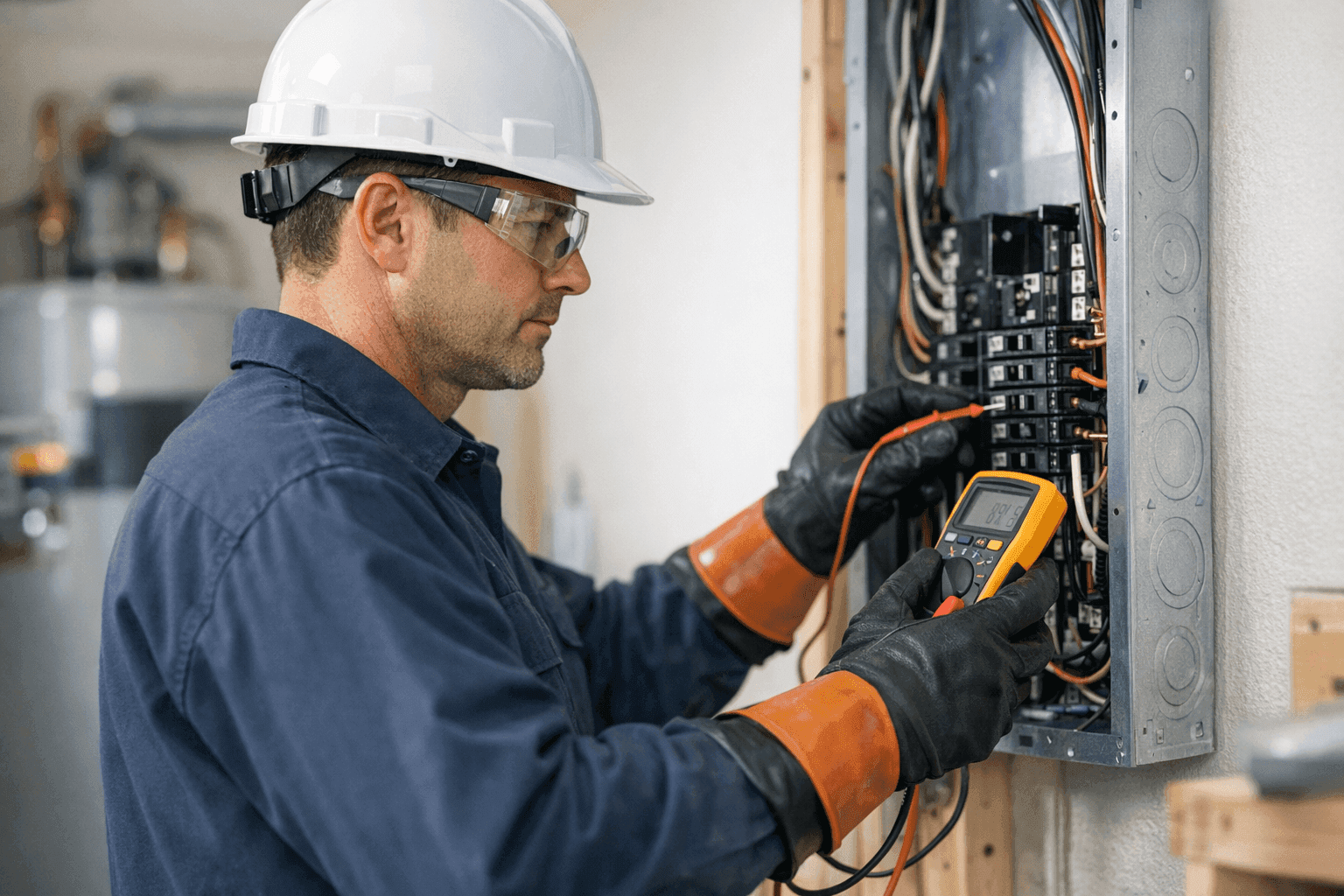
Is there a strange buzzing sound coming from your outlets? Maybe a light flickers for no reason, or a breaker keeps tripping at the worst possible moment. These are more than annoyances—they’re warning signs your home’s electrical system needs attention now.
Electrical faults can be silent and sneaky, hiding behind walls, waiting to become a much bigger problem. At Angelic Electric, we know how quickly a small issue can become an emergency. That’s why professional fault finding is at the heart of what we do.
What Is Electrical Fault Finding? 🧐
Think of electrical fault finding as detective work for your home’s wiring. Every circuit, switch, and outlet forms part of a hidden map. When something goes wrong, an electrician traces the clues—smells, sounds, flickers—until the source is uncovered.
It’s more than just flipping breakers or swapping out outlets. Fault finding is a systematic process, using specialized tools and years of experience to uncover hidden dangers before they turn into fires, shocks, or costly repairs.
Common Home Electrical Faults
Why do electrical faults appear in the first place? Here are some of the most common culprits Angelic Electric sees in homes:
- Tripped breakers that won’t reset
- Flickering or dimming lights (not just old bulbs)
- Buzzing or crackling outlets and switches
- Warm or discolored wall plates
- Frequent blown fuses
- Dead outlets or switches
- Burning smells near panels or outlets
- Unexplained power outages in specific rooms
These signs can point to overloaded circuits, loose connections, faulty wiring, or even aging electrical panels. Sometimes the fault is obvious, but often, it’s hidden deep within the walls.
The Professional Diagnostic Process
A professional electrician approaches fault finding like a seasoned detective. Here’s what you can expect when you call Angelic Electric for fault-finding:
- Initial safety check: The area is inspected for immediate hazards—burn marks, arcing, or exposed wires.
- Symptom review: We’ll ask about what you’ve noticed—when the problem started, what devices were in use, and any patterns.
- Testing with precision tools: Using voltage testers, multimeters, and sometimes thermal imaging, we test outlets, switches, and panels for abnormal readings.
- Tracing circuits: We map and isolate circuits to pinpoint the fault’s location without tearing up your walls.
- Code review: All findings are checked against the National Electrical Code (NEC) and local requirements for compliance.
- Clear explanation: We share our findings and explain the safest, most effective repair options for your home.
Why DIY Fault Finding Falls Short
It’s tempting to grab a screwdriver and poke around when an outlet stops working. But home electrical systems are more like a delicate spider web than a simple rope. Tug the wrong strand, and you risk tangling the whole thing—or worse.
DIY attempts can:
- Miss hidden faults, allowing problems to fester
- Create new hazards, like shocks or fire risks
- Void home insurance or fail safety inspections
- Lead to costly, unnecessary repairs
Professional electricians have the training, certification, and tools—like insulated testers and circuit analyzers—to work safely and thoroughly. According to the National Fire Protection Association (NFPA), electrical failures are a leading cause of house fires. Don’t take chances with your safety.
Preventing Future Faults
The best way to deal with electrical faults? Stop them before they start. Here’s how:
- Schedule regular electrical safety inspections (Repairs near you are a smart investment)
- Upgrade aging wiring—especially in homes built before 1980
- Install surge protection to guard against power spikes
- Replace old panels and breakers before they fail
- Avoid overloading outlets with too many devices
And don’t forget, any changes—new appliances, remodels, or additions—should always be checked by a professional electrician.
Signs It’s Time to Call an Electrician
Sometimes, the signs of trouble are obvious. Other times, they’re subtle. Here’s when to pick up the phone:
- Outlets or switches feel hot
- Lights dim when you use appliances
- You hear buzzing, popping, or sizzling
- Fuses blow or breakers trip repeatedly
- You smell burning or see scorch marks
Don’t wait for a small problem to become a crisis. Electrical issues rarely fix themselves.
What Happens When Professionals Arrive
Expect more than a quick fix. Angelic Electric’s team arrives with a plan, the right equipment, and the goal of keeping your home safe.
- We listen to your concerns—nothing gets ignored
- Protective gear keeps your home clean and safe
- Diagnostics are thorough, not rushed
- Repairs are made using code-approved materials
- We test everything before we leave
It’s a methodical approach that gives lasting peace of mind.
Fault Finding and System Longevity
Fixing faults isn’t just about today—it’s an investment in your home’s future. Unresolved issues wear down circuits, shorten the life of outlets, and can even damage expensive appliances.
When you address faults early, you:
- Extend the lifespan of your wiring and electrical panels
- Reduce the risk of future breakdowns
- Lower the chances of fire and shocks
- Keep your insurance coverage intact
The Cost of Delaying Repairs
Putting off electrical repairs is like ignoring a leaky roof. The problem gets bigger (and more expensive) over time.
- Minor issues become major rewiring jobs
- Energy bills rise due to inefficient circuits
- Property values can drop if safety is compromised
- Safety certifications may be denied when selling your home
A small investment in professional repairs today saves money and stress tomorrow.
Tools Only the Pros Use
Ever wonder why electricians carry so many tools? Here’s a peek inside the toolbox:
- Non-contact voltage testers—for safe, hands-off checks
- Multimeters—for measuring voltage, current, and resistance
- Circuit tracers—to follow wiring without opening walls
- Thermal imagers—to spot hot spots invisible to the eye
- Insulation resistance testers—to check wire health deep in the system
These tools make diagnostics faster, safer, and far more accurate than guesswork.
Electrical Safety Codes Matter
Safety isn’t just good practice—it’s the law. Professional electricians follow the National Electrical Code (NEC) and local regulations on every job. Inspections catch code violations, like undersized wires or missing GFCI protection, that could put your home at risk.
Following code means your insurance stays valid, and your home is as safe as possible.
Emergency Situations: What to Do
Some electrical faults can’t wait. If you notice:
- Burning smells
- Smoke from outlets or panels
- Sparking or visible arcing
Turn off power at the main breaker—if it’s safe. Leave the area and call a professional electrician immediately. Angelic Electric offers 24-hour emergency service for situations just like this.
Fault Finding for Modern Homes
Today’s homes are more connected than ever—think smart devices, EV chargers, and intricate lighting. This means more opportunities for faults to develop. Our team is trained in:
- Home automation troubleshooting
- High-voltage and low-voltage systems
- EV charger diagnostics
- Pool and spa electrical safety
No matter how high-tech your home, our process stays thorough and safe.
Minimizing Disruption During Repairs
Worried about mess or downtime? Professional fault finding focuses on precision. We use tools that limit the need to open walls or disrupt your daily routine. Most repairs are completed the same day, and we always clean up before we leave.
Seasonal Considerations
Electrical faults don’t take a holiday. But certain times—like winter storms or summer AC season—can put extra strain on your system. Schedule a check-up before these peak periods to avoid unexpected outages or hazards.
Frequently Asked Questions
How often should I schedule a professional electrical inspection?
We recommend every 3–5 years for most homes, or any time you notice signs of trouble.
Is it safe to reset a tripped breaker myself?
If it trips more than once, or won’t reset, call a professional. Frequent tripping signals a deeper issue.
Can you help with older wiring?
Absolutely. We specialize in Wiring & Circuits for homes of all ages.
What about permits and code compliance?
Every job meets current code and safety requirements. We handle permits, so you don’t have to worry.
Are your services available in my area?
If you need an electrician company you can rely on in Portland, check out our electrician company page for Portland for more details.
When it comes to electrical faults, what you can’t see can hurt you. For peace of mind and a home that’s truly safe, don’t leave it to chance. Call Angelic Electric now — or reach us anytime at 844-440-1817 .