How to Prepare for a Home Electrical Inspection (and Pass the First Time)
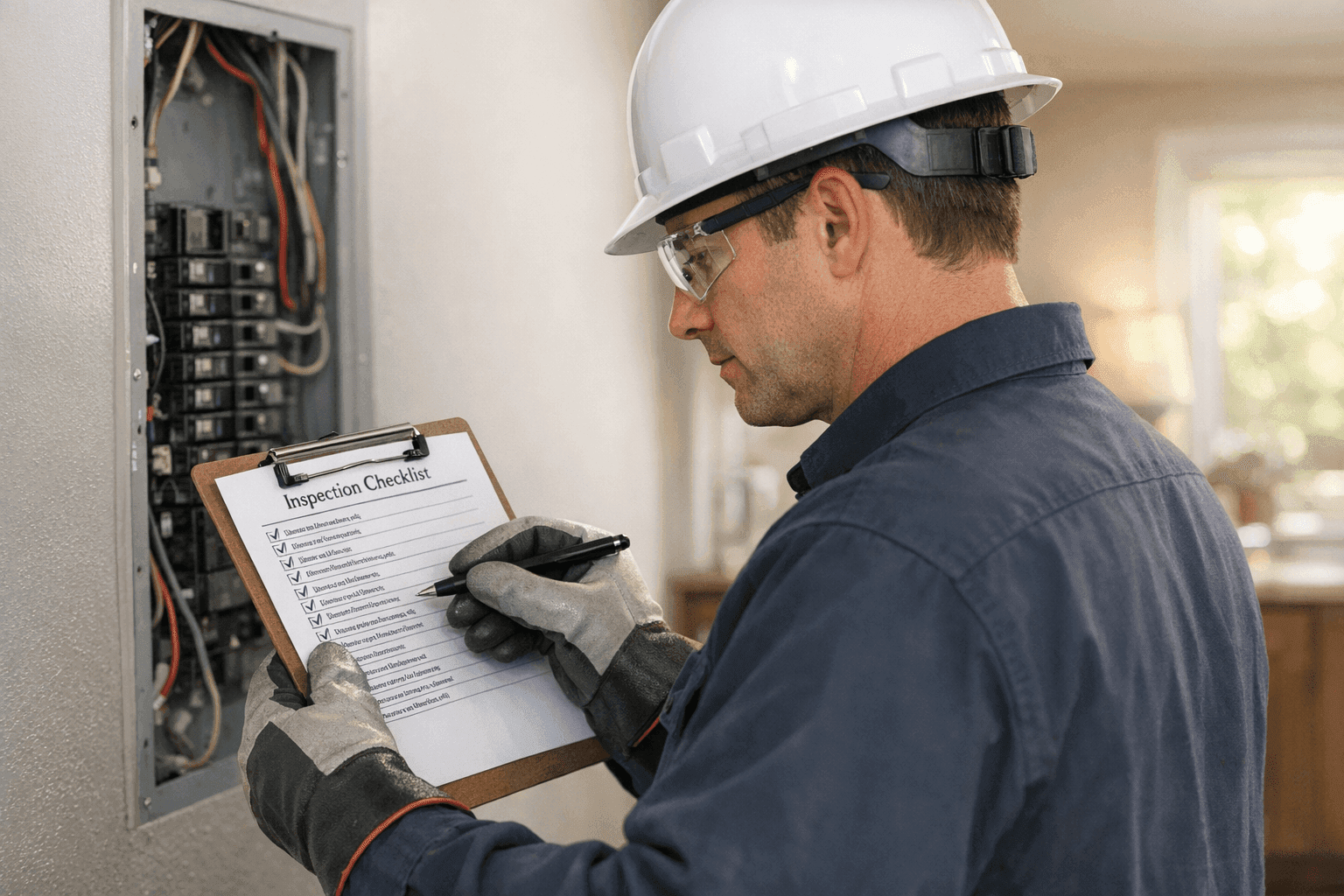
Are you staring at your breaker box and wondering if it’s ready for an inspection? You’re not alone. Electrical inspections can feel like a pop quiz on a subject you never studied, but a little preparation goes a long way. At Angelic Electric, we help homeowners like you sail through inspections—no sweaty palms required.
Let’s take the stress out of the process and get your home ready for that all-important safety check.
Why Inspections Are Important ⚡
Electrical inspections aren’t just a box to tick for city permits or home sales. They’re your home’s annual physical—catching hidden dangers before they spark bigger problems. According to the National Fire Protection Association (NFPA), electrical failures or malfunctions are the second leading cause of U.S. home fires. Inspections help protect your family, property, and peace of mind.
Whether you’re remodeling, buying, or just due for a checkup, a licensed electrician can spot issues you might miss. These checks also keep you in line with the National Electrical Code (NEC)—the gold standard for safe wiring and installations.
Common Issues That Fail Inspections
A failed inspection doesn’t mean your house is falling apart. Most issues are fixable, but knowing what trips people up can save time and money. Here’s what inspectors often flag:
- Outlets & switches wired backward or showing signs of wear
- Overloaded circuits or double-tapped breakers
- Missing or broken GFCI/AFCI protection, especially in kitchens and bathrooms
- Ungrounded outlets (two-prong instead of three-prong)
- Loose, exposed, or unprotected wiring in attics, garages, or crawl spaces
- Improperly installed ceiling fans or light fixtures
- Outdated or damaged electrical panels
- No working smoke or carbon monoxide detectors
- Extension cords acting as permanent wiring
These are more common than you think. Taking care of them before the inspection puts the odds in your favor.
How to Prepare Effectively
Think of prep as spring cleaning for your electrical system. It’s about clearing clutter, fixing obvious problems, and gathering the right paperwork.
Documentation and Permits
Start with the basics—paperwork. Inspectors often want to see:
- Approved permits for recent electrical work
- Diagrams or plans, if you’ve done major renovations
- Receipts for equipment upgrades (think panels, generators, or new wiring)
- Records of past electrical Safety Checks or Maintenance
If you can’t find something, contact your electrician or local building department. Having your paperwork in order shows you take safety seriously.
What to Expect on Inspection Day
Inspection day can feel like waiting for a report card. Here’s what usually happens:
- The inspector arrives and reviews your permits and documentation.
- They’ll check your main panel, breakers, and wiring for code compliance.
- Outlets & Switches near you are tested for grounding and polarity.
- GFCIs and AFCIs are tripped to make sure they work properly.
- Kitchens, bathrooms, laundry rooms, and outdoor areas get extra attention.
- Smoke detectors and carbon monoxide alarms are tested for proper function.
Expect the inspector to ask questions about recent work or any issues you’ve noticed. Honesty helps—if you’ve had flickering lights or tripping breakers, mention it.
Quick Safety Checklist Before Inspection
Use this as your pre-flight checklist:
- Test all smoke and CO detectors (replace batteries if needed)
- Check that all outlets and switches work and aren’t cracked or warm to the touch
- Make sure your electrical panel is accessible (clear out boxes or clutter)
- Replace any missing outlet or switch covers
- Look for exposed wiring—cover or repair it
- Confirm GFCIs work in kitchens, bathrooms, and outdoors (press “Test,” then “Reset”)
- Secure any loose light fixtures or ceiling fans
- Unplug extension cords used as “permanent” wiring
If you’re unsure about anything, snap a photo and ask your electrician.
DIY vs. Call a Professional
Some fixes are safe for handy homeowners—like replacing outlet covers or testing detectors. But if you spot burnt outlets, buzzing panels, or tangled wiring, don’t go it alone. Electricity isn’t forgiving. For repairs, rewiring, or anything inside the panel, hire a licensed electrician.
Remember, even experienced DIYers call for backup when it comes to high-voltage wiring or code upgrades. Safety comes first.
What Pros Do On Arrival
When an Angelic Electric technician arrives, they don’t just look—they listen. We ask about recent electrical problems and walk through your home with a critical eye. Here’s what a full Electrical Safety Inspection covers:
- Visual check of all wiring, panels, and connections
- Testing outlets, switches, and GFCI/AFCI devices
- Evaluating surge protection and backup systems
- Inspecting low-voltage systems, doorbells, and intercoms
- Reviewing pool & spa electrical systems (if applicable)
- Verifying the health of smoke and CO detectors
We follow NEC guidelines, state regulations, and local codes. This isn’t just a checklist—it’s your blueprint for long-term safety.
Prevention & Maintenance Go Hand in Hand
Passing an inspection is great, but staying safe year-round is better. Schedule regular Safety Checks and maintenance every few years—or more often if your home is older or you’ve added big appliances.
Routine visits catch problems early. Think of it as a wellness plan for your electrical system.
Costs & Timing: What to Expect
A typical home inspection takes 1–2 hours, depending on the size and age of your house. Costs vary, but investing in a proper inspection beats the price of emergency repairs or insurance claims after a fire.
Plan ahead—inspections may be required before selling your home, renovating, or after major storm damage.
When It’s an Emergency
If you smell burning, see scorch marks, or lose power to half your home, don’t wait. Turn off the main breaker (if safe) and call for emergency service. Inspections are important, but urgent hazards come first.
Common Mistakes Homeowners Make
- Ignoring old two-prong outlets in favor of extension cords
- Painting over outlets or switches (bad news for connections)
- Blocking electrical panels with storage or furniture
- Skipping regular testing of GFCIs and smoke detectors
Little things add up. Avoid these pitfalls to keep your inspection (and home) running smoothly.
Signs of Trouble to Watch For
- Flickering or dimming lights
- Frequent breaker trips
- Buzzing sounds from outlets or panels
- Warm or discolored outlets
- Burning smells
Any of these warrant a call to an electrician. Don’t wait for your inspection to sound the alarm.
Timeline and Home Disruption
Worried about disruption? Most inspections are minimally invasive. Inspectors need easy access to electrical panels, outlets, and attic or crawl spaces. Clear a path to these areas before they arrive. Pets should be secured so the inspector can work safely.
Materials & Equipment to Have Ready
- Flashlight (for dark basements or attics)
- Step stool or ladder (if you need to access detectors)
- Notebook for jotting down findings or questions
You don’t need a toolbox—just a little preparation and open communication.
FAQ: Home Electrical Inspections
Q: Do I need to be home for the inspection?
A: Yes, someone 18 or older should be present to answer questions and let the inspector in.
Q: How often should I schedule inspections?
A: Every 3–5 years, or before major renovations, after buying a new home, or if you notice issues.
Q: What if I fail the inspection?
A: The inspector will give you a list of issues. Fix them promptly, then schedule a follow-up.
Seasonal Considerations
Winter storms, summer heat, and holiday lighting all put extra stress on home wiring. Before major weather changes, schedule a Safety Check. It’s a small step that can prevent big headaches.
Your Next Step: Pass the Inspection, Gain Peace of Mind
Preparing for a home electrical inspection doesn’t have to be overwhelming. By tackling common issues, organizing your paperwork, and knowing what to expect, you’ll breeze through the process. For homeowners in the area looking for reliable electrician services, Angelic Electric is here to help.
Call Angelic Electric now — or reach us anytime at 844-440-1817 .