How to Prepare Your Home for Power Outages: Essential Electrical Tips
When the lights go out, it’s more than just an inconvenience. It’s a test of how well you’ve prepared your home and family. At Angelic Electric, we know power outages can strike like a sudden summer storm—unexpected and disruptive. But with the right steps, you can keep your home humming safely, even in the dark.
Let’s walk through the key electrical tips every homeowner should follow before the next outage hits. This guide isn’t just for “someday.” It’s for right now, so you’re not left scrambling when the storm rolls in.
The Reality of Power Outages: Why Preparation Matters
A blackout can feel like a curtain dropping on your daily life. Lights flicker, appliances groan to a halt, and suddenly your familiar home feels unfamiliar. For families with kids, elderly relatives, or anyone relying on medical devices, the stakes are even higher.
Each year, thousands of homes lose power due to storms, downed lines, or overloaded circuits. According to the U.S. Department of Energy, these interruptions are becoming more frequent as weather patterns shift. Preparation isn’t just smart—it’s essential.
Start Here: The Quick Electrical Safety Checklist ⚡
Before the next outage, run through this quick list:
- Test all smoke and carbon monoxide detectors. Change batteries if needed.
- Locate flashlights and extra batteries. Keep them in easy-to-find spots.
- Check your backup generator. Ensure it’s fueled, oiled, and starts easily.
- Unplug sensitive electronics. This protects TVs, computers, and gaming consoles from surges.
- Know where your main electrical panel is. Label breakers for easy shut-off.
These steps might seem basic, but they’re your first line of defense.
Surge Protection: Your Home’s Electrical Umbrella
Think of power surges as lightning-fast tidal waves racing through your wiring. Appliances and electronics are like sandcastles—fragile, expensive, and easily swept away.
Whole-home surge protection is the best defense. Unlike power strips, these systems are installed at your main panel by a licensed electrician. They intercept dangerous spikes before they fry your devices. The National Electrical Code (NEC 2020, Article 230.67) now requires surge protection in new homes—a strong sign of its importance.
- Ask your electrician about whole-home surge protection.
- Supplement with high-quality surge protectors for sensitive outlets & switches near you.
Unplug and Protect: Guarding Your Valuables
When a storm is on the horizon or the lights start flickering, take a minute to unplug:
- Computers, TVs, and charging devices
- Game consoles and stereo equipment
- Kitchen gadgets like coffee makers and microwaves
Why? Unplugging is the simplest way to prevent surges from damaging your investments. It’s like lifting your valuables off the floor during a flood.
Backup Generators: Your Home’s Safety Net
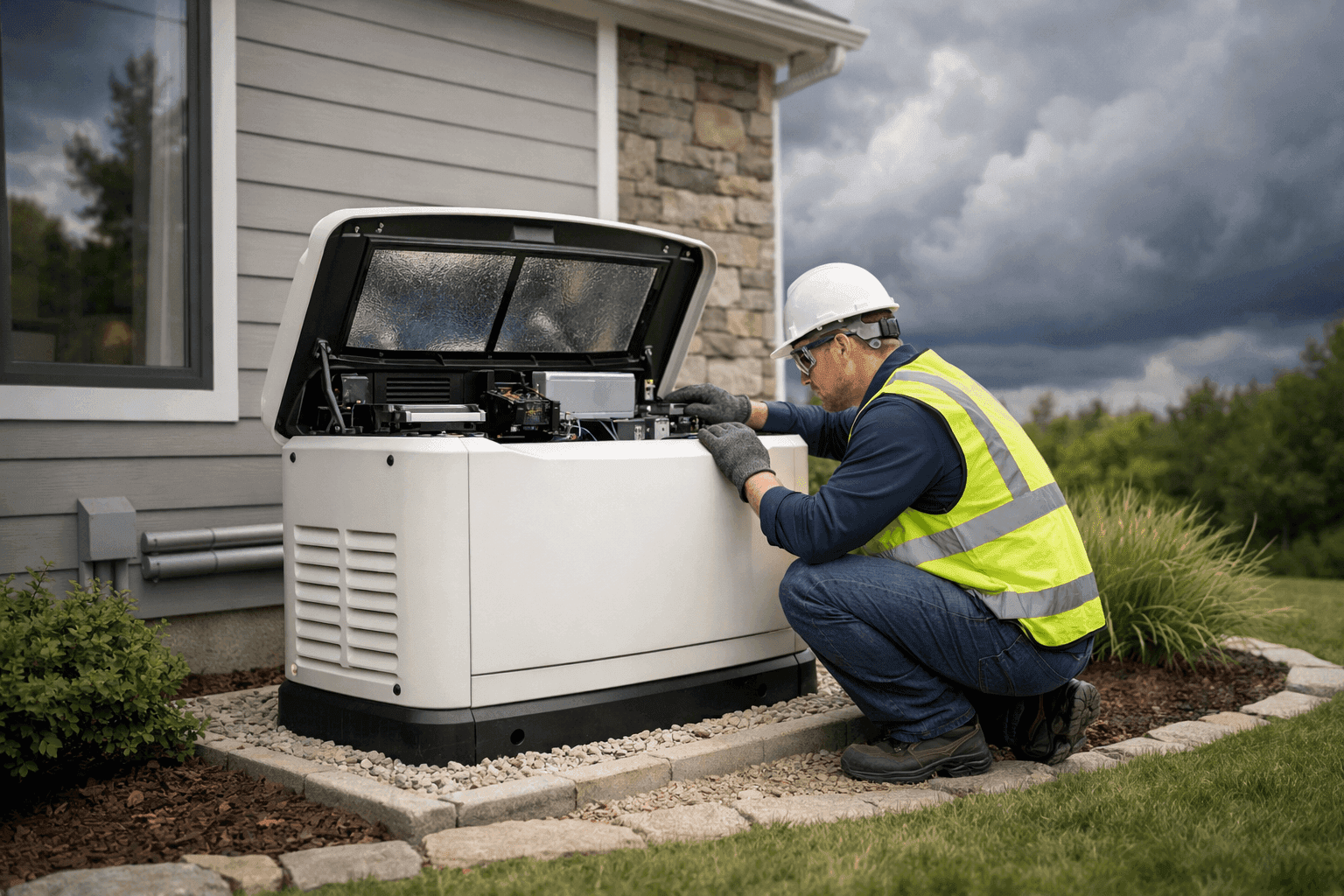
A reliable generator is a game-changer during an outage. Whether you have a portable unit or a whole-home standby system, it’s your bridge over troubled waters. But generators need love, too.
- Test your generator monthly. Start it up, check for strange noises, and ensure it powers your essentials.
- Check fuel levels and oil. Old fuel can gum up the system.
- Inspect cords and connections. Replace any worn or frayed parts.
If you’re considering an upgrade or first-time install, see our Backup Generators service for details on sizing, placement, and safety.
Generator Maintenance: Don’t Wait Until It’s Too Late
Generators are a bit like gym memberships—they only help if you use (and maintain) them. Follow the manufacturer’s guidelines, and schedule annual checkups with an electrician. Regular maintenance catches small issues before they become big problems.
- Replace filters and spark plugs as directed.
- Run the unit for 20-30 minutes monthly to keep parts lubricated.
- Store fuel safely, away from living areas.
A well-maintained generator is peace of mind you can count on.
Emergency Lighting: Keep the Path Lit 🕯️
When the sun goes down and the power stays off, darkness can be disorienting. Make sure your family can navigate safely:
- Install battery-powered LED lights in hallways and bathrooms.
- Keep flashlights in bedrooms and the kitchen.
- Consider motion-activated emergency lights for stairways.
Test these lights twice a year—daylight saving time is a handy reminder.
Safety Checks: Inspect Before the Storm
A little prevention goes a long way. Schedule a professional electrical safety inspection annually, especially before storm season. An electrician will:
- Look for loose wiring or outdated panels & breakers.
- Test outlets & switches near you for proper function.
- Check GFCI outlets in kitchens, bathrooms, and outdoor areas.
This is also a good time to ask about emergency service options for urgent issues.
Home Automation: Smarter Outage Response
Modern home automation can make life easier during outages. Smart thermostats, lighting, and alarm systems with battery backups keep your environment safe and comfortable, even when the grid goes down.
- Set up alerts for power loss or low battery.
- Program smart plugs to turn off non-essential devices when needed.
Ask your electrician about integrating these systems for seamless storm-readiness.
Family Storm-Readiness: Plans and Supplies
Preparation isn’t just about wires and circuits. It’s about people.
- Create an emergency plan: who calls whom, where to meet, who gathers supplies.
- Stock a kit with bottled water, non-perishable food, flashlights, and first-aid supplies.
- Review the plan with all family members, including kids.
Think of it as a fire drill, but for blackouts.
Outlets & Switches: The Front Line
Older outlets and switches can be weak links in your home’s safety chain. Have your electrician check for:
- Signs of wear, discoloration, or buzzing sounds.
- Loose outlets that wiggle or feel warm to the touch.
Upgrading to modern, tamper-resistant outlets adds another layer of protection, especially for homes with young children.
Pool, Spa, and Outdoor Systems: Don’t Overlook the Obvious 🌊
If you have a pool, hot tub, or outdoor kitchen, these systems need attention, too.
- Shut down pumps and heaters before a major storm.
- Secure any exposed wiring or extension cords.
- Schedule regular checks for outdoor panels and GFCIs.
Water and electricity are a risky mix—treat these areas with extra care.
Seasonal Considerations: Timing Is Everything
Every season brings unique challenges:
- Spring/Summer: Storms and hurricanes can knock out power for hours or days.
- Fall: Leaves and debris can clog outdoor vents and panels.
- Winter: Ice and snow stress outdoor wiring and generators.
Make a calendar reminder for seasonal electrical maintenance. Don’t let the changing weather catch you off guard.
When It’s an Emergency: Signs You Need Immediate Help
Not every outage is routine. Call for emergency service if you notice:
- Burning smells or charring near outlets or panels
- Flickering lights throughout the house
- Sparking, buzzing, or popping sounds
- Loss of power to critical systems (medical devices, sump pumps)
In these cases, safety comes first. Don’t try to troubleshoot dangerous problems yourself.
Professional Maintenance: Trust the Hands That Know
Some things are best left to the pros. A licensed electrician can:
- Inspect and service your backup generators
- Check critical circuits and connections
- Upgrade panels, breakers, and wiring for reliability
If you’re searching for an electrician company with a reputation for thorough, honest work, Angelic Electric is here for you.
Common Mistakes: What Not to Do
Even the best intentions can go awry. Avoid these pitfalls:
- Running generators indoors or in garages (carbon monoxide hazard)
- Overloading extension cords or circuits
- Ignoring buzzing or warm outlets
- Skipping regular maintenance
A little caution today saves a lot of headaches tomorrow.
FAQ: Your Power Outage Questions, Answered
How often should I test my generator?
Once a month, plus before major storms.
Is whole-home surge protection really necessary?
Yes—modern homes have more devices than ever, and surges can happen at any time.
Do I need a professional for backup systems?
Absolutely. DIY fixes can miss hidden hazards.
What’s the best way to prepare kids for outages?
Practice your emergency plan together, and keep comfort items handy.
Final Thoughts: Take Charge Before the Lights Go Out
Power outages are a fact of life—but being unprepared doesn’t have to be. With the right electrical prep, you can keep your home safe, comfortable, and connected, no matter what the weather brings.
Call Angelic Electric now — or reach us anytime at 844-440-1817 .