How to Prevent Electrical Hazards During Power Outages
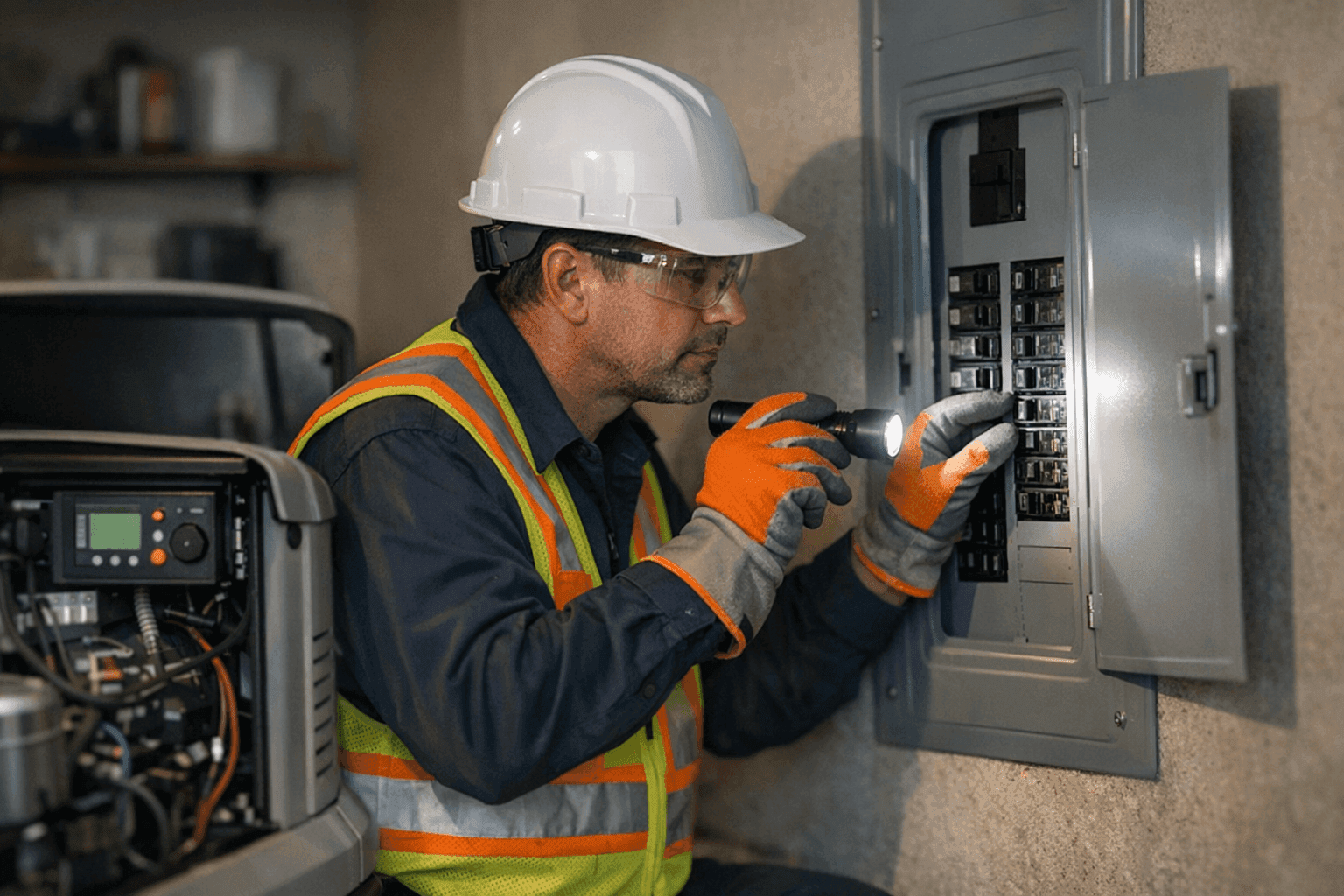
When the lights flicker out and silence fills your home, it’s easy to feel anxious. Power outages can bring more than inconvenience—they can create serious electrical hazards. At Angelic Electric, we understand how quickly a routine night can turn stressful, especially when your family’s safety is on the line.
Being prepared isn’t just about flashlights and candles. It’s about knowing what to do to keep your home safe. As experienced electricians helping families with Outlets & Switches near you, we’ve seen preventable mistakes turn scary. Let’s break down what you need to know, and what you should do, to stay safe when the power goes out.
Common Electrical Hazards During Outages ⚡
When the power fails, your home’s electrical system can behave in unexpected ways. Hazards often go unnoticed—until it’s too late.
- Backfeeding: Plugging generators into wall outlets can send electricity back through the grid, putting utility workers and neighbors at risk.
- Overloaded Circuits: Turning everything back on at once after an outage can overload your system, causing breakers to trip or wires to overheat.
- Water Exposure: Flooded basements and wet appliances are a silent threat, especially after storms.
- Damaged Wiring: Fallen trees or power surges can weaken wires hidden inside walls.
According to the National Fire Protection Association (NFPA), electrical failures or malfunctions are a leading cause of home fires—especially during outages and during power restoration. Always treat every outage as an opportunity to double-check your safety habits.
Quick Safety Checklist for Power Outages
Keep this list handy for the next time the lights go out:
- Unplug sensitive electronics and appliances.
- Keep flashlights and extra batteries in known locations.
- Avoid using extension cords for high-wattage devices.
- Never run generators indoors or in garages.
- If you smell burning plastic or see smoke, turn off your main breaker and call for help.
Sometimes the smallest step—like unplugging your TV—can prevent costly damage.
Safe Generator and Circuit Use
Generators are a lifeline during outages, but only when used correctly.
- Never plug a generator directly into a household outlet. This can cause deadly backfeed. Instead, use a transfer switch installed by a licensed electrician.
- Keep generators outdoors, away from doors and windows, to prevent carbon monoxide poisoning.
- Use heavy-duty extension cords rated for outdoor and generator use.
- Don’t overload circuits. Prioritize essentials: fridge, medical devices, a few lights.
For proper setup, see our Backup Generators page.
What to Do When Power Returns
The moment power is restored can be the most dangerous.
- Wait before plugging everything back in. Sudden surges can damage electronics and start fires.
- Check for damage. Inspect outlets, switches, and appliances for unusual smells or discoloration.
- Reset circuit breakers one at a time, allowing your electrical system to stabilize.
Surge and Overload Protection
When power returns after an outage, surges can sweep through your wiring like a tidal wave. Sensitive electronics—TVs, computers, appliances—are especially at risk.
- Install whole-home surge protection with help from a qualified electrician.
- Use surge-protecting power strips for computers and entertainment systems.
- Consider a panel-based surge protector, which can be installed by specialists. Learn more on our Surge Protection page.
The National Electrical Code (NEC) recommends surge protection for new installations and major upgrades.
When to Call for Help
If you notice:
- Flickering lights after power returns
- A burning smell from outlets or your panel
- Sparking, buzzing, or popping sounds
- Water around outlets or your breaker panel
Don’t wait. These are clear warning signs that need professional attention. Emergency Service is available 24/7 from Angelic Electric to help prevent serious damage.
DIY vs. Professional Help
It’s tempting to troubleshoot on your own—but working with electricity isn’t like fixing a leaking faucet. Risks can be invisible and fast-moving. If you’re unsure, call an electrician rather than risking injury or property loss.
Prevention & Maintenance Tips
- Schedule annual electrical safety inspections to catch hidden issues before they cause problems.
- Test smoke and carbon monoxide detectors monthly.
- Have your panel and breakers checked for loose connections or signs of overheating.
- Consider upgrading old wiring, especially if your home is more than 30 years old.
Seasonal Considerations
Storms, snow, and heatwaves can all trigger outages. Prepare ahead:
- Trim trees near power lines before storm season.
- Keep backup batteries for phones and medical devices.
- Know where your main breaker is located and how to shut it off.
Common Mistakes During Outages
- Using candles as main lighting—fire hazard!
- Plugging too many devices into a single outlet.
- Ignoring strange sounds or smells from electrical equipment.
- Running extension cords under carpets or rugs.
Signs of Electrical Trouble After an Outage
Be alert for:
- Scorch marks or discoloration on outlets
- Hot switches or outlets
- Persistent tripping breakers
These red flags mean it’s time to call an electrician.
How Long Do Repairs and Recovery Take?
Simple fixes, like resetting a breaker, take minutes. But damaged wiring, fried outlets, or faulty panels can require more time—sometimes hours or days. Safety comes first, so don’t rush the process.
Disruption Timeline: What to Expect
After a major outage, expect some disruption:
- Inspection and troubleshooting (30–60 minutes)
- Repairs or replacements (varies)
- System testing and final safety check
A professional will keep you informed every step of the way.
Materials & Equipment You Should Keep On Hand
- Flashlights and batteries
- Surge-protecting power strips
- A small, portable generator (if needed)
- Heavy-duty extension cords
- Emergency contact numbers
Frequently Asked Questions
Q: Is it safe to use my oven or stove for heat during an outage?
No. This can cause carbon monoxide buildup and fire risk.
Q: Can I use my phone charger during an outage if I have a generator?
Yes—but only plug chargers into outlets that are properly connected to the generator.
Q: How do I know if my surge protection is working?
Check the indicator lights on your surge protectors. If in doubt, ask your electrician during your next inspection.
What the Pros Do On Arrival
When an electrician arrives after an outage:
- They inspect the main panel for damage.
- Test outlets & switches near you for safe operation.
- Use specialized tools to check for hidden faults.
- Advise on upgrades or repairs if needed.
You’re never alone—our team serves as your guide until your home is safe again. If you need a trusted electrician company to help with outage recovery, we’re here to help.
Final Thoughts: Stay Safe, Stay Prepared
Power outages are stressful, but with a plan in place, you can protect your home and family from hidden electrical dangers. Remember: safety first, every time the lights go out.
Call Angelic Electric now — or reach us anytime at 844-440-1817 .