How to Prevent Electrical Hazards When Remodeling Your Home
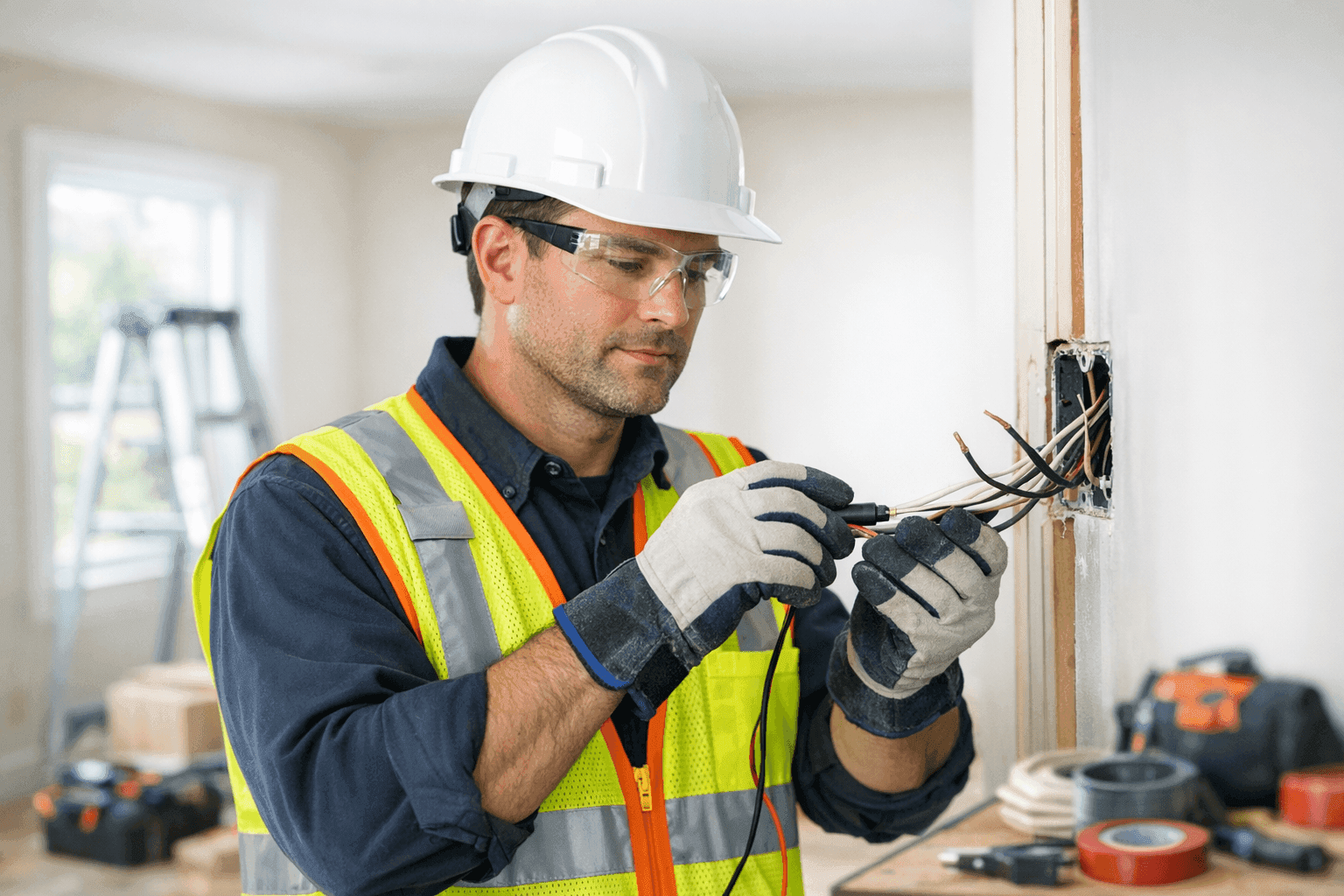
Remodeling your home is exciting. Fresh walls, new fixtures, the thrill of seeing your vision come to life. But electrical hazards? They can turn your dream project into a nightmare fast.
At Angelic Electric, we’ve seen what happens when wiring gets overlooked. A misstep in the remodel can spark more than inconvenience—it can risk your safety. Let’s walk through how to keep your project (and your family) shock-free.
Common Electrical Hazards During Remodeling ⚡
Remodeling shakes up your home’s bones. That means old wires get exposed, outlets move, and circuits face new demands. Here are the hazards that sneak in:
- Damaged Wiring: Sawdust, nails, or a stray drill can slice through hidden wires.
- Overloaded Circuits: Adding outlets & switches near you without checking panel capacity is like plugging too many gadgets into one socket.
- DIY Shortcuts: Taping wires or skipping junction boxes isn’t just risky; it’s a fire waiting to happen.
- Mixing Old and New: Connecting new fixtures to outdated wiring can overwhelm your system.
Even simple upgrades—like moving a ceiling fan or swapping light fixtures—can introduce risk if not handled properly. The National Fire Protection Association (NFPA) reports electrical failures cause thousands of home fires every year. Don't let your remodel be a statistic.
Planning for Safe Upgrades
Good planning is your best defense. Before picking up a sledgehammer:
- Map Your Project: Know where every outlet, switch, and light will go. Will you need to move panels or add circuits?
- Assess Capacity: Does your electrical panel support your new plans? A kitchen expansion or home office might push it over the edge.
- Schedule an Electrical Safety Inspection: A licensed electrician can spot hidden risks and ensure your blueprint won’t overload the system.
Think of your electrical system like your home’s nervous system. You wouldn’t want crossed wires causing chaos every time you use the toaster.
Code Compliance and Inspections
Electrical code isn’t just red tape—it’s decades of safety learning in action. Every remodel must meet the National Electrical Code (NEC), which updates every three years. Local codes might be even stricter.
- Permits Matter: Always pull the required permits. Skipping them can void insurance and put your family at risk.
- Inspections Save Lives: Inspectors aren’t just box-checkers; they ensure every wire, breaker, and outlet is safe for years to come.
- Document Everything: Keep records of upgrades and inspections. It’s essential for resale and peace of mind.
DIY Risks and When to Call a Pro
YouTube makes rewiring look easy. The reality? One missed step can mean fires, shocks, or ruined devices. If you’re wondering, “Should I do this myself?”—ask yourself:
- Are you comfortable shutting off and testing circuits?
- Do you know the local code for outlets & switches near you?
- Can you identify aluminum and copper wiring—and their risks?
If the answer is “no” (or even “maybe”), it’s time to call an electrician. Some jobs—like running new high-voltage lines or installing EV chargers—should always be left to the pros. For smaller tasks, a quick Safety Check can reveal hidden issues before you patch the drywall.
Post-Remodel Safety Checks
The paint is dry. The dust has settled. But before you move furniture back, schedule a post-remodel safety check. Here’s what to expect:
- Test All Outlets and Switches: Ensure everything is grounded and wired correctly.
- Check for Overloaded Circuits: New appliances or lighting can tip the balance.
- Smoke & Carbon Monoxide Detectors: Verify that all alarms are functional and properly placed.
- Label the Panel: Accurate labeling makes future troubleshooting much safer.
This step is your safety net—think of it as the final lap in a marathon, making sure you actually cross the finish line.
Quick Safety Checklist for Homeowners
Before and during your remodel, keep these tips close:
- Turn off power at the breaker before touching anything.
- Use outlet testers to spot miswiring.
- Don’t crowd extension cords or run them under rugs.
- Avoid water contact with any temporary wiring.
- Store tools and materials safely—tripping hazards can mean accidental wire pulls.
When It’s an Emergency
Sometimes, things go wrong:
- You smell burning plastic.
- Outlets are hot to the touch.
- Fuses blow repeatedly.
- You see sparks or flickering lights.
Don’t wait. Shut off power and call for emergency service immediately.
Common Mistakes Homeowners Make
Remodeling is a balancing act—budget, time, safety. Here’s where things often go sideways:
- Skipping Permits: It might save time, but it’s a gamble with safety.
- Using Incorrect Materials: Not all wires or outlets are created equal.
- Ignoring the Panel: Overstuffing circuits or skipping upgrades can create overloads.
- Neglecting GFCI Outlets: Kitchens, bathrooms, and outdoor spaces need special protection.
Signs of Trouble After a Remodel
Even months later, electrical issues can pop up:
- Frequent breaker trips.
- Buzzing sounds from outlets or switches.
- Dimming or flickering lights.
- Devices that overheat or fail.
If you notice any of these, schedule an inspection right away.
Timeline & Disruption: What to Expect
Electrical work can slow a project—especially when walls need opening or wiring must be rerouted. Expect:
- Power shutdowns for several hours.
- Possible delays if unsafe wiring is found.
- Noise and dust from panel or circuit work.
Building in buffer time keeps stress low and safety high.
Materials and Equipment: Don’t Cut Corners
Quality matters. Using bargain-basement materials might save money up front, but it can cost you in the long run. Always:
- Choose UL-listed outlets, switches, and breakers.
- Use the correct gauge wire for each application.
- Never mix aluminum and copper without proper connectors.
A licensed electrician will know what to use—and what to avoid.
Prevention and Maintenance for the Long Haul
Remodeling is just the start. Keep your home safe with:
- Annual electrical safety inspections.
- Regular testing of smoke and carbon monoxide detectors.
- Prompt repairs for outlets or switches that stop working.
Just like you change your HVAC filters, check your wiring regularly.
Costs & Time Factors
Remodeling budgets are tight. But electrical upgrades are an investment in your family’s safety. Cutting corners can lead to:
- Major repairs.
- Higher insurance premiums.
- Reduced home value.
Schedule work with clear timelines and transparent estimates. Ask for receipts and records for all electrical work.
Seasonal Considerations
Summer storms and winter freezes can stress your system. If remodeling during extreme weather, be extra cautious:
- Protect exposed wiring from moisture.
- Ensure generators and backup systems are properly installed.
- Test GFCI and AFCI protection before seasonal use.
FAQ: What Homeowners Ask
Q: Can I move outlets or switches myself?
A: You can, but local code may require a permit and inspection. Mistakes are easy to make—when in doubt, call an electrician.
Q: How do I know if my wiring needs to be replaced?
A: If your home is over 40 years old or still uses aluminum wiring, it’s time for an upgrade.
Q: What’s the difference between a safety check and an inspection?
A: Inspections are formal reviews (often for permits or real estate); safety checks are proactive visits to spot day-to-day risks.
Your Trusted Partner for Electrical Safety
Angelic Electric proudly serves homeowners with reliable Rewiring and inspections. From outlets & switches to full-system upgrades, our licensed team puts your safety first.
Ready to remodel? Want a second set of eyes before you start? We’re here to help.
Call Angelic Electric now — or reach us anytime at 844-440-1817 .