How to Prevent Storm Damage to Your Home’s Electrical System
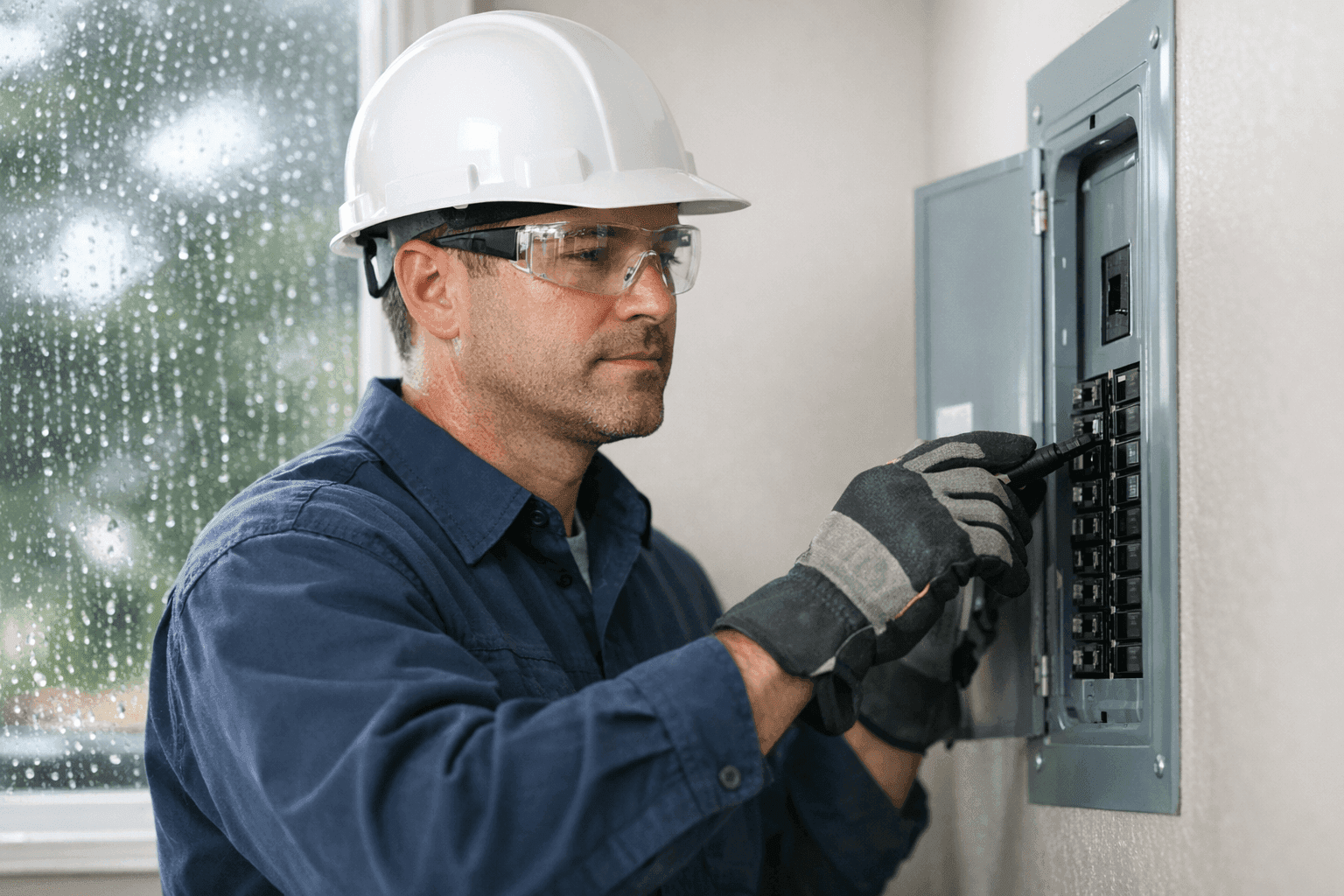
Storms roll in fast. Sometimes with thunder, sometimes with just the eerie quiet before the sky goes wild. Either way, your home’s electrical system is on the front lines. At Angelic Electric, we’ve seen the aftermath—fried circuit boards, blackened outlets, and families left in the dark.
You don’t have to wait for disaster to knock out your power or damage your appliances. With the right steps, you can keep your home safe and your loved ones protected when the next storm hits.
Common Storm-Related Electrical Hazards ⚡
Storms are more than just rain and wind. They pack a punch that can threaten every wire, outlet, and device in your home. Here’s what to watch for:
- Power surges – Lightning strikes or downed lines can send a tidal wave of electricity through your system.
- Flooding – Water and electricity are a dangerous mix. Even small leaks can reach outlets and wiring.
- Falling branches – Tree limbs can rip down service lines or crush outdoor components.
- Wind-driven debris – Flung objects can damage meters, panels, or exposed wiring.
- Extended outages – Long blackouts can stress older systems and spoil food, create safety risks, and leave you in the dark.
Worried? That’s normal. But with preparation, you can turn your home into a safe harbor.
Preparing Your System for Storms
Think of your electrical system like your home’s nervous system. When a storm is coming, it’s time for a checkup. Here’s where to start:
- Schedule a professional safety inspection. An electrician can spot hidden issues before they become emergencies.
- Test your outlets & switches near you. If you notice flickering, buzzing, or heat, something’s wrong.
- Check your panel and breakers. Make sure breakers are labeled and accessible. Look for rust, burn marks, or odd smells.
- Secure outdoor electrical components. Strap down or cover outdoor outlets, lights, and generators.
- Trim nearby trees. Keep branches away from service lines and meters.
Remember, maintenance isn’t just about today. It’s about peace of mind all season long.
Surge Protection and Backup Power
The heart of storm-proofing is protection. Surge protectors and backup generators are your best friends when the weather turns wild.
Why Surge Protection Matters
A lightning strike miles away can fry your TV, computers, and even your fridge. Whole-home surge protectors act like a shield, blocking dangerous voltage spikes before they reach your expensive devices. Don’t rely on cheap plug-in strips—they only defend what’s plugged into them, and often too late.
Learn more about our Surge Protection service to keep your home’s wiring safe from sudden jolts.
Backup Generators: Power When You Need It
When the grid goes dark, a backup generator keeps your lights on and your food cold. But not all generators are created equal. Permanent standby units automatically kick in when the power drops and can run key circuits—fridge, heat, sump pump—until the storm passes.
If you’re considering an upgrade, see our Backup Generators page for options and installation tips.
Regular Maintenance: Your Storm Shield 🛠️
Routine electrical maintenance is like putting healthy oil in your car. It keeps everything running smoothly and catches small problems before they explode.
- Schedule annual panel inspections.
- Make sure GFCI and AFCI outlets are working.
- Replace worn wiring and loose connections.
- Check that smoke and carbon monoxide detectors have fresh batteries.
- Test generators monthly, especially before storm season.
Our Maintenance plans keep your home ready year-round.
Quick Safety Checklist: Before the Storm Hits
A little preparation goes a long way. Here’s your fast-action checklist:
- Unplug electronics and appliances if a major storm is forecast.
- Charge phones and backup batteries.
- Secure outdoor lights, pool equipment, and any extension cords.
- Move valuables off the basement floor to avoid water damage.
- Know how to shut off your main breaker—ask your electrician if you’re unsure.
What to Do After a Storm
Storm’s over? Don’t rush to flip every switch. Slow down and take these steps:
- Inspect your home for standing water or visible damage.
- If you see downed power lines, stay far away and call your utility company.
- Check your panel for tripped breakers or burn marks.
- Plug in appliances one at a time to avoid overloading circuits.
- Listen and sniff for sizzling sounds or smoky smells.
Even if everything seems fine, hidden dangers can lurk in walls or outlets.
When to Call a Pro 👷
Electrical issues after a storm aren’t a DIY project. Call an electrician if:
- Outlets, switches, or panels are wet or burned.
- You hear buzzing, popping, or see sparks.
- Lights won’t turn on, or only some rooms have power.
- Your generator or surge protector isn’t responding.
- You smell burning plastic or see smoke.
Licensed electricians follow National Electrical Code (NEC) guidelines to make sure your system is safe for your family.
DIY vs. Professional Repairs
It’s tempting to reset a breaker or replace an outlet yourself. But electricity bites hard if you make a wrong move. Here’s what you can handle:
- Resetting tripped breakers (one at a time)
- Unplugging and drying small appliances (if no water touched the outlet)
- Changing batteries in detectors
Leave rewiring, breaker replacement, and flooded panel inspection to the pros.
Common Mistakes Homeowners Make
- Using extension cords as permanent wiring.
- Plugging generators directly into wall outlets (dangerous and illegal).
- Ignoring flickering lights or breaker trips.
- Skipping annual inspections.
Even small mistakes can snowball during a storm.
The Real Costs of Waiting
Rewiring a storm-damaged home is expensive. So is replacing fried appliances or dealing with an electrical fire. Most insurance policies won’t cover damage caused by lack of maintenance or code violations.
Preventive action always costs less than emergency repairs.
How Long Will Repairs Take?
Minor fixes—like replacing a breaker—can take an hour. Major repairs, like rewiring or panel replacement, might take a day or two. If your home needs extensive work, expect some disruption. Our team works quickly and keeps you in the loop every step of the way.
Signs of Trouble After a Storm
Don’t ignore these red flags:
- Persistent tripped breakers
- Outlets that don’t work or feel hot
- Lights dimming or flickering
- Unusual odors from panels or outlets
- Visible water in or near electrical equipment
If you notice any of these, call for help right away.
Seasonal Considerations
Storms aren’t just a summer problem. Ice, snow, and wind can also knock out power or damage systems. Prepare early, and check your system every season—especially before summer and winter.
Materials and Equipment: What You May Need
- Weatherproof covers for outdoor outlets
- Whole-home surge protector (installed at your panel)
- Safe extension cords (for temporary use only)
- Backup generator (permanent or portable)
- Flashlights, batteries, and a battery-powered radio
Always use equipment rated for your home’s voltage and follow manufacturer instructions.
FAQ: Storm Safety & Your Electrical System
Q: Can I use my generator indoors?
A: Never. Generators produce deadly carbon monoxide. Always run them outside, far from windows.
Q: How often should I test my surge protector?
A: Check the indicator lights monthly. Have it inspected yearly by a licensed electrician.
Q: What about pool and spa electrical systems?
A: These need extra protection. Use GFCI outlets and have all equipment inspected before and after major storms.
Q: Will insurance cover storm-related electrical damage?
A: Sometimes. But most policies require proof of maintenance and code compliance. Keep records of all inspections and repairs.
Your Home Deserves a Guardian
You wouldn’t leave your front door unlocked in a storm. Don’t leave your electrical system unprotected, either. At Angelic Electric, we help families stay safe—before, during, and after the storm.
Call Angelic Electric now — or reach us anytime at 844-440-1817 .