Preventing Electrical Damage from Storms and Power Surges
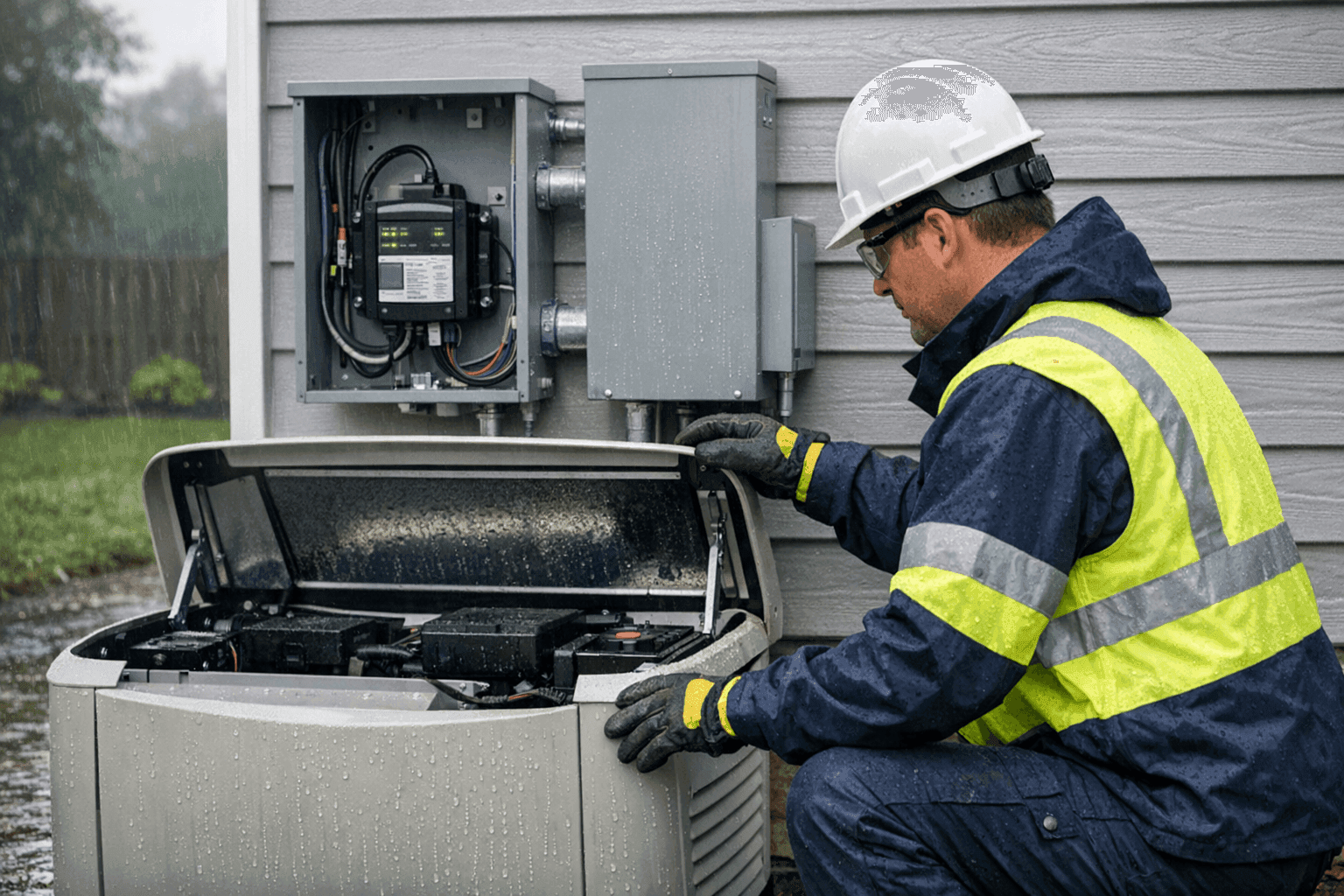
When the wind howls and lightning cracks, it’s not just your windows that rattle. Storms can turn your electrical system into a battlefield—surges, outages, and flickering lights included. At Angelic Electric, we know how quickly a summer squall or winter blizzard can send your home’s power spinning.
It takes just a split second for a power surge to fry your favorite devices. Most folks don’t think about their outlets and switches until something stops working. But we see the aftermath all the time: scorched wiring, fried TVs, even melted panels. Let’s walk through how to avoid becoming the next storm statistic.
Why Do Storms Cause Power Surges? ⚡
Picture a lightning bolt. It’s like nature’s own supercharged wire. If it strikes near your home or hits a power line, the energy can surge through electrical systems faster than a race car. Even if lightning isn’t the culprit, high winds can knock trees onto lines, causing sudden outages and dangerous returns of power.
These surges are like tidal waves for your electronics, slamming through circuits and overwhelming sensitive gear. According to the National Fire Protection Association (NFPA), storm-related surges are a leading cause of household electrical fires.
Typical Damage to Home Electronics
Surges don’t discriminate. They’ll take out your smart TV, gaming console, fridge, and even your garage door opener. Sometimes it’s instant—the screen goes black and never comes back. Other times, it’s sneaky: you notice glitches, weird noises, or things just stop working days later.
What’s at risk?
- TVs and computers
- Wi-Fi routers and modems
- Kitchen appliances (fridge, microwave, oven)
- HVAC and thermostats
- Medical equipment
Wiring and circuits can also suffer silent damage, which may not reveal itself until weeks later—often when you least expect it.
The Pre-Storm Electrical Safety Checklist
Get ready before the first raindrop falls. Here’s what Angelic Electric recommends:
- Install surge protectors: Not just the power strip kind—ask about whole-home surge protection. It’s like a shield for your entire electrical system. See our Surge Protection page for more.
- Unplug sensitive electronics: TVs, computers, and home theaters. If it can be unplugged, do it.
- Test and maintain backup generators: Make sure your generator is fueled, tested, and connected correctly. See our Generators service for details.
- Check for exposed or damaged wiring: Especially in basements, garages, and outdoor areas.
- Secure outdoor outlets and switches: Use weatherproof covers and make sure everything’s sealed.
- Replace worn extension cords: Frayed wires are an open invitation for disaster.
A little preparation goes a long way. Think of it as putting on a raincoat before the storm hits.
Surge Protectors: Your Home’s Electrical Umbrella
Surge protectors are like bodyguards for your gadgets. There are two main types:
- Plug-in strips: Better than nothing, but they can’t handle big surges.
- Whole-house protectors: Installed directly at your electrical panel by a licensed electrician. These are required by the National Electrical Code (NEC) for new construction and offer far more robust protection.
A good surge protector can mean the difference between a quick reset and a total meltdown.
Unplugging: Simple Step, Big Impact
Unplugging may sound old-fashioned, but it works. When a storm’s coming, physically disconnect sensitive equipment from outlets and switches near you. Power bars can help, but nothing beats pulling the plug. It’s like taking your valuables out of the house before a flood.
Backup Generators: Staying Safe When the Lights Go Out
Generators keep the essentials running when the grid goes down. But they need regular maintenance—fuel, oil, and load testing. Never run a generator indoors or in an enclosed space. Always use a transfer switch, installed by a qualified electrician, to prevent dangerous backfeed into utility lines.
The Electrical Safety Foundation International (ESFI) recommends annual inspections and periodic test runs. That way, your generator won’t let you down when you need it most.
Exposed Wiring: The Hidden Danger
Storms can sneak water into places it doesn’t belong. Exposed or damaged wiring is a recipe for shock or fire. Before the storm season, check crawlspaces, attics, and garages. If you spot frayed wires or corroded connections, call an electrician for a safety check.
Emergency Service: When to Call Right Away
If you see sparks, smell burning, or lose power to half your house, don’t wait. These are signs of serious trouble. Emergency Service is available 24/7 for situations like:
- Sparking outlets or switches
- Smoke or burning smells from your panel
- Complete or partial loss of power
- Water getting into electrical boxes
Visit our Emergency Service page for more info, or call immediately.
What an Electrician Looks for After the Storm
After severe weather, a qualified electrician checks:
- Main electrical panel for damage or overheating
- Outlets and switches near you for signs of moisture or scorch marks
- Wiring in attics, basements, and crawlspaces
- Functionality of smoke and carbon monoxide detectors
- Generator connections and transfer switches
They’ll test for hidden faults using insulation resistance meters and thermal cameras, following NEC and NFPA guidelines.
DIY vs. Call a Pro
Some things you can handle: unplugging devices, checking cords, resetting breakers. But anything involving wiring, panels, or generator installation should be left to a licensed electrician. It’s not worth the risk.
Signs of Trouble After a Storm
Be on the lookout for:
- Flickering lights
- Burning or metallic odors
- Buzzing from outlets or switches
- Discolored or warm cover plates
- Tripped breakers that won’t reset
If you notice any of these, call Angelic Electric right away.
Common Mistakes Homeowners Make
- Relying only on cheap power strips for surge protection
- Running extension cords through puddles or wet areas
- Ignoring “just a flicker” or “temporary” outages
- Using generators without a transfer switch
- Attempting DIY repairs on high-voltage wiring
Prevention is always cheaper—and safer—than repairs.
Prevention & Maintenance: Year-Round Tips
Storms aren’t just a summer thing. Winter ice, spring rains, and even fall windstorms can wreak havoc. Schedule an annual electrical safety inspection. Test GFCI and AFCI outlets. Keep your generator serviced and your surge protection up to date.
The U.S. Consumer Product Safety Commission (CPSC) and local code authorities recommend routine checks, especially if your home is more than 20 years old.
How Much Does Protection Cost?
Whole-house surge protectors and professional inspections are affordable compared to the cost of replacing fried electronics or repairing fire damage. Installation is quick—usually just a few hours. Emergency repairs can take longer, especially if panel or wiring replacement is needed.
Disruption and Timeline: What to Expect
Most routine upgrades or checks can be done in half a day. If storm damage is severe, expect power to be off for several hours while repairs are made. We’ll always let you know what to expect up front, and work to minimize disruption.
Frequently Asked Questions
Q: Can I use a regular power strip for surge protection?
A: Only for small surges. For full protection, ask about a whole-home unit.
Q: Is it safe to use extension cords outdoors during storms?
A: No—water and electricity do not mix. Only use outdoor-rated cords, and never in standing water.
Q: How often should I test my generator?
A: Monthly test runs and annual maintenance are best.
Q: What if I smell burning after a storm?
A: Shut off power at the main panel and call an electrician immediately.
Seasonal Storm Readiness—Don’t Wait for Trouble
Each season brings its own twist. In spring, check for leaks around outdoor outlets. In summer, test surge protectors. Before winter, inspect generator fuel and oil. Make electrical safety a year-round habit.
Your Local Electrician Company—Here When You Need Us Most
Storms don’t care about your schedule. But at Angelic Electric, we’re always ready to help—day or night. If you’re looking for an electrician company with experience in storm prep, surge protection, and emergency repairs, we’re just a call away.
Call Angelic Electric now — or reach us anytime at 844-440-1817 .