Rewiring a House: Signs It’s Time and What to Expect
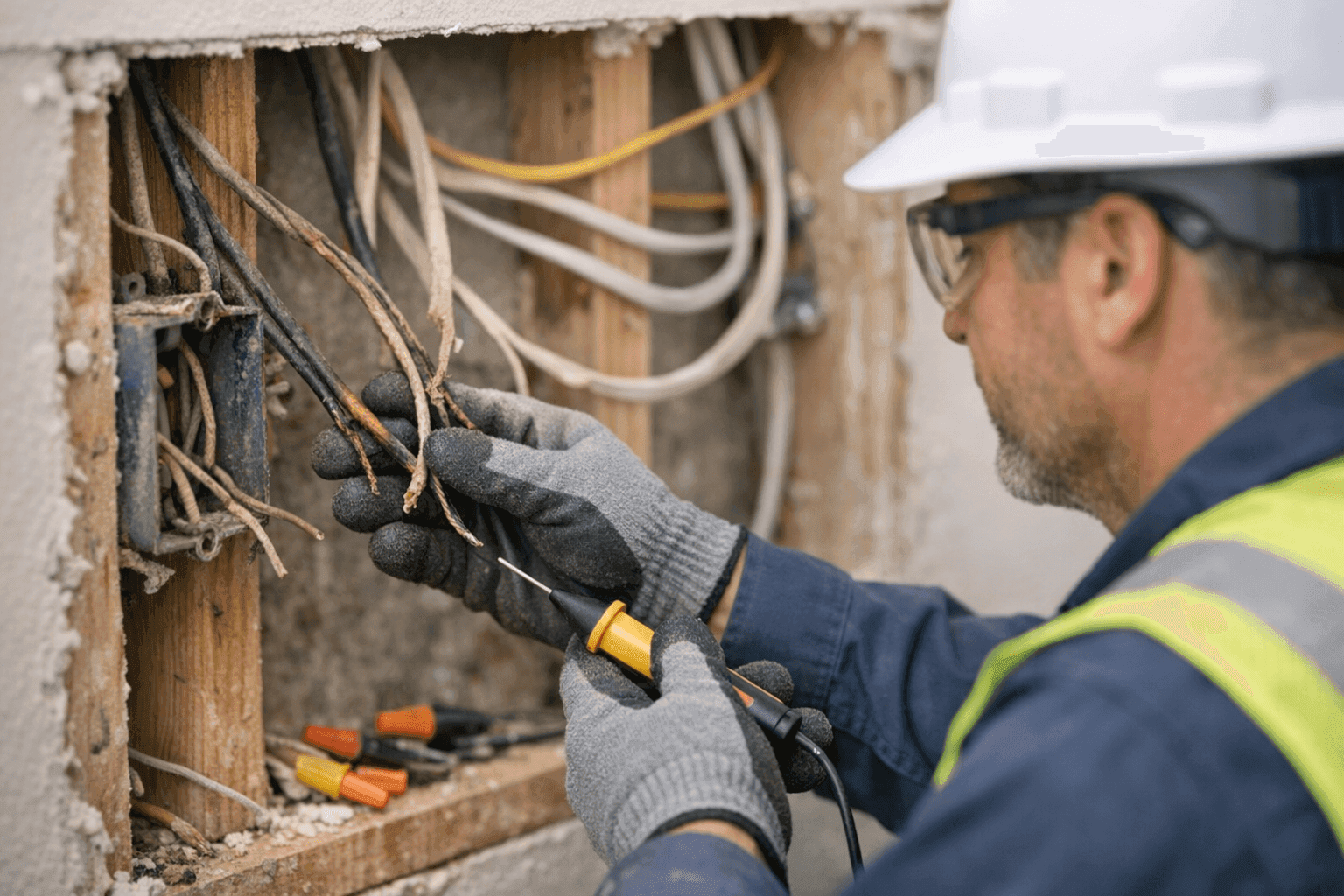
Is your home’s wiring quietly screaming for help? Most days, you flip a switch without a second thought. But a hidden electrical problem can turn a peaceful evening into a stressful emergency.
At Angelic Electric, we know how crucial safe wiring is for families. Rewiring is a big job, but it’s also an investment in safety and peace of mind.
How Do You Know It’s Time to Rewire?
Electrical issues rarely shout—they whisper. Yet, catching those whispers early can save you a world of trouble. Here are the most common signs your house may need rewiring:
- Frequent blown fuses or tripped breakers: If your breaker box is doing overtime, your wiring might be overloaded.
- Flickering or dimming lights: Not just a spooky movie effect. It can mean your circuits are struggling.
- Discolored outlets or switches: Brown or black marks hint at overheating or arcing.
- Burning smells or buzzing sounds: If your walls hum or smell odd, wiring may be breaking down.
- Old knob-and-tube or aluminum wiring: These vintage systems weren’t built for modern life.
- Two-prong ungrounded outlets: No room for your three-prong plug? That’s a red flag.
- Outlets or switches warm to the touch: Electricity shouldn’t make things hot.
If you’re ticking off more than one of these, it’s time to call an electrician.
Why Outdated Wiring Is a Risky Gamble ⚡
Old or damaged wires are like frayed shoelaces. You might get away with it for a while—until one day, everything unravels. The stakes? House fires, electric shocks, and ruined electronics.
According to the National Fire Protection Association (NFPA), electrical failures are a leading cause of home fires. Outdated wiring can also void home insurance or lead to denied claims after damage.
Quick DIY Safety Checklist
Want to do a quick check before you call for help? Walk through your home with this in mind:
- Test every outlet and switch. Are any not working?
- Sniff for unexplained burning odors.
- Look for cracked, loose, or discolored faceplates.
- Check your electrical panel for corrosion or signs of overheating.
If anything feels off, resist the urge to poke around. Electricity isn’t forgiving.
DIY vs. Calling a Professional Electrician
You wouldn’t try fixing your car’s brakes with a butter knife. Tackling rewiring is a job for a licensed electrician, not a weekend tinkerer. Modern electrical codes are strict for a reason. An electrician can ensure your home is safe, up to code, and ready for anything the future brings.
Plus, a professional electrician will take care of the trickiest parts—like permits, inspections, and navigating your walls without causing chaos.
What Happens When an Electrician Arrives?
Expect a thorough process, not a quick fix. Here’s what a reputable electrician (like Angelic Electric) will do:
- Assessment: Inspect your current wiring, outlets, and panels.
- Testing: Use special tools to check for hidden faults or overloads.
- Planning: Map out the new wiring plan—tailored to your home’s needs.
- Permits: Secure the right permissions with local authorities.
- Work begins: Carefully remove old wires, install new ones, update outlets, switches, and your breaker panel if needed.
- Final inspection: A licensed inspector checks everything for safety and code compliance.
Disruption: What to Expect During Rewiring
Let’s be honest—rewiring isn’t invisible. It means:
- Some wall cutting (especially in older homes)
- Furniture moved and dust stirred up
- Power outages in sections of your house
- Electricians moving room-to-room
But a skilled team will keep things tidy and work in phases, so you’re never left totally in the dark.
How Long Does Whole-House Rewiring Take?
Every home is different. For a typical two- or three-bedroom house, expect:
- Planning & permits: 1–2 weeks
- Active work: 3–10 days (depending on size and accessibility)
- Inspections & wrap-up: 1–3 days
Older homes, plaster walls, or special systems (like Wiring & Circuits) can add time.
Permits, Codes, and Insurance—Why They Matter
Rewiring isn’t just about swapping out old wires. It’s about making your home safer and legally compliant. Electricians follow the National Electrical Code (NEC), which changes every three years. Not following code can mean denied insurance claims or failed sales down the line.
A licensed electrician will pull the right permits, schedule official inspections, and provide paperwork for your records—and your insurer.
Resale Value: A Hidden Bonus
Thinking about selling in a few years? Updated wiring is a big selling point. Many buyers (and their insurers) want proof that your electrical system is modern and safe. Rewiring can boost your home’s value and make it easier to pass inspections when it’s time to move.
Electrical Upgrades That Come With Rewiring
Rewiring isn’t just about safety. It’s a chance to modernize:
- Add more Outlets & Switches near you for today’s tech lifestyle.
- Install smart home features or USB charging ports.
- Upgrade to grounded, tamper-resistant outlets for child safety.
- Prepare for EV chargers, backup generators, or future appliances.
Every wire is a new opportunity.
The Cost Factors—And Why Quality Matters
Costs vary based on home size, wiring complexity, and local permit fees. While it may be tempting to cut corners, poorly-done wiring can cost much more in the long run—think repairs, insurance headaches, or worse.
A professional electrician provides an upfront estimate and explains what’s included. You’ll know what you’re paying for—no surprises.
Maintenance After Rewiring
Once your wiring is new, keep it that way! Schedule periodic safety checks (at least every 5–10 years) and watch for any signs of trouble. Avoid overloading outlets or using too many extension cords.
And if you’re ever unsure, Angelic Electric is always just a call away.
When Is Rewiring an Emergency?
Some problems can’t wait. Call immediately if you notice:
- Burning smells or smoke
- Sparking from outlets or switches
- Repeated breaker trips with no clear cause
- Lights flickering throughout the whole house
These are signs of immediate danger. Don’t delay.
FAQ: Common Rewiring Questions
Q: Will I have to move out?
Not usually. Most rewiring projects are done in phases. You may lose power in parts of your home, but rarely everywhere at once.
Q: Is rewiring messy?
There will be some dust and disruption, but professional electricians clean up as they go and protect your belongings.
Q: How do I know if my home is up to code?
Ask your electrician for a code compliance certificate after the job is done.
Q: Can I just update part of my wiring?
Sometimes, yes. But in older homes, patchwork fixes can create more risks. It’s best to discuss options with your electrician.
Q: Is there a best season for rewiring?
Mild weather is ideal, but emergencies can’t wait. Planning ahead helps minimize disruption.
Preventing Problems: Tips for Homeowners
- Don’t overload outlets or use daisy-chained power strips.
- Never ignore buzzing, sparks, or burning smells.
- Schedule regular inspections, especially in older homes.
- Keep records of all electrical work for insurance and resale.
Choosing the Right Electrician Company
Rewiring isn’t just a job—it’s safety. Look for a licensed, insured electrician with experience in Residential Services. Ask for references, check credentials, and make sure you get a clear, written estimate.
If you’re in the area, our Wiring & Circuits specialists are ready to help.
Ready to make your home safer, brighter, and future-proof?
Call Angelic Electric now — or reach us anytime at 844-440-1817 .