How to Safely Install and Maintain EV Chargers at Home
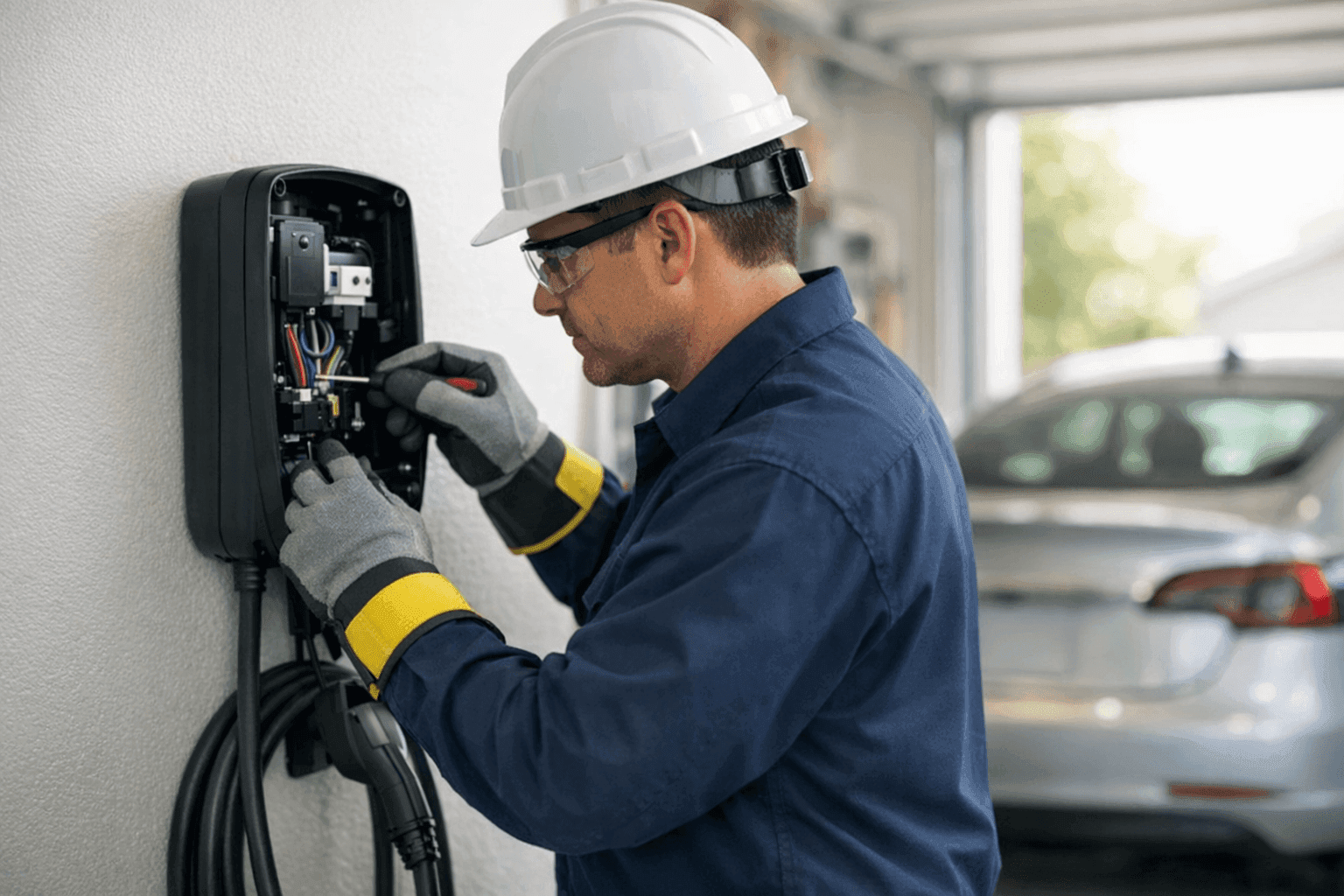
Charging your electric vehicle at home should be simple—and safe. But the reality is, installing and maintaining an EV charger brings new challenges, like hidden wiring issues or code requirements that can trip up even the most confident DIYer.
At Angelic Electric, we know how important reliable charging is for daily life. Let's break down what you need to know, so your home charging setup runs smoothly—without risking safety or your investment.
Types of Home EV Chargers ⚡
Before you set up a charger, understand your options. Home EV chargers mainly fall into two categories:
- Level 1: Standard 120-volt outlet. Slow charging—think overnight top-ups.
- Level 2: 240-volt circuit (like your dryer uses). Much faster. Most homeowners choose this for daily use.
Each type has its own wiring needs and installation requirements. Level 2 chargers, for example, often need a dedicated circuit and professional installation.
Safe Installation Steps
Installing an EV charger isn’t just plugging into any outlet. Here’s how safe installation looks:
- Assess Your Electrical Panel: Is there enough capacity? Overloaded panels can overheat and trip breakers.
- Plan the Location: Garages are common, but outdoor-rated units can go outside. Keep cords away from water and high-traffic areas.
- Install a Dedicated Circuit: Level 2 chargers should have their own circuit, sized for the charger's amperage.
- Mount the Charger Securely: Use manufacturer instructions. Avoid mounting on shaky walls or where kids play.
- Check Grounding: Proper grounding prevents shocks and electrical fires.
- Test the System: Before plugging in your car, test with a circuit tester.
Never cut corners on wiring or skip instructions. Mistakes can cause fires or damage your vehicle.
Quick Safety Checklist
- Use only UL-listed chargers and components.
- Never use extension cords with EV chargers.
- Keep charging area dry and clear.
- Label the breaker for your charger—it helps in emergencies.
- Double-check all connections for tightness.
Maintenance and Troubleshooting
Like any electrical device, EV chargers need regular care. Here’s what to keep an eye on:
- Visual Inspections: Check cords for wear, cracks, or exposed wires.
- Clean Connectors: Wipe dust and debris from plugs and sockets.
- Test GFCI Protection: Most chargers have built-in ground-fault protection. Test monthly, just like a bathroom outlet.
- Monitor Charging Speed: If charging slows down or stops, don’t ignore it. It could signal a wiring problem.
If you spot scorch marks, buzzing sounds, or smell burning, stop using the charger and call an electrician immediately.
Common Mistakes to Avoid
- DIYing High-Voltage Wiring: It’s tempting to save money, but mistakes here are costly and dangerous.
- Ignoring Permits: Most cities require a permit for Level 2 charger installation. Skipping this can void insurance or delay home sales.
- Wrong Wire Size: Undersized wires heat up and can fail.
- Sharing Circuits: Don’t put your charger on a shared circuit with other appliances.
Code Compliance and Permits
Installing an EV charger means following local electrical codes—like the National Electrical Code (NEC) Article 625 in the U.S. Here’s why that matters:
- Permits Protect: Inspections catch unsafe installs before they become disasters.
- Insurance Requires It: Most homeowner policies expect code-compliant electrical work.
- Resale Value: If you ever sell, buyers (and their inspectors) want proof your charger is safe and legal.
Always check with your local building department before starting. Permits aren’t just red tape—they’re your safety net.
Timeline and Disruption
Worried about how long installation takes? Here’s a general timeline:
- Site Assessment: 1–2 hours.
- Permit Approval: Can be immediate, or up to a week.
- Installation: Typically 2–4 hours for a standard setup.
- Inspection: Same day or within a few days.
During installation, expect the power to be off in some areas. A professional electrician will minimize disruption and clean up afterward.
Costs & Equipment Needed
- Charger Unit: Prices range by features and brand.
- Wiring & Breakers: Quality materials matter.
- Labor: Depends on panel location, wiring path, and permit fees.
It’s smart to get a detailed quote before starting. Avoid bargain-bin parts—they’re like old tires on a new car.
Prevention & Maintenance Tips
- Keep the charging area clean and dry.
- Coil cables loosely—don’t yank or twist.
- Schedule an annual inspection of your electrical panel and charger (ask about our maintenance services).
- Update firmware on smart chargers as recommended by the manufacturer.
A little care goes a long way to avoid costly repairs.
When It’s an Emergency
If you see sparks, smell burning, or lose power unexpectedly, shut off the circuit breaker and call for emergency service. Don’t try to “reset” or fix the issue yourself. Electrical fires can start silently and spread fast.
Our team offers 24-hour service for urgent situations—safety first, always.
DIY vs. When to Call a Pro
Some tasks, like cleaning the charger or checking for loose cords, are fine for homeowners. But if your install requires:
- New wiring or circuits
- Panel upgrades
- Troubleshooting persistent faults
- Rewiring for code compliance
...call a licensed electrician. The risk isn’t worth it—especially with high-voltage wiring.
Signs of Trouble
Watch for these red flags:
- Warm or hot charging cords
- Circuit breakers tripping regularly
- Charger or wall outlet discoloration
- Flickering lights when charging
If you notice any, stop using the charger and get an inspection.
Seasonal Considerations
Cold winters? Hot summers? Both can impact charging performance. Moisture increases the risk of corrosion, and extreme heat stresses wiring. Regularly inspect cables and connectors, especially after storms.
What Pros Do On Arrival
A qualified electrician will:
- Inspect your panel and wiring for capacity and safety
- Verify code compliance and permits
- Install the charger with proper grounding and surge protection
- Test everything before you charge your EV
You’ll get peace of mind—and documentation for your records.
FAQ
Can I use my dryer outlet for my EV charger?
Not recommended. EV chargers draw steady, high loads and need a dedicated circuit.
What if my panel is full?
A panel upgrade may be needed—don’t overload existing circuits.
Do I need a permit?
Almost always, especially for Level 2 chargers. Check with your city or county.
How often should I check my charger?
Do a quick visual check before each use, with a deeper inspection every few months.
Internal Wiring & Circuit Tips
A safe EV charger starts with quality wiring. For more on proper circuit sizing and upgrades, check our Wiring & Circuits guide.
If you're in Maryland and need reliable electrician services in Dundalk, our team stands ready 24/7.
Final Thoughts
Your EV charger is the bridge between your car and the open road. Keep it safe, code-compliant, and maintained, and it’ll serve you for years.
Call Angelic Electric now — or reach us anytime at 844-440-1817 .