How to Safely Install and Maintain Home Generators
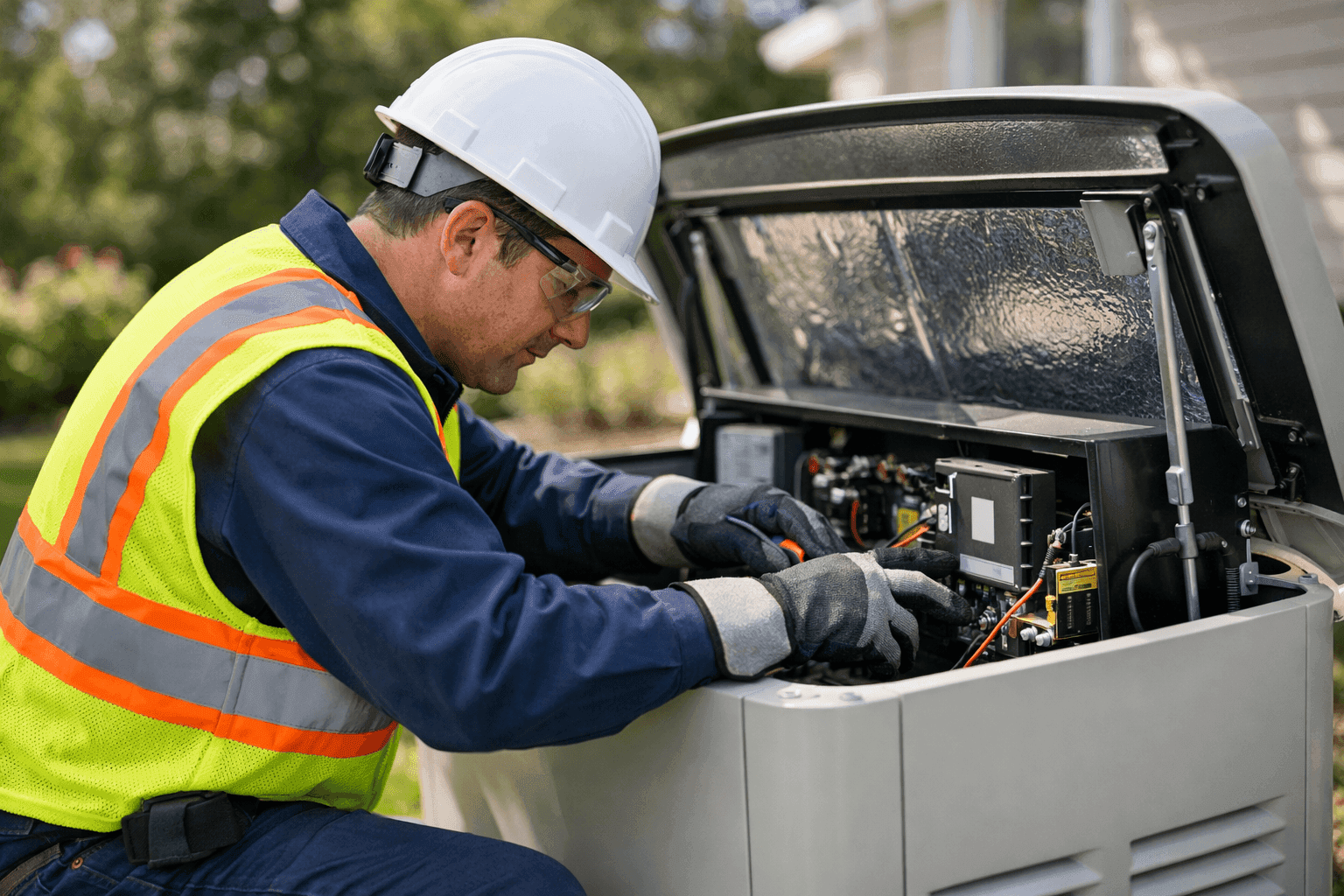
Power outages don’t care about your schedule. They strike during summer storms, winter ice, or even on a quiet evening. That’s when having a home generator is like having an umbrella in a downpour—comfort, safety, and peace of mind.
At Angelic Electric, we know the right generator, properly installed and maintained, can keep your home bright and your family safe. We’re here to walk you through the essentials, from choosing the right unit to keeping it running when you need it most.
Types of Home Generators ⚡
Not all generators are built the same. Choosing the best fit is as important as installing it right.
- Portable Generators: These are the workhorses for quick fixes. Plug in a few key appliances and you’re good—temporarily. But they need manual setup and fueling.
- Standby Generators: Like a loyal friend, these fire up automatically during an outage. They’re permanently installed and wired into your home’s electrical system.
- Inverter Generators: Smaller and quieter, these are best for sensitive electronics or camping trips.
When deciding, consider your power needs, local code, and budget. For most homes, standby generators offer the best blend of convenience and safety.
Installation Safety and Code
Installing a generator isn’t just plug and play. It’s more like open-heart surgery for your home’s electrical system.
- Permits and Inspections: Most areas require a permit and an inspection by a licensed electrician. This isn’t just paperwork—it’s about safety.
- National Electrical Code (NEC): Installations must meet NEC standards. This includes proper wiring, transfer switches, and safe distances from windows or vents.
- Transfer Switches: These keep your system from “backfeeding”—sending power back onto the grid, which can endanger utility workers.
Always follow manufacturer instructions. The U.S. Consumer Product Safety Commission and the Electrical Safety Foundation International both stress the importance of professional installation.
Generator Maintenance Best Practices
A generator is like a car—it needs regular checkups to run when you need it.
- Monthly Start-Ups: Run your generator for about 20 minutes once a month. This keeps parts lubricated and ready.
- Annual Professional Service: Have your unit inspected and serviced by an electrician at least once per year.
- Battery Checks: If your generator uses a battery start, test and replace it as needed.
- Change Filters and Oil: Just like your car, fresh filters and oil mean a longer life.
Neglecting maintenance can turn your backup plan into a paperweight at the worst time.
Fueling and Storage Tips
Fuel is the lifeblood of your generator. Handle it with care.
- Store Fuel Safely: Keep gasoline or propane in approved containers, away from heat and flames.
- Rotate Supplies: Old fuel can degrade or gum up your generator. Rotate every six months.
- Never Refuel While Running: Always shut the generator off and let it cool before adding fuel.
These simple steps prevent fire hazards and extend your generator’s lifespan.
Professional Installation Benefits
While DIY projects can be satisfying, generator installation isn’t the place to experiment.
- Code Compliance: Licensed electricians know the latest code updates and local requirements.
- Warranty Protection: Many manufacturers require professional installation to keep warranties valid.
- Safety First: Avoiding electrical hazards and ensuring safe operation is priceless.
If you’re searching for "Outlets & Switches near you" or reliable generator service, a professional touch can make all the difference.
Quick Safety Checklist
- Install carbon monoxide detectors near sleeping areas.
- Never operate portable generators indoors or in garages.
- Keep generators dry and protected from rain or snow.
- Use only heavy-duty, outdoor-rated extension cords.
These basics can save lives.
Signs of Trouble
Don’t ignore these red flags:
- Hard starts or stalling
- Unusual noises or vibrations
- Leaking fuel or oil
- Tripped breakers or flickering lights
If you notice these, call a licensed electrician right away.
Timeline & Disruption
A typical standby generator installation can take a full day or more, depending on your home’s setup.
- Site Preparation: Clearing space and ensuring proper ventilation.
- Electrical Work: Wiring to your panel and installing a transfer switch.
- Testing: Running the system under load to verify performance.
Professional crews minimize disruption, but plan for some noise and power downtime.
Common Mistakes to Avoid
- Skipping permits or inspections
- Using undersized extension cords
- Overloading the generator
- Blocking ventilation
Cutting corners invites danger. Stick to best practices.
DIY vs. Call a Pro
Portable units are tempting DIY projects, but permanent standby generators demand expertise. If in doubt, always call a professional.
What Pros Do on Arrival
When an Angelic Electric technician arrives, here’s what to expect:
- Assess your home’s electrical load
- Recommend the right size and style of generator
- Handle permits and code compliance
- Install and test the system
- Show you safe operation and maintenance basics
Peace of mind, from start to finish.
Prevention & Ongoing Maintenance
- Schedule yearly tune-ups (maintenance)
- Keep your generator clean and free from debris
- Test transfer switches regularly
A little attention now prevents big headaches later.
When It’s an Emergency
If you lose power and your generator won’t start, don’t panic. Check fuel, oil, and breakers. For deeper problems, call an electrician immediately.
Costs & Time Factors
Generators are an investment. Factor in purchase, installation, fuel, and maintenance. The cost varies with size and features—but the value during an outage is immeasurable.
Seasonal Considerations
- Winterize your generator in cold climates—use appropriate oil and check antifreeze.
- In storm season, check fuel supplies and do a test run.
- Store extension cords and fuel safely out of reach of children or pets.
FAQ
Q: Can I connect my generator directly to my home’s wiring?
A: Only with a professionally installed transfer switch. Never jury-rig connections.
Q: How long can a generator run continuously?
A: It depends on the type—some can run for days if properly fueled and maintained. Always follow manufacturer guidelines.
Q: How often should I service my generator?
A: At least annually, and after any major outage or extended use.
Generator Services Near You
Looking for reliable Generators installation, maintenance, or repair? Angelic Electric’s licensed team is ready to help, day or night.
Call Angelic Electric Today
Don’t wait for the next storm to test your backup plan. Whether you need help choosing the right generator, installing a system, or ongoing maintenance, our team is here to keep your home safe and powered.
Call Angelic Electric now — or reach us anytime at 844-440-1817 .