How to Safely Install and Maintain Outdoor Electrical Outlets
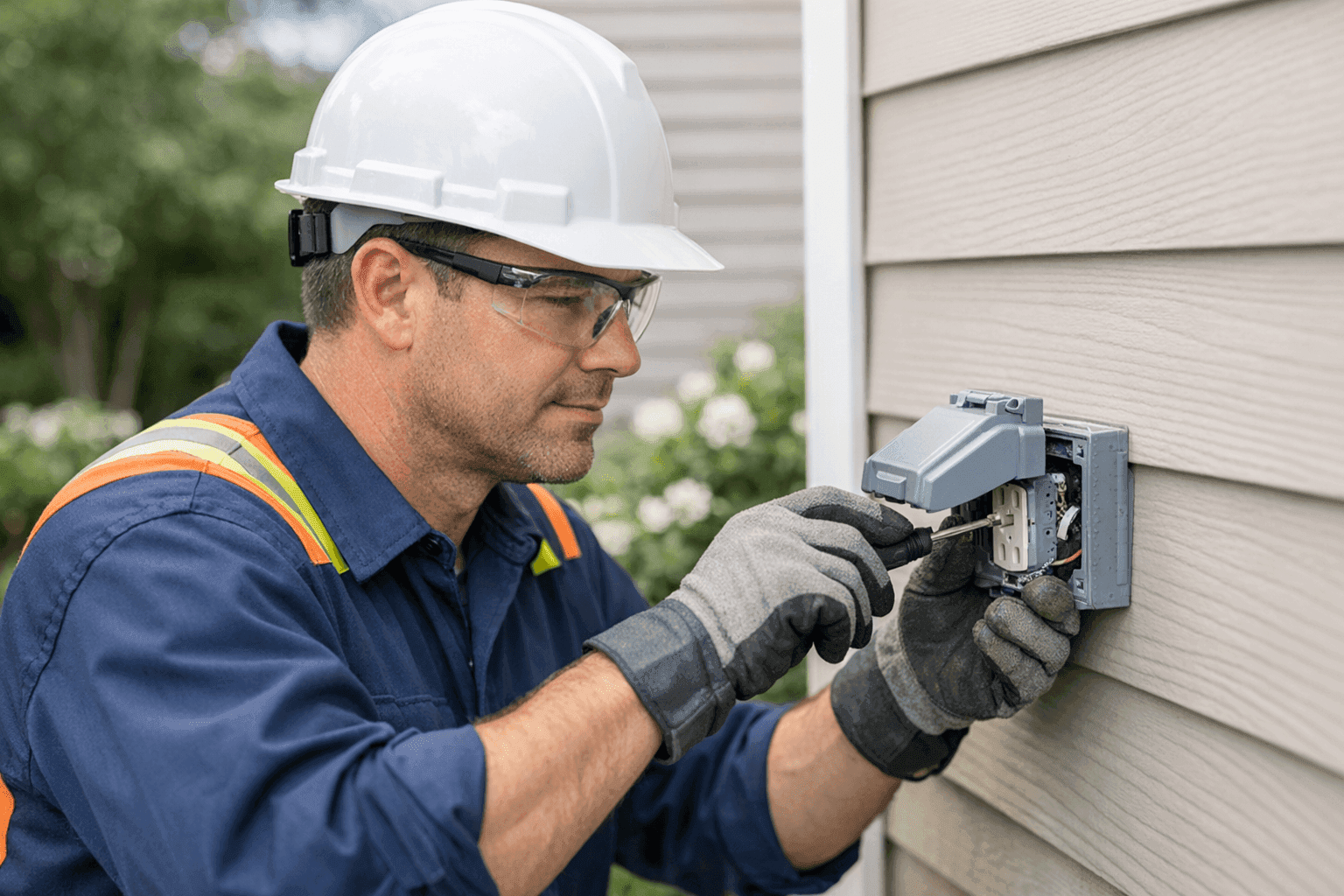
Are you dreaming of string lights on your patio? Maybe that new electric grill needs a safe plug-in outside. Outdoor electrical outlets open a world of convenience, but even a simple mistake can lead to shocks, tripped breakers, or worse. At Angelic Electric, we've seen how an old, cracked outlet cover—or a rushed DIY installation—can cut the fun short and invite real hazards.
Let’s walk through what it takes to safely install and maintain outdoor electrical outlets. This isn’t just about getting power where you want it. It’s about protecting your home, your family, and all those backyard memories from avoidable risk.
Types of Outdoor Electrical Outlets
Outdoor outlets aren’t just the same as your living room plugs with a plastic cover. The world outside is unpredictable—rain, snow, sun, and curious critters all want in. Most homes need:
- GFCI (Ground Fault Circuit Interrupter) Outlets: These are required by the National Electrical Code (NEC) for outdoor use. They instantly shut off power if they detect a shock hazard.
- Weather-Resistant Outlets: Built to survive the elements, these outlets have tougher materials to resist moisture and UV rays.
- In-Use (Bubble) Covers: These clear, domed covers let you plug in cords and still keep the outlet protected from rain or snow.
If you’re not sure what you have, it’s time to check. Using the wrong type of outlet outside is like locking your front door but leaving the windows wide open.
Safe Installation Steps ⚡
Installing an outdoor outlet isn’t just a matter of swapping out parts. It’s more like building a bridge—every piece needs to be strong and secure. Here’s a breakdown of safe steps:
- Turn Off Power: Flip the breaker and double-check with a voltage tester.
- Choose the Right Location: Keep outlets off the ground and away from standing water.
- Use GFCI Protection: Either at the outlet itself or upstream in the circuit.
- Install a Weatherproof Box: The box should be rated for exterior use.
- Seal All Openings: Use caulk or weatherproof gaskets so moisture can’t sneak in.
- Attach an In-Use Cover: Even if you’re only plugging in occasionally.
- Test Everything: Use the GFCI test/reset buttons and a tester to confirm safe operation.
Most importantly: If you have old wiring, aluminum wiring, or see signs of decay (crumbling insulation, scorch marks), stop and call an electrician. Outdoor work can quickly become complicated.
Maintenance and Troubleshooting
Once installed, outdoor outlets need regular attention. This isn’t a “set it and forget it” situation—think of it more like checking your car’s oil before a road trip.
- Inspect Outlets Seasonally: Look for cracks, loose screws, or signs of water inside the cover.
- Test GFCI Monthly: Press the test button and make sure power shuts off, then resets.
- Clean Out Debris: Dirt, insects, or leaves can block covers and cause problems.
- Replace Damaged Parts: Don’t ignore cracked covers or sticky outlets. These can let in water and lead to shorts.
If you notice tripped breakers, buzzing, or a burnt smell, it’s time to troubleshoot. Often these issues mean moisture has gotten in, or wiring connections are loose.
Weatherproofing and Code Compliance 🏡
Weatherproofing is your shield against the elements. Every outdoor outlet should have:
- Weather-resistant housing and covers
- GFCI protection (per NEC 406.9(B)(1))
- Properly sealed conduit and cable entries
Local codes may add extra requirements. For example, outlets must sit at least 12 inches above ground. If you’re not sure, refer to the National Electrical Code or your local building department. Or, let Angelic Electric handle the installations for you.
When to Call a Professional
Sometimes, it’s best to leave things in skilled hands—especially when:
- You’re unsure about your home’s wiring or breaker panel.
- The outlet will power heavy equipment like pool pumps, spas, or EV chargers.
- You see signs of moisture or corrosion inside the outlet.
- Your project involves running new wiring through walls, brick, or stucco.
An experienced electrician can spot problems you might overlook and ensure your installation meets all codes. For anyone searching for "Outlets & Switches near you," or for Maintenance, a licensed pro keeps your home safe and your projects stress-free.
Quick Safety Checklist
Before you start any electrical work, ask yourself:
- Is the power really off? Double-check.
- Are your hands dry, and are you standing on a dry surface?
- Do you have the right weatherproof, GFCI-rated materials?
- Does your installation follow NEC and local code?
- Are all connections tight and protected from moisture?
If something feels off, don’t push your luck—safety always wins.
DIY vs. Professional Installation
It’s tempting to try a quick DIY. But outdoor installations can turn complicated fast. Hidden wiring quirks, old breaker panels, and code requirements make this more than a quick afternoon project.
A professional electrician will:
- Assess your existing wiring and panel capacity
- Select the correct weatherproof materials
- Install outlets to code, preventing future headaches
- Test the system for safe operation
In many areas, electrical work without a permit can lead to insurance issues or failed home inspections. Play it safe—get help when you need it.
Common Mistakes to Avoid
Even seasoned DIY-ers slip up now and then. The biggies?
- Not using GFCI protection
- Skipping the weatherproof cover
- Mounting outlets too close to the ground
- Using interior-rated boxes or wiring
- Forgetting to seal around the box
These shortcuts can lead to tripped breakers, ruined outlets, or worse—shocks and fire. Don’t gamble with outdoor power.
Signs of Trouble
Keep an eye (and nose) out for these warning signs:
- Outlets that feel warm
- Flickering lights or appliances plugged in outdoors
- Tripped breakers, especially after rain
- Visible rust, green corrosion, or water droplets inside the cover
- Crackling or buzzing sounds
If you spot any of these, don’t just unplug and hope for the best—call an electrician right away.
Prevention & Seasonal Maintenance
Think of your outdoor outlets like a garden. They need a little regular TLC:
- Check covers after big storms or snow melts
- Replace cracked or faded plastic
- Keep landscaping and sprinklers away from outlets
- Test GFCI operation every season
A few minutes of attention can save you from big repairs down the road.
Timeline & Disruption
How long does it take to install an outdoor outlet? Usually just a few hours—if everything goes smoothly. Complications like old wiring, tight crawlspaces, or tricky siding can stretch out the job. Expect some noise, dust, and a temporary power shut-off in the area being worked on.
Plan your project when the weather is dry and before you need to plug in that holiday lighting or new patio heater.
Costs & Value
Costs can vary based on:
- Distance from your panel
- Type of wiring and outlet needed
- Condition of existing electrical system
While it’s tempting to price-shop, remember that cutting corners here can cost more in repairs or energy loss later. A safe, code-compliant installation pays you back in peace of mind and convenience.
What to Expect When You Call Angelic Electric
When you reach out to Angelic Electric, we’ll:
- Listen to your needs and assess your current setup
- Recommend the safest, most reliable solutions
- Provide upfront pricing and a clear timeline
- Handle all code requirements and permits
Whether you’re in the middle of a backyard upgrade or just want to feel confident about plugging in your tools, we’re here to help. If you're in the area and searching for a reliable electrician company, our electrician services in Avondale are always ready.
FAQ: Outdoor Electrical Outlets
Q: Do I really need GFCI for every exterior outlet?
A: Yes, per the National Electrical Code, every outdoor outlet must have GFCI protection.
Q: Can I install an outlet myself if I’m handy?
A: If you're confident and follow all safety rules, minor replacements are possible. But new installations or wiring changes are safest with a pro.
Q: How often should I check my outdoor outlets?
A: At least twice a year—before summer and winter. Check covers, test GFCIs, and look for damage after storms.
Q: What if my outlet keeps tripping or won’t reset?
A: This usually means moisture or a wiring problem. Call an electrician before using the outlet again.
Final Thoughts
Outdoor electrical outlets make your home more useful and enjoyable. But like a sturdy umbrella, they only protect you if set up and maintained the right way. A little planning, the right materials, and a focus on safety go a long way.
When in doubt, call the professionals. Your backyard—and your peace of mind—are worth it.
Call Angelic Electric now — or reach us anytime at 844-440-1817 .