How to Safely Install and Maintain Outdoor Lighting
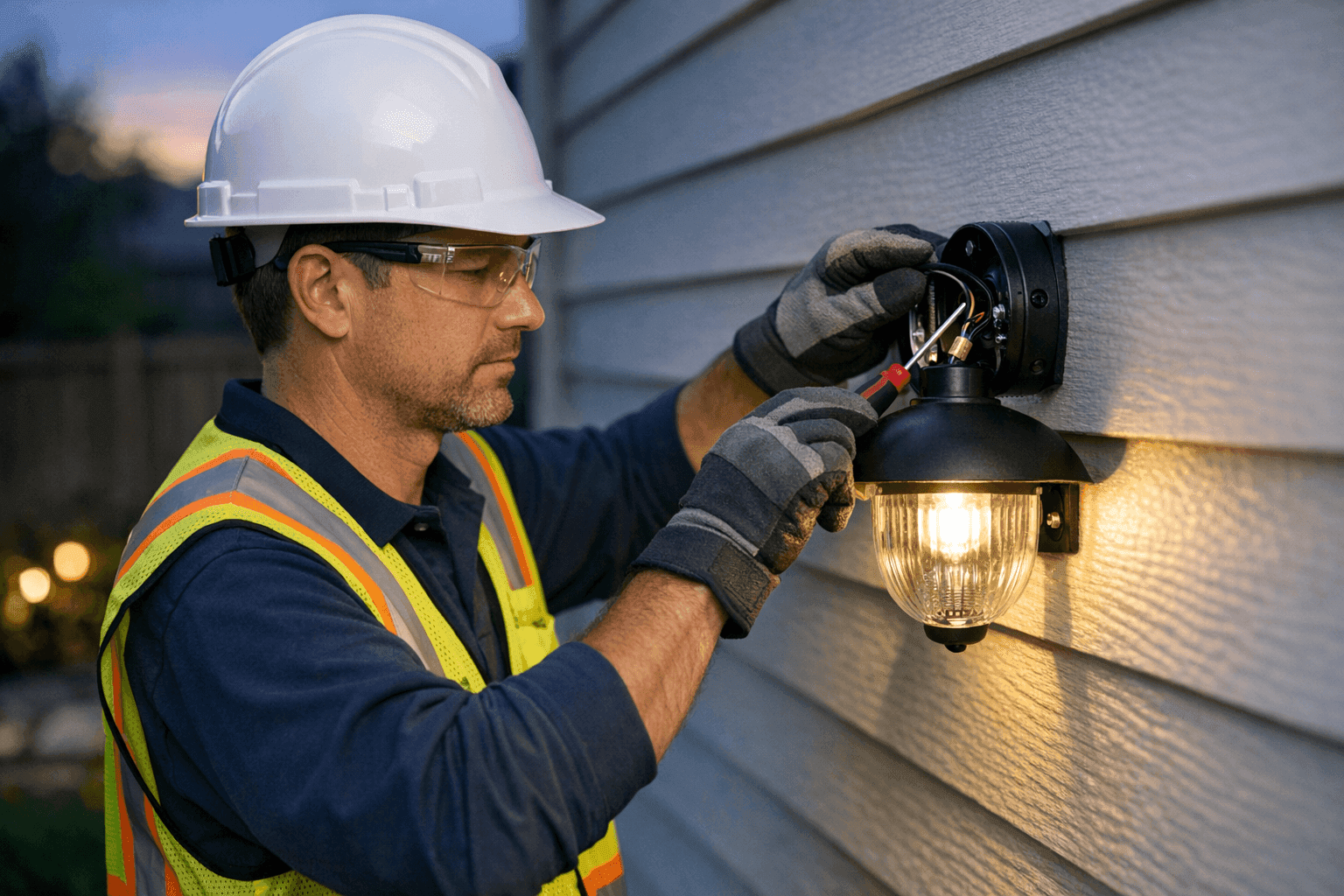
You want your home to feel safe and welcoming—even after the sun goes down. Outdoor lighting brings out the best in your yard, but only when it's done right. A tangled mess of wires or a flickering bulb can turn a peaceful evening into a headache. At Angelic Electric, we know the difference that safe, well-installed lighting can make.
Whether you’re adding a few path lights or planning a full backyard transformation, outdoor lighting projects demand respect. Electricity, weather, and code requirements all play a role. Let’s break it down so you can brighten your home with confidence.
Types of Outdoor Lighting 🌟
Outdoor lighting comes in more flavors than an ice cream shop. Here are some popular options:
- Pathway Lights: Guide footsteps along walkways, driveways, or gardens.
- Floodlights: Illuminate wide areas for security or sports.
- Wall Lights: Flank your front door or patio for a warm welcome.
- Deck & Step Lights: Prevent trips and falls on stairs and decks.
- String Lights: Add instant charm for gatherings or quiet nights.
- Spotlights: Highlight landscaping, trees, or architectural features.
- Motion Sensor Lights: Deter intruders and save energy.
Choosing the right mix depends on your goals—whether it’s curb appeal, safety, or both.
Safety and Code Considerations
Electricity and outdoor weather are not best friends. That’s why safety comes first. It’s like checking the weather before a big trip—skipping it can mean big trouble.
- Weatherproof Fixtures: Use outdoor-rated fixtures and bulbs (look for "wet" or "damp" location labels).
- GFCI Outlets: All exterior outlets must have Ground Fault Circuit Interrupters. This helps prevent shocks.
- Proper Wiring: Outdoor wire must be rated for burial (UF cable) or installed in conduit.
- Permits and Codes: Local electrical codes matter. The National Electrical Code (NEC) and your municipality require safe practices.
- Safe Distances: Keep fixtures away from flammable materials and water.
If you’re ever in doubt, consult an electrician. Safety isn’t a corner you want to cut.
Installation Steps and Tips
Installing outdoor lighting isn’t just plugging in a lamp. It’s a little like planting a tree—care at every step leads to lasting results.
- Plan Your Layout: Sketch where you want lights. Consider coverage, shadows, and power sources.
- Turn Off Power: Always shut off electricity at the breaker before starting.
- Check Existing Outlets: Use GFCI-protected, weatherproof outlets. If you don’t have them, call an electrician.
- Install Fixtures: Mount lights according to manufacturer instructions. Use weatherproof boxes and gaskets.
- Run Wiring: Use underground-rated wire or conduit. Bury lines at least 18 inches deep, or as your code requires.
- Test and Adjust: Restore power. Check every fixture. Adjust angles and brightness.
- Seal and Protect: Use silicone caulk around boxes and fixtures to keep water out.
Remember: If you’re working with high-voltage lines, or anything feels unsafe, bring in an electrician. Mistakes can be costly—or dangerous.
Maintaining Outdoor Fixtures
Outdoor lights battle rain, wind, bugs, and heat. Show them a little love, and they’ll shine for years:
- Clean Lenses: Remove dirt or spider webs with a soft cloth.
- Check Bulbs: Replace any that flicker or burn out.
- Inspect Seals: Make sure gaskets and caulking are intact to keep water out.
- Watch for Corrosion: Rust or greenish buildup on metal parts means it’s time for maintenance.
- Test GFCI Outlets: Press the "test" button monthly to confirm safety.
Regular checks—especially after storms—keep surprises to a minimum.
Common Mistakes to Avoid
A few pitfalls can turn a simple project into a saga:
- Overloading Circuits: Adding too many lights to one circuit can trip breakers.
- Ignoring Codes: Skipping permits or code requirements can mean fines (or worse).
- Using Indoor Fixtures Outside: These can short out or pose fire risks.
- Poor Sealing: Water in a fixture is a recipe for failure.
- DIY Beyond Your Skills: Some tasks are best left to an electrician. It’s not the place for guessing.
Take it slow, double-check each step, and ask for help if needed.
Quick Safety Checklist
Before you flip the switch:
- Power off at the breaker.
- Tools and hands are dry.
- All wiring is rated for outdoor use.
- GFCI protection is in place.
- Fixtures are securely mounted.
DIY vs. Call a Pro
Hanging string lights? Many homeowners can handle it. Installing new circuits or burying wires? That’s a job for a licensed electrician. If you’re not sure, err on the side of caution.
A professional electrician can:
- Ensure code compliance.
- Prevent future headaches.
- Recommend the right fixtures and placement.
Want to learn more about our lighting services or see what a professional electrician can do for your yard?
What Pros Do On Arrival
When you call Angelic Electric, here’s what happens:
- We assess your needs and current system.
- Inspect for GFCI protection and safe wiring.
- Recommend fixtures for beauty and safety.
- Handle all installation, from trenching to final testing.
- Clean up and walk you through operation.
Our goal is simple: safe, reliable, beautiful light.
Prevention and Maintenance
Think of outdoor lighting like your car. Regular tune-ups keep everything humming. Schedule seasonal checks—especially before winter and after storms. If a fixture fails, don’t ignore it.
Explore our maintenance service for hassle-free upkeep.
Costs & Time Factors
Costs vary—simple installs run less, but complex systems (like smart lighting or landscape features) are an investment. What takes a pro a few hours might stretch into a weekend for DIYers. Factor in your own time and peace of mind.
When It's an Emergency
Flickering lights, tripped breakers, or a burning smell? Shut off power and call an electrician right away. Safety comes first. Our 24-hour emergency service stands ready for those unexpected moments.
Seasonal Considerations
- Winter: Ice and snow can stress fixtures and wiring.
- Spring: Check for water damage after thawing.
- Summer: Bugs and heat may affect bulbs and seals.
- Fall: Falling leaves and rain can clog or corrode fittings.
A quick seasonal inspection keeps surprises away.
Signs of Trouble
Watch for:
- Buzzing or humming from fixtures.
- Lights that flicker or won’t turn on.
- Warm or discolored outlets.
- Water inside fixtures.
- Frequent tripped breakers.
These are red flags—don’t ignore them.
Timeline & Disruption
Most outdoor lighting installs are completed in a day or two. Larger projects (pool or spa lighting, for example) may take longer. Our team works efficiently, minimizing disruption so you can enjoy your yard sooner.
Materials and Equipment
Using the right gear is half the battle:
- Outdoor-rated fixtures and wire.
- GFCI outlets and weatherproof covers.
- Silicone caulk and watertight connectors.
- Conduit or burial cable for underground runs.
- LED bulbs for energy savings.
Never substitute indoor materials for outdoor use.
FAQ
Q: Can I use solar lights instead?
A: Solar lights are great for quick, low-power needs. For lasting, bright, or security-focused lighting, wired options are best.
Q: What about smart lighting?
A: Home automation options let you control lights from your phone or voice assistant. Ask your electrician about compatible systems.
Q: How do I know if my system is safe?
A: Schedule an electrical safety inspection, or check that all outlets are GFCI-protected and all fixtures are weatherproof.
Outdoor lighting should transform your home, not add stress. Whether you’re enhancing curb appeal or boosting safety, the right materials and know-how matter. If you want your project to shine—literally and figuratively—let Angelic Electric handle the wiring while you enjoy the glow.
Call Angelic Electric now — or reach us anytime at 844-440-1817 .