How to Safely Install and Maintain Pool & Spa Lighting
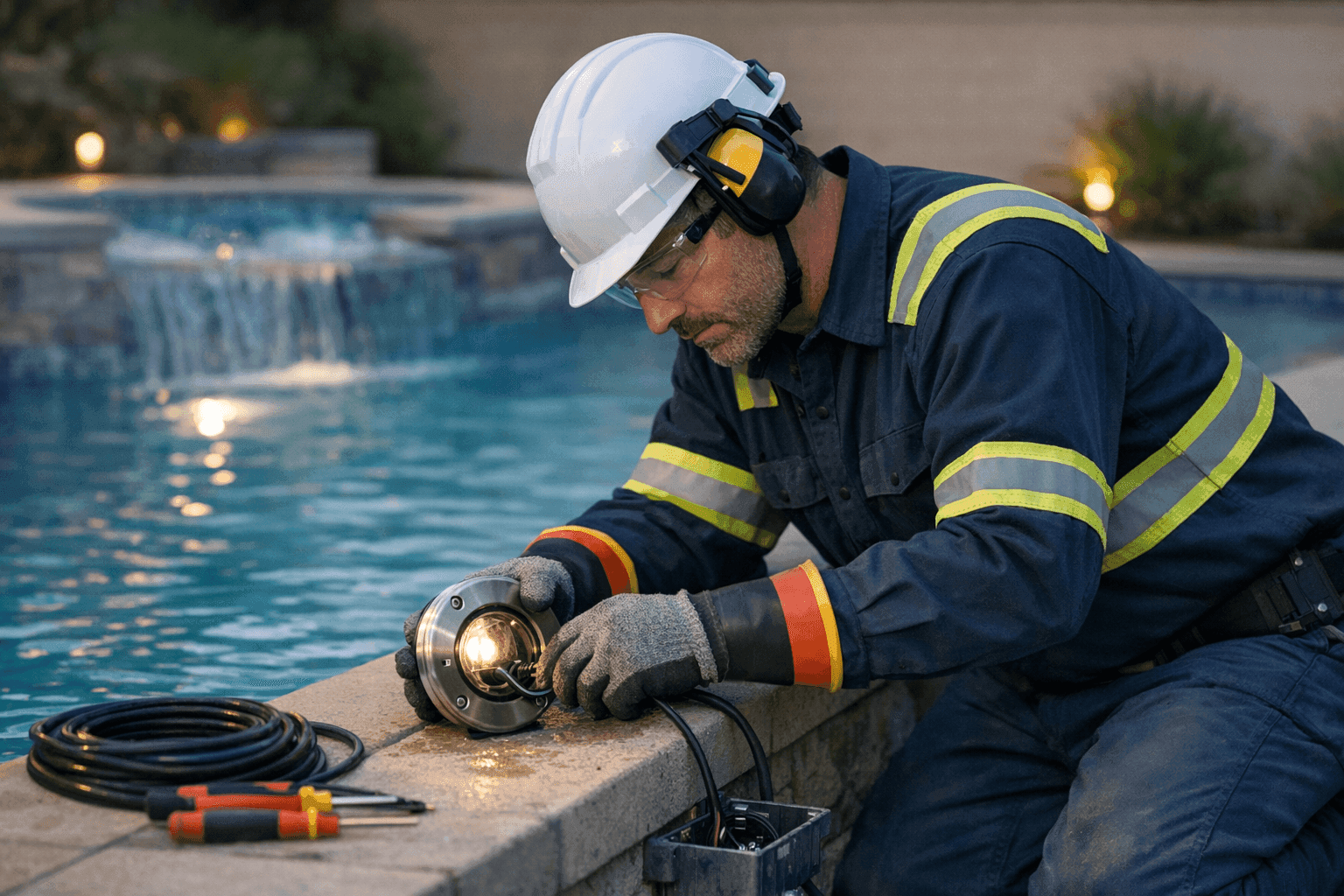
There’s something magical about a pool that glows at dusk. But the safety and performance of your pool & spa lighting don’t happen by accident. Behind every shimmering surface is a careful plan—one that puts safety, compliance, and reliability first.
Whether you’re planning to install new lights or looking to keep your current setup safe and sparkling, understanding the right steps can save you headaches and hazards down the road. Angelic Electric is here to guide you through the essentials for peace of mind and years of enjoyment.
Choosing Pool & Spa Lighting ✨
Lighting isn’t just for looks. The right fixtures mean safer swimming and longer evenings under the stars. Here’s what to consider:
- Waterproof ratings: Only use lights specifically designed for underwater use, rated “wet location” or higher.
- Low voltage vs. line voltage: Low voltage systems (usually 12V) are safer around water and often required by code.
- LED vs. halogen: LEDs last longer, run cooler, and use less energy.
- Color and brightness: Consider how the light will look in water and if you want color-changing features.
- Control options: Remote control or smart automation can add convenience.
When in doubt, consult a licensed electrician. The right fit keeps your pool inviting—and safe.
Safe Installation Steps
Installing pool & spa lighting isn’t like swapping out a living room bulb. Water and electricity demand respect. Here’s how pros approach it:
- Plan the circuit: Map out where fixtures and controls will go. Make sure there’s a dedicated GFCI (ground fault circuit interrupter) in the line.
- Shut off power: Always begin with the breaker OFF. Double-check with a voltage tester.
- Install niche and conduit: The niche (housing) must be securely installed in the pool wall before concrete or liner is finished.
- Pull wiring: Use conduit rated for underwater use. Keep all connections above the waterline when possible.
- Mount the fixture: Gaskets and seals must be tight to keep water out.
- Bond and ground: Proper bonding and grounding prevent stray currents—a hidden but serious hazard.
- Test before filling: Power up and check for leaks, flickers, or GFCI trips before anyone swims.
These steps aren’t guesswork—they’re required by the National Electrical Code (NEC) and local codes. If you’re ever unsure, call an electrician for pool & spa electrical Pool & Spa Electrical.
Maintenance and Troubleshooting
Once your pool lighting is in, care doesn’t stop there. Like a garden, it needs regular tending. Here’s how to keep things bright:
- Inspect monthly: Look for cracked lenses, loose fixtures, or exposed wires.
- Test GFCIs: Press “test” and “reset” buttons to ensure protection is active.
- Clean lenses: Dirt and algae reduce brightness. Only clean when power is OFF.
- Replace bulbs: If a light is dim or out, use only manufacturer-approved replacements.
If lights flicker, trip the breaker, or stop working, it’s time for a closer look. Sometimes, it’s just a bulb. Other times, it’s a sign of wiring issues or water intrusion—call an electrician before swimming resumes.
Code Compliance and Safety
Pool & spa lighting is governed by strict codes for a reason. The NEC Article 680, for example, sets minimum distances for lights from water, depth of wiring, and bonding requirements. Local regulations may add more layers.
- GFCI protection: All outlets and circuits for pool lighting must be GFCI-protected.
- Bonding: All metal parts (rails, ladders, lights) must be bonded to prevent shock hazards.
- Permits: Most towns require permits and inspections for new or major electrical work.
Never cut corners on code. Safety inspections from a qualified electrician catch small issues before they become dangerous.
When to Upgrade or Replace
Even the best pool lighting ages. Here’s when to consider an update:
- Frequent breaker trips: May signal moisture or wiring degradation.
- Old halogen fixtures: LEDs save energy and run cooler.
- Visible corrosion or rust: Water and metal don’t mix for long.
- Outdated controls: Upgrade for smart features or remote operation.
- Discolored or cracked lenses: These can leak or shatter.
If you’re unsure, schedule a maintenance check. Angelic Electric can advise if a repair or full upgrade makes the most sense.
The DIY Question: When to Call a Pro
Changing a bulb? Maybe. Running new wiring or replacing fixtures? That’s a job for a licensed electrician. Pools and spas mix water, electricity, and people—leave nothing to chance.
Attempting a DIY fix without the right knowledge is like swimming in the dark. You might be fine…or you might not see the hazards below the surface.
Quick Safety Checklist
- Always turn off power at the panel before working on pool lighting.
- Never use extension cords for pool lights.
- Test GFCIs monthly.
- Inspect fixtures and wiring regularly.
- Don’t swim if any light is flickering or off unexpectedly.
Following these steps keeps your pool inviting, not intimidating.
Seasonal Considerations
Your pool’s lighting faces sun, rain, and freeze. In spring, inspect all fixtures before the first swim. In fall, clean and dry exposed parts, and consider turning off or removing lights if you winterize your pool.
Common Mistakes to Avoid
- Using residential indoor fixtures outdoors or underwater.
- Skipping bonding and grounding steps.
- Overloading circuits with too many lights or features.
- Ignoring GFCI or breaker trips.
- Forgetting regular inspections.
Mistakes in pool lighting can be more than inconvenient—they can be life-threatening. When in doubt, call a professional.
Signs of Trouble
Don’t ignore these red flags:
- Lights flicker, dim, or buzz.
- Breaker or GFCI trips repeatedly.
- Water inside the light lens.
- Corrosion or rust on fixtures.
- Lights stay on when switched off.
If you notice any of these, stop using the pool and contact an electrician.
Costs & Time Factors
Pool lighting work varies in price and time. Simple bulb changes may take minutes, while new installations or upgrades can take several hours. Materials—especially underwater-rated fixtures—cost more, but safety is worth every penny.
Investing in professional installation can save you time, money, and worry.
Timeline & Disruption
Most repairs or installations can be done in a day, but some complex jobs—like rewiring or adding automation—may take longer. Plan ahead, especially before pool season.
Prevention & Maintenance
A little care goes a long way:
- Schedule annual electrical safety inspections.
- Clean and check fixtures every month.
- Upgrade aging components before they fail.
Check out our lighting and maintenance services for help keeping everything in top shape.
Frequently Asked Questions
Q: Can I replace a pool light myself?
A: Changing a bulb might be possible if you have the manual and the right replacement, but wiring or fixture work should be left to a professional.
Q: Why does my pool light keep tripping the breaker?
A: This can mean a dangerous fault—water in the fixture, damaged wiring, or a failed GFCI. Don’t ignore it.
Q: How do I know if my pool lighting is up to code?
A: Schedule an inspection with an electrician. Codes change, and what was safe years ago may not be safe today.
Why Professional Installation Matters
A skilled electrician knows how to keep you, your family, and your pool safe. They handle the details—permits, bonding, wiring, inspections—so you can relax and enjoy the glow. For residents looking for Pool & Spa Electrical in Sioux Falls, Angelic Electric brings reliable service and deep expertise.
Call Angelic Electric now — or reach us anytime at 844-440-1817 .