How to Safely Install and Wire Kitchen Appliances
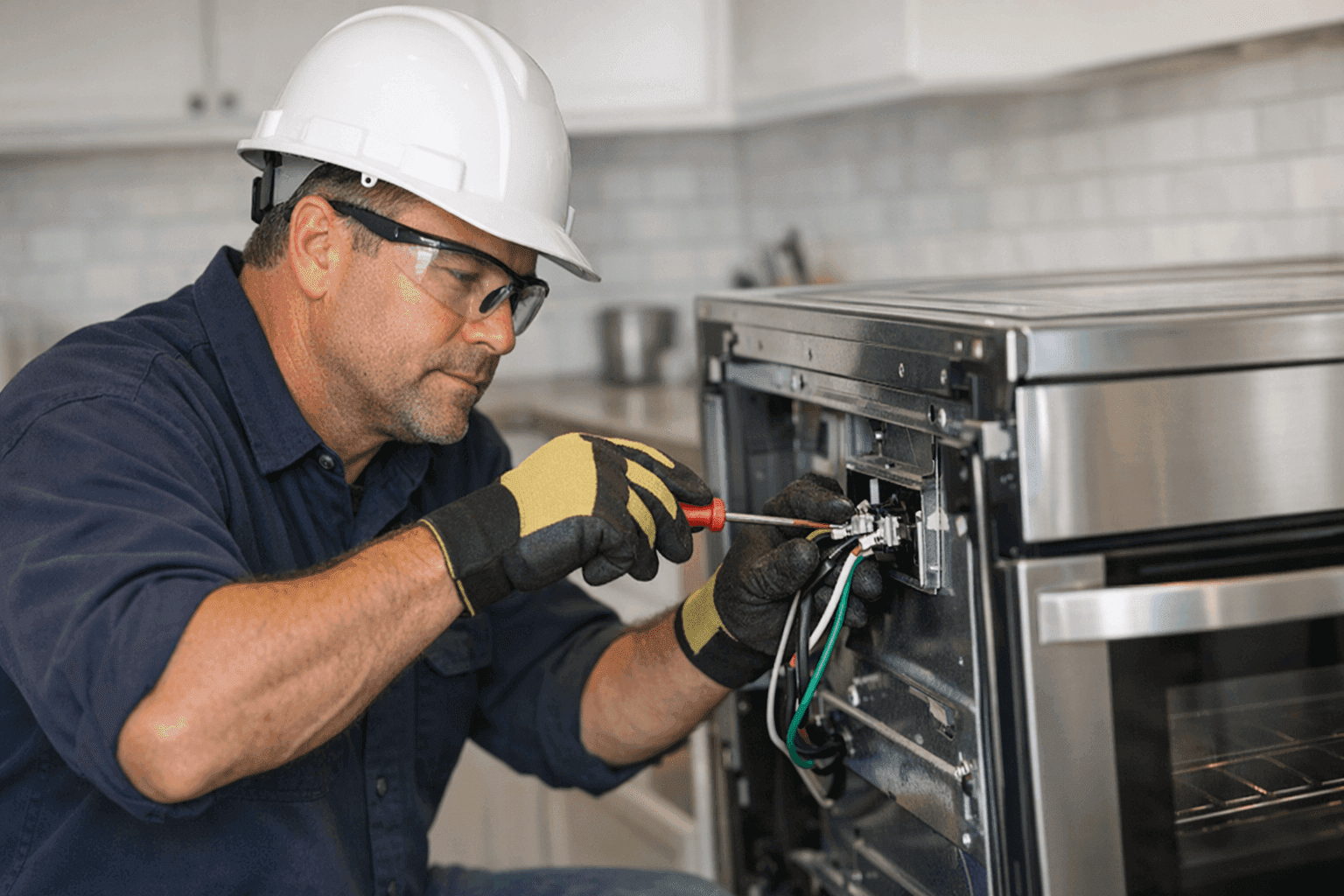
Is your kitchen buzzing with energy, or is it more like a tangled spaghetti of cords and risky shortcuts? The kitchen is the heart of your home—but it’s also one of the most power-hungry (and safety-critical) rooms you’ll ever deal with. At Angelic Electric, we know that installing and wiring new appliances can be daunting. Your safety, comfort, and investment are all on the line.
Let’s break down how to install and wire kitchen appliances the right way—so your next culinary masterpiece doesn’t come with a side of electrical hazard.
Common Kitchen Appliances and Power Needs ⚡
Every kitchen is unique, but most are packed with appliances that demand serious power. Here’s a quick look at the usual suspects:
- Refrigerators: Usually need a dedicated 15-20 amp circuit.
- Dishwashers: Require their own circuit, often 15 amps or more.
- Ovens and Ranges: Can call for 240 volts and a 40-50 amp circuit.
- Microwaves: Typically use 15-20 amps; some need their own outlet.
- Garbage Disposals & Compactors: Often need a dedicated 15-20 amp circuit.
- Coffee Makers, Mixers, and Toasters: Smaller, but can overload a shared outlet quickly.
Some appliances pull a steady load all day (like your fridge), while others spike suddenly (think: microwave popcorn time). Knowing the power appetite of each helps prevent overloads—and headaches.
Safe Wiring and Installation Steps
Ready to roll up your sleeves? Here’s what safe installation really looks like:
- Turn Off Power
Always shut off the circuit at the breaker before starting. Use a voltage tester to confirm. - Read Manufacturer’s Instructions
No two appliances are wired exactly the same. Always follow the included guide. - Check Circuit Size
Make sure the wire gauge and breaker match the appliance requirements (see the NEC—National Electrical Code—for specs). - Install the Right Outlet
GFCI (Ground Fault Circuit Interrupter) outlets are a must near sinks. Use three-prong grounded outlets for modern appliances. - Connect Wires Securely
Strip wires to the right length and use wire nuts. Tug gently—if it pulls free, it’s not secure. - Double-Check Everything
Before restoring power, check for loose wires, exposed copper, or anything that doesn’t look right. - Test the Appliance
Power up and test every function—don’t just assume it works.
A few minutes spent on safety now can save you hours (and big repair bills) later.
Circuit and Outlet Considerations
Wiring isn’t just about connecting A to B. The path electricity takes—and the stops it makes along the way—matter:
- Dedicated Circuits:
Big appliances like ranges, microwaves, and dishwashers need their own circuits. Don’t double up. - Proper Outlet Placement:
Kitchens need outlets every four feet along the counter (per the NEC). No extension cords! - GFCI Protection:
Outlets near water sources (sinks, dishwashers) must be GFCI-protected to cut power instantly if there’s a fault. - Amperage Ratings:
Never plug a high-power device into an outlet or circuit not rated for it. That’s asking for trouble. - Wire Gauge:
Use the correct wire size for each appliance. Undersized wires get hot—fast.
Avoiding Overloads and Hazards
Think of your home’s wiring like a highway system. Too many cars (or appliances) cause traffic jams. Here’s how to keep the lanes clear:
- Don’t Daisy-Chain Devices:
Plugging multiple appliances into one outlet via power strips can start fires. - Watch for Tripped Breakers:
If a breaker keeps popping, you’re overloading the circuit or there’s a fault. - Replace Old Wiring:
Outdated or damaged wires are a major fire risk. If your home has knob-and-tube wiring, it’s time for an upgrade. - Check for Warm Outlets:
If an outlet feels hot, unplug everything and call an electrician.
When to Call a Pro
Some jobs are DIY-friendly. Others? Not so much. Here’s when to bring in a licensed electrician:
- Installing high-voltage appliances (ovens, cooktops, dryers)
- Running new wiring or adding circuits
- Dealing with aluminum or old wiring
- If you see sparking, smoke, or smell burning plastic
- Upgrading your electrical panel
Electricians are trained to handle these risks safely and efficiently. Don’t gamble with your family’s safety.
For challenging jobs—like integrating kitchen appliances into a home automation system, or tackling a full kitchen remodel—see our appliances and wiring and circuits service pages.
Quick Safety Checklist Before You Start
- Power off at the breaker box
- Wear insulated gloves and safety glasses
- Have a voltage tester on hand
- Follow all manufacturer instructions
- Never work alone—someone should be nearby in case of emergency
DIY vs. Hiring an Electrician
You can swap out a plug or install a microwave if you’re comfortable and have the right tools. But for anything that involves new wiring, high voltage, or a new circuit, it’s time to call an electrician. The risks—fire, shock, even code violations—are too big to ignore.
What to Expect When an Electrician Arrives
Here’s what happens when you call Angelic Electric for kitchen appliance work:
- We assess your power needs and inspect existing wiring.
- We recommend circuit upgrades if needed.
- We install and test outlets, switches, and appliances.
- We ensure everything meets code and passes inspection.
Our team comes equipped for anything—from outlets and switches to complete installations.
Prevention & Maintenance
Like any hardworking part of your home, your kitchen’s wiring needs occasional TLC:
- Test GFCI outlets monthly.
- Check cords and plugs for wear.
- Schedule a professional electrical safety inspection every few years—especially in older homes.
Costs & Time Factors
Simple plug-and-play appliances? You might spend an hour or two. Bigger jobs—like new wiring or adding circuits—can take a day or more, especially if drywall needs patching.
Costs vary based on complexity, the number of appliances, and whether upgrades are needed. But remember: Cutting corners now can cost much more later.
When It’s an Emergency
If you see sparks, smell burning, or your breaker won’t reset, don’t wait. Turn off the main breaker and call an electrician immediately. Electrical emergencies in the kitchen can escalate quickly.
If you’re in need of reliable electrician services in Fargo, Angelic Electric is ready to help—day or night.
Seasonal Considerations
Holiday cooking? Summer barbecues? Peak appliance use means extra strain on your wiring. Before big gatherings, check outlets and test GFCIs. If you’re adding new gadgets, make sure your panel can handle the load.
Common Mistakes and How to Avoid Them
- Using extension cords as permanent fixes
- Ignoring repeated tripped breakers
- Failing to ground outlets
- Skipping permits or inspections
A little care now prevents a lot of hassle down the road.
Signs of Trouble
Keep an eye (and ear) out for:
- Flickering lights when appliances run
- Buzzing outlets or switches
- Persistent electrical “burn” smells
- Outlets that don’t hold plugs snugly
These are warning signs. Don’t ignore them.
Timeline & Disruption
Most small installations take a few hours. Larger jobs—like running new circuits—may mean some wall cutting or downtime. Plan ahead, especially if you’re remodeling or getting ready for a big event.
Materials & Equipment
For most kitchen appliance wiring jobs, you’ll need:
- Voltage tester
- Wire strippers and cutters
- Screwdrivers
- Wire nuts and electrical tape
- GFCI outlets and proper gauge wire
Always use UL-listed products and follow NEC guidelines for safety.
FAQ: Kitchen Appliance Wiring
Q: Can I use an old outlet for my new appliance?
A: Only if it matches the required amperage, voltage, and grounding. Otherwise, upgrade.
Q: What if my panel is full?
A: You may need a subpanel or an upgrade. This is a job for a licensed electrician.
Q: Are permits required?
A: In most cases, yes. Electrical work often needs inspection for safety and insurance.
For more details, consult the National Electrical Code (NEC) or reach out to your local authorities.
If you’re ready for safer, smarter kitchen appliances—or just want peace of mind—reach out to Angelic Electric. Our team can handle everything from outlets and switches to full kitchen rewiring.
Call Angelic Electric now — or reach us anytime at 844-440-1817 .