How to Safely Manage High-Powered Appliances at Home
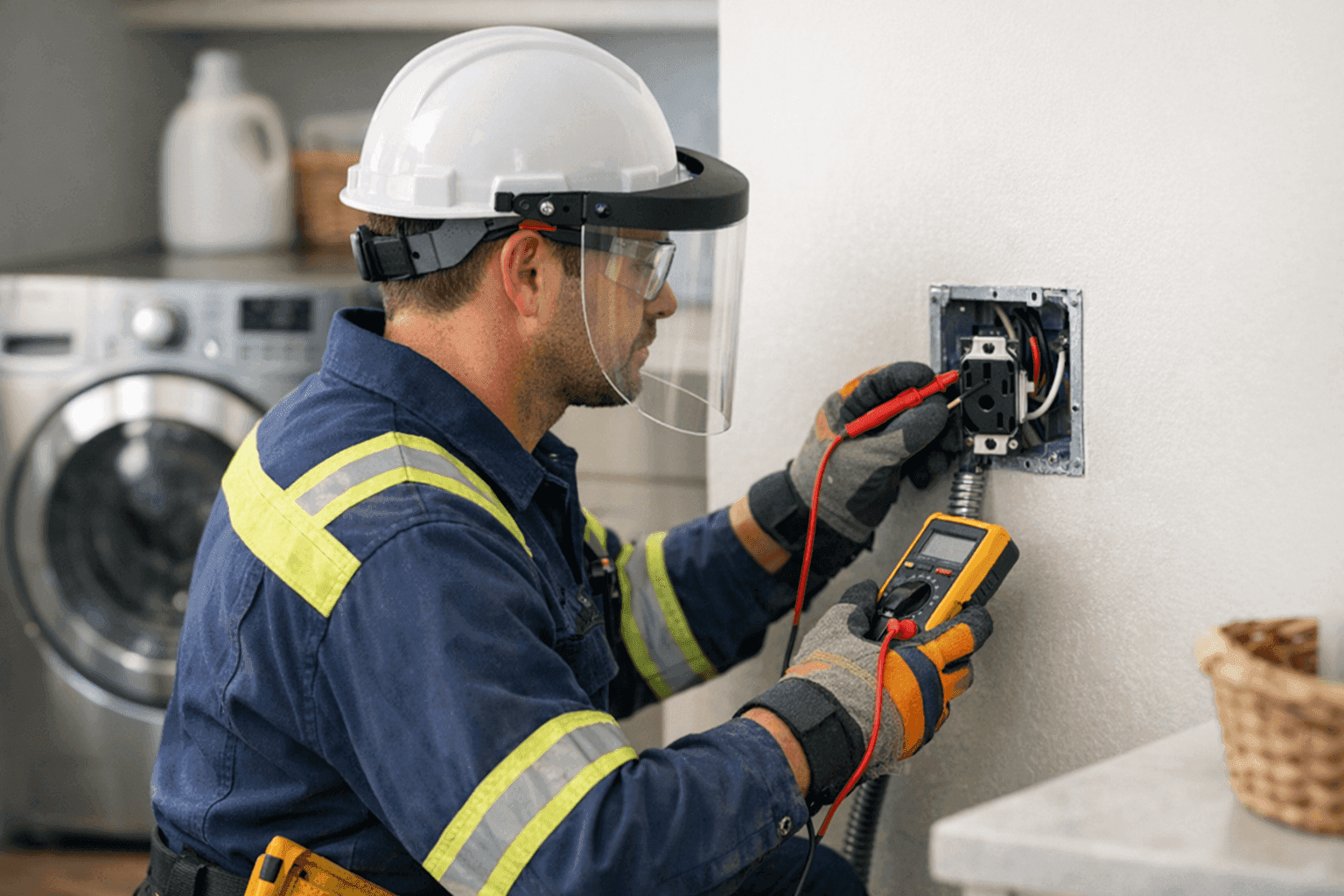
Is your laundry room buzzing? Does your kitchen hum with the sound of modern convenience? From dryers to ovens, high-powered appliances are the muscle behind daily comfort—but they also demand respect. One wrong step, and your home could face more than just a tripped breaker.
At Angelic Electric, we’ve seen what happens when power meets impatience. This guide will help you keep your home safe, your appliances running, and your family protected.
Common High-Powered Home Appliances ⚡
Everyday life depends on some heavy hitters. Here’s a quick look at the usual suspects:
- Electric dryers
- Ovens and stovetops
- Water heaters
- HVAC systems
- Dishwashers
- Microwaves
- Pool pumps and hot tubs
- Backup generators
These appliances pull serious current. They’re not like your phone charger or table lamp. Think of them as the heavyweight champions in your electrical lineup. They need their own space—and attention.
Circuit and Outlet Requirements
You wouldn’t run a marathon in sandals. Likewise, your high-powered appliances need the right “shoes”—dedicated circuits and strong outlets.
What does that mean?
- Most large appliances require a dedicated circuit: one breaker, one appliance.
- Outlets must match the appliance’s voltage and amperage (often 240V for dryers, ovens).
- Worn or mismatched outlets are like potholes for electricity—dangerous and damaging.
The National Electrical Code (NEC) lays out strict requirements for appliance wiring and circuit sizing. When in doubt, check your appliance’s manual or call an electrician.
Safe Operating Tips
A little care goes a long way. Try these practical habits:
- Read the manual. Every appliance is a little different.
- Don’t daisy-chain power strips. Ever. High-powered appliances should plug directly into the wall.
- Keep cords visible and untangled. If the cord or plug gets hot, unplug immediately.
- Never run appliances with damaged cords or outlets.
If you’re adding new equipment—like a smart oven or a second dryer—get your wiring checked first. Overloading a circuit is like stuffing too many people into an elevator. Eventually, something gives.
Warning Signs of Trouble
Electrical issues don’t always shout—they whisper. Listen for:
- Flickering lights when the appliance starts
- Breakers that trip frequently
- Outlets or switch plates that feel hot
- Burning smells or buzzing sounds
- Sparking or scorch marks at the outlet
Any one of these is a red flag. Don’t ignore it.
When to Call a Professional
Some projects are DIY-friendly. Others? Not so much. Here’s when you should step back and let a licensed electrician take the wheel:
- Installing or moving a high-powered appliance
- Upgrading wiring or outlets
- Panels & Breakers upgrades or replacement
- If you suspect your circuits are overloaded
- Outlets & Switches near you are outdated or damaged
If you’re in doubt, ask yourself: Could this put my family at risk? If the answer is yes—or even maybe—call for help.
Ready to talk with an electrician in East Lansing about your next project or safety concern? We’re here to help.
Quick Safety Checklist
- Only use appliances for their intended purpose.
- Don’t block appliance vents or fans.
- Unplug when not in use, especially for countertop appliances.
- Schedule regular electrical safety inspections.
It’s like checking your smoke detectors—routine, but crucial.
DIY vs. Call a Pro
Changing a light bulb? Go ahead. Rewiring your oven? That’s a different ballgame.
- DIY: Replacing appliance plugs, checking for tripped breakers, resetting GFCIs.
- Call a Pro: New circuit installation, breaker upgrades, troubleshooting mystery outages.
Remember: Electricity is invisible, but the risks are real. Play it safe.
What Pros Do On Arrival
When an Angelic Electric technician arrives, here’s what you can expect:
- Inspection of your wiring and circuits
- Testing of outlets and breakers
- Review of appliance load requirements
- Checking for code compliance (per NEC)
- Recommendations for upgrades or repairs
We work efficiently to minimize downtime—and we’ll explain every step.
Prevention & Maintenance
Prevention is the unsung hero of home safety.
- Schedule annual electrical system inspections.
- Upgrade old wiring, especially in homes over 30 years old.
- Install surge protection to guard sensitive appliances.
Regular maintenance keeps surprises at bay and helps your appliances last longer.
Costs & Time Factors
Every home is unique, so costs can vary. Factors include:
- Age of your electrical system
- Scope of the upgrade (new circuits, panels)
- Number of appliances involved
Quick fixes, like replacing an outlet, take less than an hour. Larger jobs—such as panel upgrades—could take half a day or more. We’ll always walk you through what’s needed.
When It’s an Emergency
Signs of immediate electrical danger:
- Smoke, sparks, or fire from outlets/appliances
- Repeated breaker trips that won’t reset
- Power loss to essential appliances (fridge, sump pump, medical devices)
In these cases, shut off power at the panel if you can do so safely, then call for emergency electrician service.
FAQ: Your Appliance Safety Questions
Q: Can I use extension cords for my washer or dryer?
A: No. High-powered appliances should always be plugged directly into a dedicated outlet.
Q: My breaker keeps tripping—should I replace it myself?
A: No. Repeated tripping could mean a serious wiring or load issue. Let a professional diagnose the cause.
Q: How do I know if my wiring is up to code?
A: Schedule an electrical safety inspection. Codes change, and older homes often need upgrades.
Seasonal Considerations
Storm season brings its own risks. Lightning strikes and power surges can fry even the toughest appliance. Consider surge protection for peace of mind, especially if you rely on sensitive equipment or backup generators.
Common Mistakes to Avoid
- Plugging multiple high-powered appliances into the same circuit
- Ignoring strange smells or noises
- Using old or damaged extension cords
- Overlooking the need for professional installation
Mistakes like these can lead to costly repairs—or worse.
Timeline & Disruption
Worried about downtime? Most minor fixes are done in under an hour. Larger upgrades—like a new panel—may take a half day, but we’ll always minimize disruption and keep you informed.
Materials & Equipment
We use only code-approved wiring, high-quality outlets, and UL-listed breakers. Your safety is never left to chance.
The Takeaway
High-powered appliances are vital, but they need respect. From proper installation to ongoing maintenance, a little care keeps your home running smoothly and safely.
If you’re adding new appliances, upgrading your Wiring & Circuits, or need a checkup for your Panels & Breakers, Angelic Electric is here for you.
Call Angelic Electric now — or reach us anytime at 844-440-1817 .