How to Safely Replace and Upgrade Home Wiring
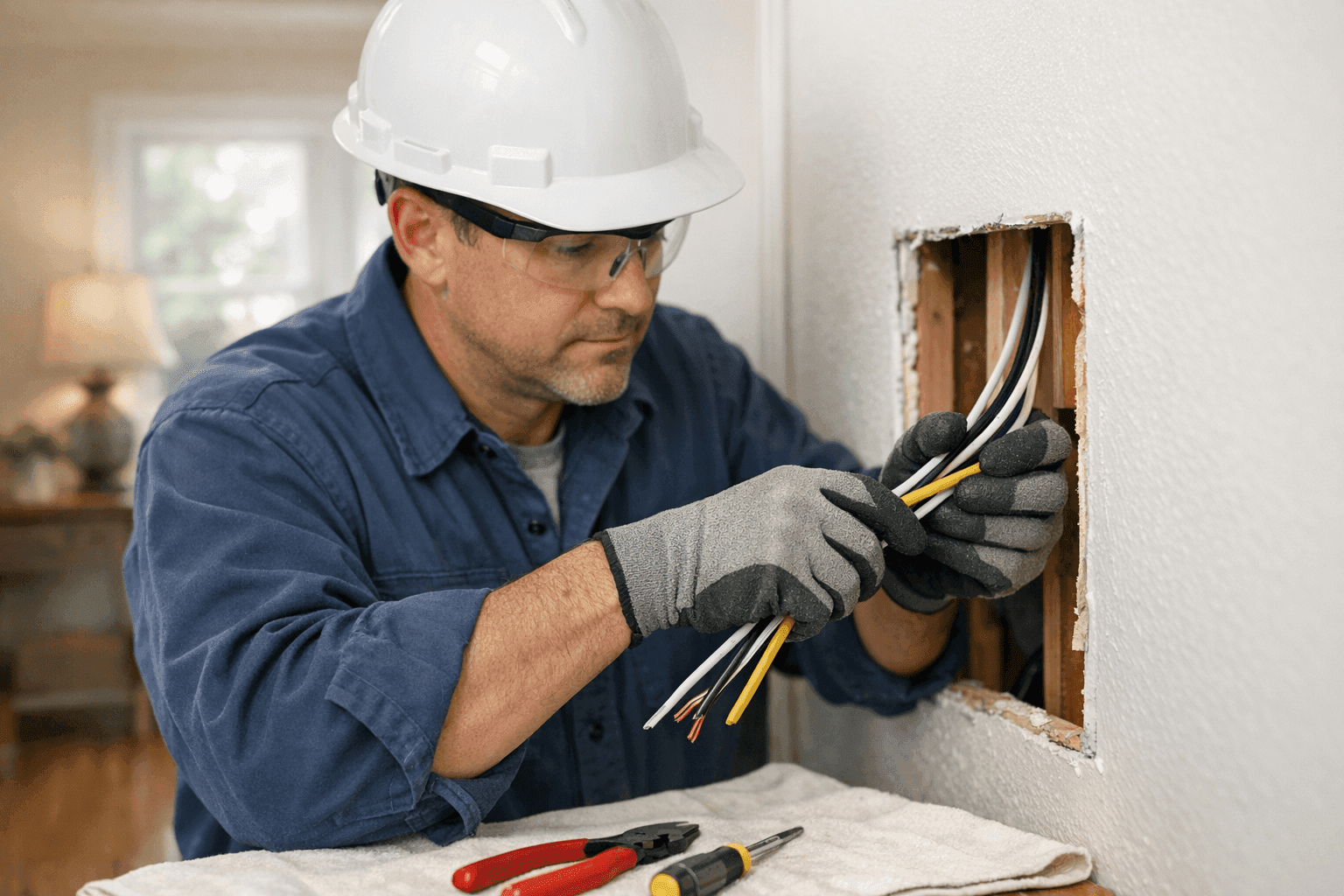
Does the thought of old, brittle wires behind your walls keep you up at night? You’re not alone. Wiring is the invisible backbone of your home’s safety—yet it’s easy to forget until something goes wrong. If you’re considering an upgrade, it’s not just about powering up new gadgets. It’s about protecting your loved ones and your investment.
At Angelic Electric, we’ve seen how timely re-wiring can prevent headaches, hazards, and insurance nightmares. Here’s your guide to safely replacing and upgrading your home wiring—step by step, minus the jargon.
When Should You Replace Home Wiring? ⚡
Wiring, like bread, doesn’t last forever. Over time, insulation cracks, connections corrode, and standards change. But how do you know it’s time? Watch for these telltale signs:
- Frequent blown fuses or tripped breakers
- Flickering or dimming lights
- Warm or discolored outlets and switches
- Buzzing sounds from walls
- Aluminum wiring in homes built between 1965–1973
- Knob-and-tube wiring in homes older than 1950
If your home’s electrical system is older than your favorite classic car, or if you’re planning major renovations, it’s probably time to act. The National Fire Protection Association (NFPA) reports faulty wiring as a leading cause of residential fires—so don’t wait for sparks to fly.
Planning Your Wiring Upgrade
Upgrading wiring is like open-heart surgery for your house. It takes planning. Start by:
- Assessing your home’s age and electrical demands
Modern appliances, smart devices, and HVAC put more stress on old systems. - Making a list of areas to upgrade
Kitchens, bathrooms, and laundry rooms often need higher capacity. - Considering future needs
EV charger? Home office? Pool or spa? Think ahead. - Budgeting with a buffer
Hidden issues often surface once walls are opened.
Pro tip: Map out your devices and outlets. This helps your electrician create a plan that fits your lifestyle, not just your home’s square footage.
Safety and Code Requirements
Wiring isn’t a place to cut corners. The National Electrical Code (NEC) sets strict rules for everything from wire gauge to breaker types. Following code isn’t about red tape—it keeps your insurance valid and your family safe.
- Use only UL-listed materials
- Install GFCI outlets in kitchens, baths, and outdoors
- Update old fuse boxes to modern breakers
- Ground all outlets properly
- Smoke and carbon monoxide detectors in the right spots (as per local code)
Cities may have additional requirements, so always check with your local authorities before starting. Better yet, work with a licensed electrician who stays current with code changes.
Minimizing Home Disruption 🏠
No one wants their daily life turned upside down. Good planning can make the process smoother:
- Schedule work in phases
Tackle one floor or section at a time. - Move fragile or valuable items out of work areas
- Cover furniture and floors to shield from dust
- Communicate with your electrician about pets, kids, and routines
A professional will patch up walls and clean up at the end of each day—making the process less of a construction zone, more of a well-oiled machine.
Professional vs. DIY Rewiring
Some repairs you can handle with a screwdriver and YouTube. Whole-house rewiring is not one of them. Here’s why:
- Permits and inspections: Most municipalities require both.
- Safety: Mistakes can be deadly.
- Insurance: DIY work often voids your policy.
- Efficiency: A licensed electrician knows how to plan circuits for safety and convenience.
Save your DIY energy for painting. For everything else, call in an electrician—especially for complex jobs like Wiring & Circuits or Re-wiring.
Common Mistakes to Avoid
Even well-intentioned homeowners make errors. Here are the big ones:
- Ignoring warning signs: Flickering lights aren’t “just a quirk.”
- Overloading circuits: Extension cords are not a solution.
- Mixing old and new wiring: This can create dangerous connections.
- Skipping permits: Local inspectors are there for your protection.
The Timeline: How Long Will It Take?
Every home is different, but here’s a rough breakdown:
- Small homes or condos: 3–5 days
- Average single-family homes: 7–10 days
- Larger or historic properties: Up to 3 weeks
Unexpected issues—like hidden water damage or outdated panels—can extend the timeline. A good electrical contractor will keep you updated every step of the way.
What Does a Professional Electrician Do On Arrival?
Expect a thorough walk-through. Your electrician will:
- Inspect panels, outlets, and visible wiring
- Test circuits for load and continuity
- Check grounding and bonding
- Review your needs and answer your questions
Then, they’ll provide a detailed estimate so there are no surprises.
Electrical Safety Inspections: Why They Matter
Think of safety inspections as a check-up for your home’s heart and veins. Regular inspections:
- Catch fire hazards early
- Ensure code compliance
- Protect against shock and electrocution
The Electrical Safety Foundation International (ESFI) recommends inspections every 5–10 years—or before selling or renovating.
Emergency Wiring Issues: What To Do Right Now
If you notice smoke, burning smells, or sparking outlets, don’t wait. Turn off the main breaker and call for 24-hour emergency service. Safety first—always.
Seasonal Considerations for Wiring Upgrades
Spring and fall are ideal times. Extreme heat or cold can slow down projects and disrupt your comfort. Planning ahead keeps your home safe, year-round.
Frequently Asked Questions
Can I stay home during a re-wiring project?
Yes, but expect some rooms to be off-limits on certain days.
Will I lose power?
Some circuits will be shut off temporarily. Your electrician will keep you informed.
How much does it cost?
Costs vary based on home size, scope, and materials. Get a detailed quote before work begins.
Prevention & Maintenance Tips
- Schedule regular safety checks
- Don’t ignore tripped breakers or buzzing outlets
- Replace aging smoke and carbon monoxide detectors
- Unplug appliances when not in use
What Materials And Equipment Will Be Used?
Modern rewiring uses copper wires, tamper-resistant outlets, AFCI and GFCI protection, and updated breaker panels. All materials must be UL-listed and code-compliant.
Why Choose Angelic Electric?
We handle everything from rewiring to upgrades on Outlets & Switches near you—with a focus on safety, efficiency, and clear communication. If you’re seeking a licensed electrician company with experience in residential homes, see how we help homeowners with Wiring & Circuits and more.
Worried about old wiring or planning an upgrade? Don’t wait for a spark to make the first move.
Call Angelic Electric now — or reach us anytime at 844-440-1817 .