How to Safely Troubleshoot and Repair Electrical Outlets
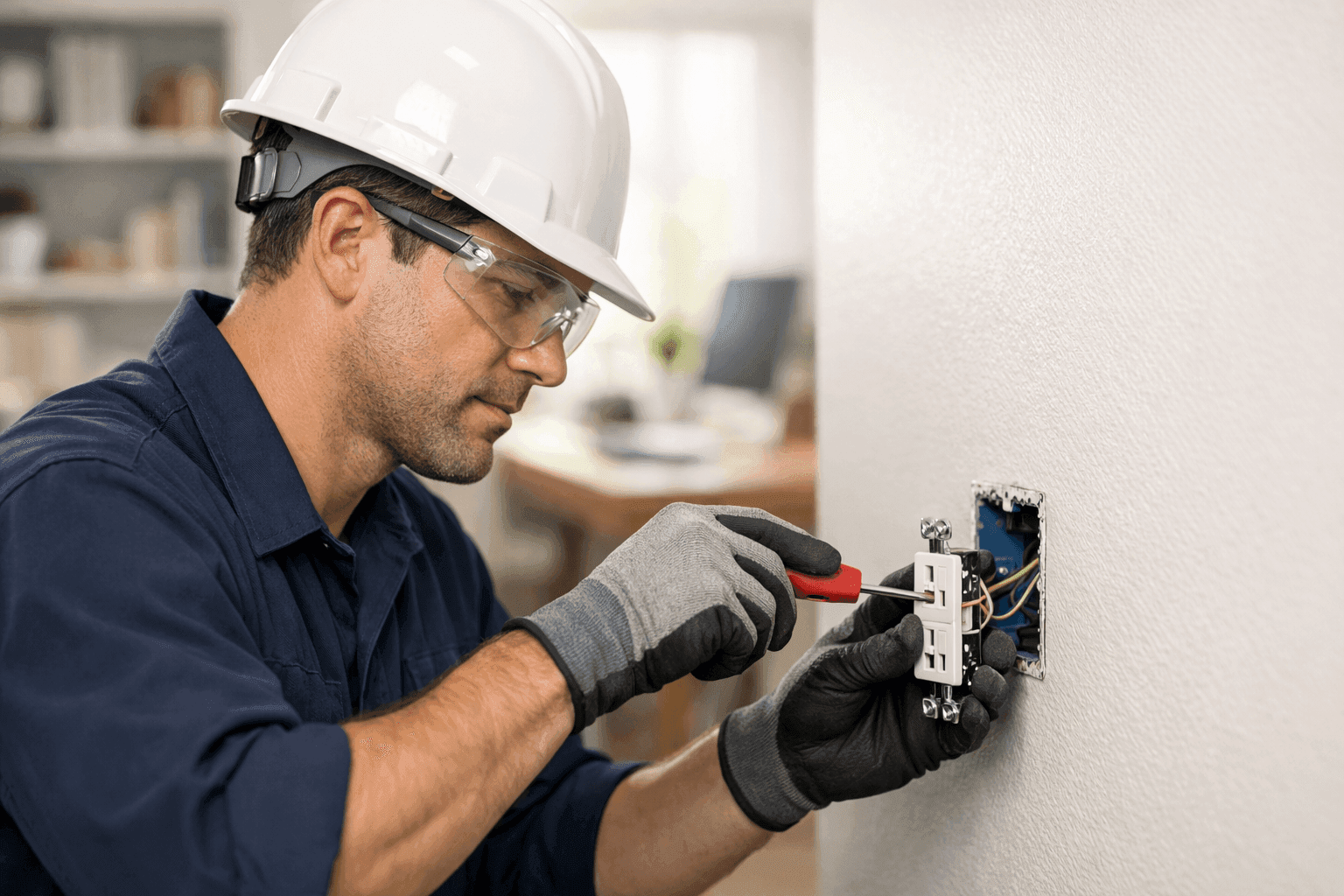
Are you worried about that one outlet that’s suddenly stopped working? Maybe you’ve noticed a strange buzzing sound—or worse, a scorch mark. When outlets go wrong, it can feel like your home’s heartbeat just skipped. At Angelic Electric, we know how urgent—and nerve-wracking—these issues can be. Your safety matters, and so does your peace of mind.
In this guide, we’ll walk through common outlet problems, safe troubleshooting steps, and straightforward fixes you can try. We’ll also help you recognize when it’s time to call an electrician. And yes, we’ll share how to keep your outlets healthy so you’re not left in the dark again.
Common Outlet Issues
Most outlets are as dependable as an old friend, quietly powering your day. But when trouble strikes, it’s hard to ignore. Here are some of the most frequent issues homeowners run into:
- Dead Outlets: You plug in a lamp, but nothing happens.
- Loose Outlets: The plug wiggles or falls out easily.
- Burn Marks or Melting: Signs of heat damage—never a good thing.
- Sparking: Even a small spark can signal a bigger issue.
- Buzzing or Crackling: Outlets should never make noise.
- Tripped Breakers: Outlets that trip the breaker repeatedly.
- Warm or Hot Outlets: A warning sign that shouldn’t be ignored.
Each of these issues can have several causes, from simple wear and tear to more complicated wiring problems. Knowing what’s normal—and what’s not—can help you act quickly and safely.
Safe Troubleshooting Steps 🛑
Before you do anything, remember: electricity is powerful. Treat it with respect. Start with these safety-first steps:
- Turn Off Power: Head to your electrical panel and switch off the breaker for the outlet in question.
- Test for Power: Use a non-contact voltage tester to double-check that the outlet is truly off.
- Unplug Devices: Remove anything plugged into the outlet.
- Look for Obvious Damage: Check for scorch marks, melting, or cracked faceplates.
- Do Not Touch Bare Wires: If you see exposed wiring, stop. This is not a DIY moment.
These steps aren’t just about caution—they’re about preventing injuries and protecting your home.
Simple Repairs Homeowners Can Try
Sometimes, the fix is simple. If you’re comfortable and the power is off, here are a few things you can safely try:
- Reset a Tripped GFCI: Some outlets, especially in kitchens and bathrooms, have reset buttons. If the outlet has tripped, press the reset button and see if power returns.
- Tighten Loose Outlets: If the outlet is wobbly, remove the faceplate and gently tighten the mounting screws.
- Check Plugged-In Devices: Sometimes, the problem is actually with the lamp, charger, or appliance—not the outlet.
- Replace the Faceplate: Chipped or cracked plates can be swapped out with a screwdriver.
Remember, if these simple fixes don’t work, or if you spot any damage, it’s time to stop and assess.
When to Call an Electrician
There’s a line between “DIY” and “dangerous.” Call a licensed electrician if:
- You see sparks, smoke, or burn marks.
- Outlets are hot or warm to the touch.
- There’s a persistent burning smell.
- The breaker won’t reset or trips repeatedly.
- You find exposed or frayed wires.
- You’re unsure or uncomfortable at any point.
Some jobs just aren’t worth the risk. For major repairs, rewiring, or anything involving your home’s electrical system, a professional is the only safe choice. Need help with Fault Finding? Angelic Electric can help, 24 hours a day.
Preventing Outlet Problems
Prevention is better than a blown fuse. Keep your outlets working their best with these practical tips:
- Don’t Overload Outlets: Plugging in too many devices can overheat your system.
- Inspect Regularly: Make it a habit to check outlets for damage or looseness.
- Use Surge Protectors: Shield your electronics and outlets from power spikes.
- Childproof as Needed: Use safety covers in homes with young children.
- Schedule Routine Electrical Safety Inspections: Regular checkups catch small issues before they become big problems.
Following National Electrical Code (NEC) standards and guidance from the Electrical Safety Foundation International (ESFI) can help you stay on the safe side.
Quick Safety Checklist
- Always turn off power at the breaker before working on outlets.
- Use the right tools—never improvise with kitchen utensils or coins.
- Wear rubber-soled shoes and avoid working in wet areas.
- Never ignore warning signs like burning smells or warm outlets.
- Double-check for power with a tester every time.
Safety isn’t optional. It’s the foundation of every electrical job, big or small.
DIY vs. Call a Pro: Knowing Your Limits
Changing a faceplate is like changing a lightbulb: straightforward and safe for most. But anything deeper—like rewiring, replacing outlets, or addressing persistent electrical faults—should be left to someone who does this for a living. A licensed electrician is trained to spot hazards you might miss and fix problems without guesswork.
What Electricians Do When They Arrive
A professional from Angelic Electric will:
- Inspect the outlet and nearby wiring.
- Use specialized testing tools to diagnose the problem.
- Check your electrical panel and breakers.
- Evaluate for underlying issues—like overloaded circuits or faulty wiring.
- Repair or replace components according to code.
They’ll also answer your questions and provide tips to keep your home safe.
Costs & Time Factors
The cost to repair an outlet depends on the issue. Replacing a simple outlet is often quick and affordable. More complex jobs—like rewiring or panel upgrades—take longer and cost more, but they’re essential for your safety.
A straightforward repair might take 30 minutes. Tracing a tricky fault could take longer, especially in older homes with hidden wiring quirks.
When It’s an Emergency
If you see smoke, sparks, or flames—call emergency services first. Then, turn off power at the breaker if it’s safe. Electrical emergencies can escalate quickly. Don’t wait or try to fix them yourself.
For urgent problems, Angelic Electric offers Outlets & Switches. We’re here when you need us most.
Seasonal Considerations
Outlets can face extra stress in extreme weather. In summer, pool and spa equipment can overload circuits. In winter, space heaters and holiday lights add strain. Check outlets before the season changes, and consider a pre-season safety inspection.
Common Mistakes Homeowners Make
- Using extension cords as permanent solutions.
- Forcing plugs into outlets that don’t fit.
- Ignoring warning signs like buzzing or discoloration.
- Trying to DIY complex repairs without proper knowledge.
- Skipping regular maintenance.
Avoiding these pitfalls can protect your home from larger, more expensive problems down the road.
Signs of Trouble: Listen to Your Outlets
Your outlets can “talk” to you. They won’t use words, but they send signals. Flickering lights, sudden loss of power, or a faint burning smell are all cries for help. Don’t ignore them.
Timeline & Disruption
Most outlet repairs cause minimal disruption. You might have one room out of commission for an hour or two. For more complex issues, like rewiring, the process takes longer but is well worth the peace of mind.
Materials & Equipment You’ll Need
For simple fixes:
- Screwdriver (insulated handle)
- Non-contact voltage tester
- Replacement faceplate or outlet (if needed)
- Safety gloves
Leave advanced tools—like multimeters and wire strippers—to the professionals.
FAQ: Your Outlet Questions Answered
Q: Why do my outlets stop working after it rains? A: Water can seep into exterior outlets or wiring, causing a short. Always use weatherproof covers outside.
Q: Is a warm outlet dangerous? A: Yes. Heat can mean a loose connection or overloaded circuit. Turn off power and call an electrician.
Q: Can I replace a two-prong outlet with a three-prong myself? A: This often requires grounding and should be handled by a licensed electrician to meet code.
Q: How often should I have my outlets checked? A: We recommend a full electrical safety inspection every few years, or sooner if you notice problems.
The Bottom Line: Stay Safe, Stay Powered
Taking care of your outlets isn’t just about convenience—it’s about safety. Simple maintenance and fast action can prevent hazards and keep your home running smoothly. If you ever feel unsure, remember: calling a professional is always the right move.
Need help with outlets & switches? Angelic Electric is ready to support your home, day or night.
Call Angelic Electric now — or reach us anytime at 844-440-1817 .