How to Safely Upgrade Your Home's Electrical Wiring
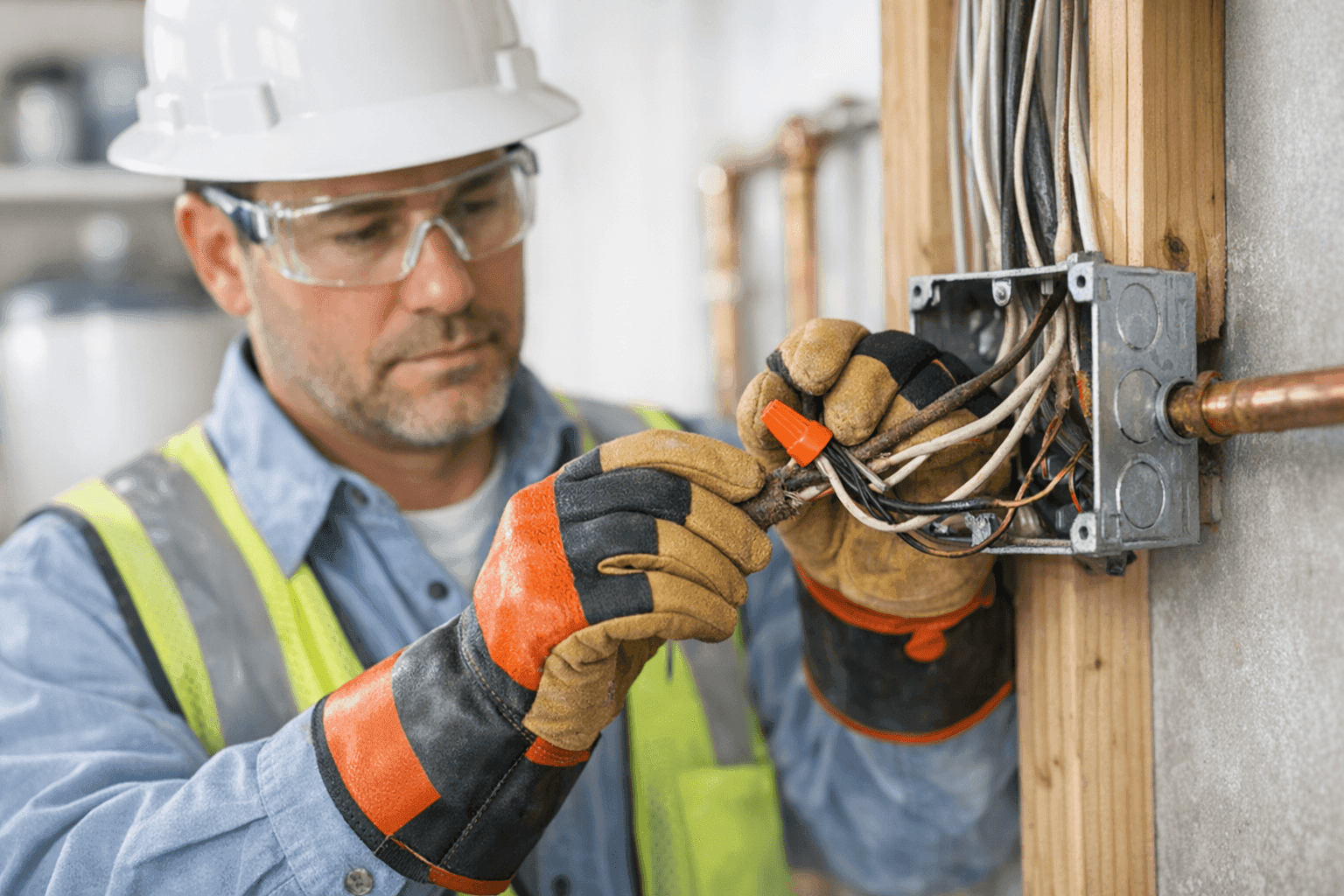
Is your home’s wiring old, unreliable, or just not keeping up with modern life? You’re not alone. Many houses—especially those built before the 1980s—have electrical systems that weren’t designed for today’s appliances, devices, and safety standards.
Upgrading your home’s wiring isn’t just a box to check. It’s about protecting your family, your property, and your peace of mind. At Angelic Electric, we’ve seen firsthand how the right upgrade can transform both safety and comfort.
When to Upgrade Home Wiring ⚡
Wondering if now’s the right time? Here are some telltale signs your wiring may need attention:
- Frequent breaker trips or blown fuses
- Lights that flicker or dim unexpectedly
- Warm or discolored outlets and switches
- Outlets sparking or buzzing
- A burning odor near electrical panels or outlets
- Two-prong (ungrounded) outlets throughout the house
If your home is over 40 years old and hasn’t been rewired, it’s worth a closer look—even if you haven’t noticed problems yet. Safety isn’t something you want to gamble on.
Planning Your Wiring Upgrade
Think of rewiring as a renovation for your home’s nervous system. Start with a plan:
- List your priorities. Do you want more outlets? Upgraded lighting? Smart home features?
- Assess current and future needs. Consider new appliances, EV chargers, or home office equipment.
- Schedule an electrical safety inspection. A licensed electrician can identify hidden dangers and help you prioritize upgrades.
- Budget for both materials and labor. Don’t forget about patching walls and repainting after the work.
Upgrades can be phased if needed—tackle high-risk areas first, then expand as time and budget allow.
Safety and Code Considerations
Electrical upgrades must meet the National Electrical Code (NEC) and any local rules. Cutting corners can lead to failed inspections—or worse, house fires.
- Permits are a must. Even skilled DIYers need permits to ensure safe, legal work.
- Grounding and GFCI protection. Modern code requires grounded outlets and ground-fault protection in kitchens, bathrooms, outdoors, and more.
- AFCI breakers. These help prevent electrical fires by sensing arc faults in wiring.
- Smoke and carbon monoxide detectors. Hardwired, interconnected detectors are now standard in most municipalities.
Check your local building department or consult resources like the National Fire Protection Association for details.
Minimizing Disruption
Worried about chaos during a rewire? Good planning helps keep the mess to a minimum:
- Elect to rewire one room at a time, instead of the whole house at once.
- Move furniture and valuables away from walls.
- Use dust barriers and floor coverings.
- Ask your electrician about patching and repairs—they may recommend trusted contractors to help put things back together.
A typical whole-house rewire can take a week or two, but careful prep can make it feel less overwhelming.
Professional vs. DIY Upgrades
Replacing a switch or outlet might be a DIY project for some. But full-scale rewiring? That’s a different beast.
Why Call in a Professional Electrician
- They know the code and how to meet it.
- They’re trained to work safely with live circuits.
- They’ll ensure permits and inspections are handled.
- Their work is insured—yours likely isn’t.
Improper DIY work can leave hidden hazards in your walls, risking shock or fire. When in doubt, hire a pro.
What to Expect When the Electrician Arrives
A seasoned electrician will:
- Inspect your current wiring, panels, and devices.
- Walk through your home with you, noting outlets, switches, lighting, and future needs.
- Offer a detailed plan and transparent estimate.
- Communicate clearly about scheduling, access, and what to expect during the process.
Transparency is key. Never be afraid to ask questions or request clarification.
Preventing Electrical Problems Before They Start
Rewiring is a golden opportunity to make your home safer for years to come:
- Add outlets to banish extension cords and power strips.
- Upgrade panels and breakers to support modern loads.
- Install surge protection to guard electronics.
- Consider smart home wiring for added convenience.
Think of it as future-proofing—your home will be ready for whatever tech comes next.
Costs, Time, and What Influences Them
Wiring upgrades aren’t one-size-fits-all. Cost depends on:
- Size and age of your home
- Accessibility of wiring (finished vs. unfinished walls)
- Number of circuits and outlets needed
- Local labor rates and permit fees
Plan for some downtime, too—power may be off in certain areas while work is done. Most jobs are completed in stages to keep disruption manageable.
When Electrical Upgrades Become Emergencies
Certain issues can’t wait:
- Burning smells from outlets or panels
- Visible sparks or arcing
- Repeated breaker trips (especially for major appliances)
- Smoke or scorch marks
Shut off power at the main breaker and call for emergency service immediately. Angelic Electric is on call 24/7 for just these moments.
Seasonal Considerations for Wiring Projects
Spring and summer are popular times for electrical work—more daylight, easier access, and less risk of weather delays. But don’t wait for the calendar. If you spot urgent issues, act now, regardless of season.
Common Mistakes to Avoid
- Skipping permits and inspections
- Overloading circuits with too many devices
- Ignoring outdated panels (like Federal Pacific or Zinsco)
- Failing to plan for future needs (like home offices or EV chargers)
- Leaving old, unsafe wiring in place “just in case”
Avoid shortcuts—safe, code-compliant work is always worth it.
Signs of Trouble: What to Watch For
Don’t ignore these warning signs:
- Crackling sounds from outlets or switches
- Rodent damage in the attic or basement near wiring
- Outlets or switches that don’t work
- Frequent bulb burnouts or flickering
Spot any of these? Contact Angelic Electric for a full assessment.
Timeline & Disruption: What’s Realistic?
Rewiring isn’t a quick fix. Depending on your home’s age and construction, it could take from a few days to two weeks. You might need to relocate for part of the job, especially if walls need to be opened up.
But with a clear plan, a trusted electrician, and good communication, the transition can be smoother than you think.
Materials and Equipment: What’s Involved
Your home’s new “nerves” might include:
- Modern copper wiring (safe, reliable, code-compliant)
- Grounded outlets and GFCI protection
- New panels, breakers, or subpanels
- Upgraded lighting and switches
- Smart home wiring for automation
Ask your electrician about options that meet both current code and your lifestyle.
FAQ: Your Wiring Upgrade Questions Answered
Q: Will my power be out the whole time?
A: Usually, only a room or two is affected at a time. Your electrician will keep you informed.
Q: Do I have to move out?
A: Not always, but for major jobs, it’s sometimes safest—especially if you have children or pets.
Q: How do I know my new wiring is safe?
A: All work should be inspected by your local authority before walls are closed up. Ask to see inspection reports for peace of mind.
Don’t Go It Alone—Get Help from Angelic Electric
Upgrading your home’s wiring is a smart investment in safety and comfort. If you’re searching for Re-wiring or Outlets & Switches near you, Angelic Electric is ready to help.
Electrical work isn’t just about wires—it’s about protecting what matters most. Let’s build a safer, more reliable home together.
Call Angelic Electric now — or reach us anytime at 844-440-1817 .