How to Spot and Prevent Electrical Overloads in Your Home
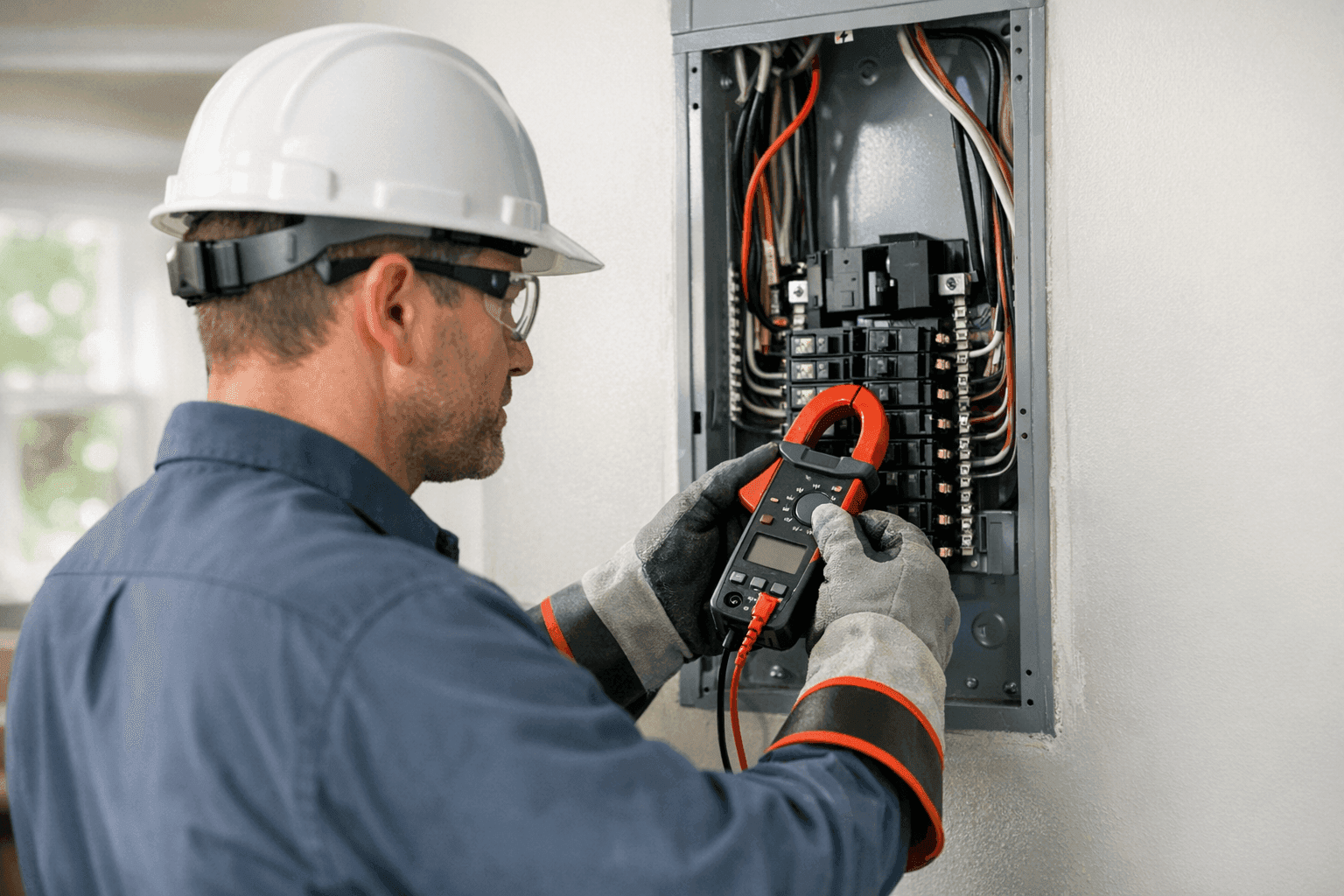
Is your house suddenly flickering with the lights of a disco? Does the hair dryer trip the breaker every time you run it? Overloaded electrical circuits are more than annoying—they’re a serious fire risk. At Angelic Electric, we’ve seen how a simple oversight can lead to big problems. Let’s make sure your home isn’t one of them.
Whether you live in a charming old bungalow or a brand-new build, understanding the basics of electrical safety can save you headaches—and maybe much more. Here’s how to spot and prevent electrical overloads in your home.
What Causes Overloaded Circuits? ⚡
Imagine your home's wiring like a network of city streets. When too many cars (appliances) try to travel down a narrow road (circuit) at once, traffic jams—and accidents—happen. That’s exactly what occurs inside your walls when a circuit is asked to carry more electricity than it’s meant to handle.
Common causes of overloads include:
- Plugging too many devices into a single outlet (think power strips loaded with chargers)
- Running several high-wattage appliances on the same circuit (microwaves, hair dryers, space heaters)
- Outdated electrical panels that weren’t designed for today’s energy demands
- DIY wiring mistakes or makeshift extension cords for permanent needs
According to the National Fire Protection Association (NFPA), electrical failures are a leading cause of home fires. Overloads are often the first spark.
Warning Signs of Overloads
Your house will usually warn you when it’s under too much electrical strain. Watch for:
- Flickering or dimming lights when appliances turn on
- Frequently tripped circuit breakers or blown fuses
- Warm or discolored outlets and switches
- A buzzing sound from outlets or the breaker panel
- Burning smells or scorched outlet covers
If you notice any of these, don’t ignore them. These aren’t just quirks—they’re alarms.
Quick Safety Checklist for Homeowners
Before panic sets in, here’s a quick list to check:
- Unplug seldom-used devices
- Don’t run major appliances at the same time on the same circuit
- Feel outlets and switches—if they’re hot, stop using them
- Check for overloaded power strips or extension cords
- Know where your main electrical panel is, and make sure it’s accessible
A 15-minute walk-through can reveal a lot.
Prevention Tips for Homeowners
Think of prevention as regular exercise for your electrical system. A little effort goes a long way:
- Spread high-wattage appliances across several circuits
- Use only UL-listed power strips (never daisy-chain them)
- Schedule regular Safety Checks with a licensed electrician
- Label your breaker panel for quick reference
- Avoid “permanent” extension cord solutions
If your home is older or you’ve recently added a new appliance, be extra vigilant.
Upgrading Circuits and Panels
Sometimes your home just outgrows its electrical shoes. If your panel is more than 20 years old, or if you find yourself resetting breakers weekly, it may be time for an upgrade.
Upgrading your Panels & Breakers gives your system room to breathe—and room to grow. Modern panels handle higher loads safely, support new technology, and help keep your home insurance happy.
Professional Load Assessment
DIY is great for painting walls, not for calculating electrical loads. A qualified electrician can perform a load assessment and advise if your system meets current needs. This is especially important after big changes like a kitchen remodel, finishing a basement, or installing an EV charger.
At Angelic Electric, we use industry standards like the National Electrical Code (NEC) to guide every assessment and installation. That means safety isn’t just a buzzword—it’s the baseline.
When Should You Call an Electrician?
If you’ve tried the basics and things are still tripping, it’s time to call a professional. Don’t wait for a blackout—or worse, a fire. If you smell burning, see smoke, or experience repeated breaker trips for no clear reason, shut off the affected circuit and call for emergency service.
For routine upgrades or peace-of-mind inspections, a residential electrician from Angelic Electric can help you sort things out before problems arise.
DIY vs. Professional: Where’s the Line?
It’s tempting to grab a screwdriver and “fix” a tripping breaker. But electrical systems are like the nervous system of your house—one wrong move can cause real harm.
DIY is fine for:
- Unplugging devices
- Resetting a tripped breaker (once)
- Checking if appliances are faulty
Call a pro for:
- Repeat breaker trips
- Hot or scorched outlets
- Any sign of burning or buzzing
- Upgrading panels, circuits, or wiring
Don’t gamble with safety.
What Happens During a Professional Check?
When an electrician arrives, here’s what they’ll usually do:
- Inspect your panel and breakers for wear or damage
- Check outlet and switch conditions throughout your home
- Test circuits for proper load capacity
- Advise on panel upgrades or rewiring needs
- Provide a clear action plan
It’s more thorough than a quick look—and that thoroughness can save lives.
Common Mistakes Homeowners Make
We see a few missteps over and over:
- Using multiple power strips from one outlet (big no-no!)
- Ignoring small warning signs like warm outlets
- Over-relying on extension cords
- Attempting complex wiring repairs without training
Small shortcuts can lead to big issues. It’s not just about convenience—it’s about your family’s safety.
The Hidden Cost of Ignoring Overloads
It’s tempting to reset a breaker and move on. But repeated overloads can wear out your wiring and breakers. Over time, this increases the risk of electrical fires and may even void your insurance coverage if issues are unaddressed.
The cost of prevention is always less than the cost of repairing fire damage—or worse.
Timeline & Disruption: What to Expect
Worried that an electrical upgrade will turn your home into a construction zone? Most panel upgrades or rewiring projects take less than a day for a typical house. Your power will be off for part of the process, but a good electrician will keep disruption to a minimum and let you know exactly what to expect.
Seasonal Considerations: Overloads Year-Round
Electrical overloads aren’t just a winter problem. In the summer, air conditioners, pool pumps, and extra lighting can push circuits to their limits. Holiday lights, portable heaters, or new kitchen gadgets can do the same in colder months.
Plan ahead if you’re adding new appliances or hosting big gatherings.
Frequently Asked Questions
Can I use a power strip for all my electronics?
A power strip can help, but don’t overload it. Spread devices across different outlets and circuits.
Is it safe to use extension cords long-term?
No. Extension cords are for temporary use only. Permanent needs call for new outlets or wiring.
How do I know if my panel is too old?
If it’s more than 20 years old, or you see rust, buzzing, or frequent tripping, call for a check-up.
Can I upgrade my panel myself?
Panel upgrades require permits and professional installation—leave this to a licensed electrician.
Your Next Steps: Protecting Your Home
If you’re seeing warning signs or just want peace of mind, Angelic Electric is here to help. We handle everything from Wiring & Circuits to full panel replacements. Our team provides trusted, code-compliant service for families across the region, including those looking for reliable electrician services in Burlington.
Don’t wait for trouble to spark.
Call Angelic Electric now — or reach us anytime at 844-440-1817 .