How to Troubleshoot Flickering Lights in Your Home
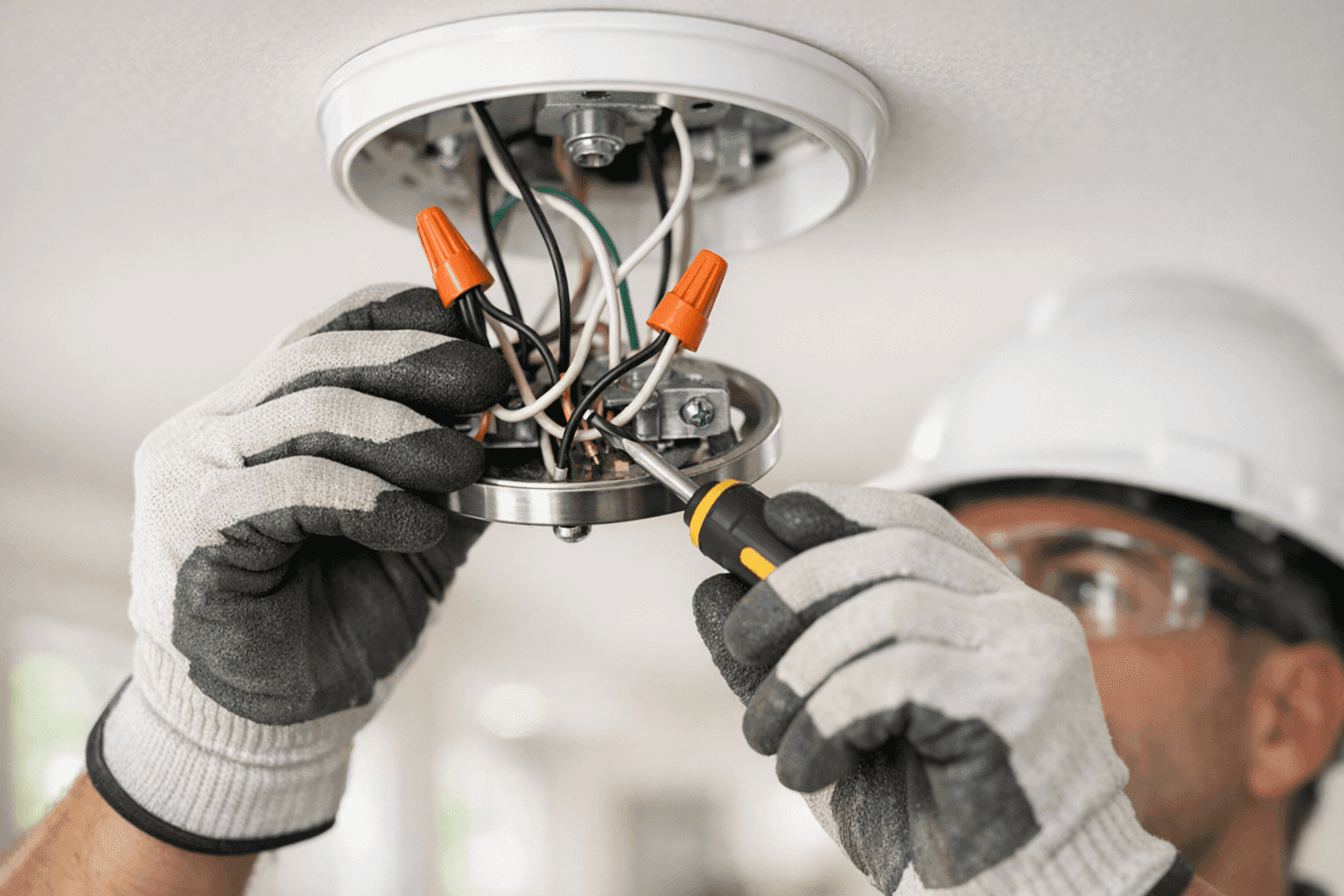
Are your lights flickering like a strobe at the worst possible moment? It’s annoying—and sometimes it’s a warning sign you shouldn’t ignore. At Angelic Electric, we know flickering lights can make your home feel less safe and comfortable.
Lights that flash, dim, or pulse can be unsettling. But more than that—they can point to hidden electrical issues that need attention. Let’s walk through the steps to figure out what’s going on, when you can handle it yourself, and when it’s time to call in an electrician.
Common Causes of Flickering Lights
Flickering lights aren’t just a quirk—they’re your home’s way of speaking up. Here’s what might be happening:
- Loose Bulbs: Sometimes, it’s as simple as a bulb not screwed in all the way.
- Faulty Switches or Dimmers: A worn-out switch can interrupt power, causing lights to blink.
- Bulb Compatibility: LED bulbs in older dimmer switches often flicker.
- Wiring Problems: Loose or old wiring inside walls can cause brief power drops.
- Overloaded Circuits: When too many devices run on one circuit, lights may flicker.
- Appliance Interference: Big appliances kicking on can sap power, making lights blink.
- Voltage Fluctuations: If your lights flicker across multiple rooms, the problem could be with your home’s voltage.
- Panel or Breaker Issues: Aging or damaged electrical panels can cause inconsistent power.
Sometimes, flickering is just a minor annoyance. But it can also be a blinking neon sign of a deeper issue.
Quick Safety Checklist Before You Begin ⚡
Before you start poking around, safety comes first:
- Turn off the power at the breaker if you plan to check any wiring or switches.
- Use insulated tools.
- Never touch exposed wires or open panels unless you’re certain the power is off.
- If you smell burning, see smoke, or hear buzzing from switches—stop and call an electrician immediately.
Safety isn’t just a formality. According to the National Electrical Code (NEC), faulty wiring is one of the leading causes of house fires.
DIY Troubleshooting Steps
Start with the basics before jumping to conclusions:
- Tighten or Replace the Bulb
- Gently twist the bulb to make sure it’s snug. Still flickering? Swap it for a new one.
- Check the Switch
- Wiggle the switch gently. If lights flicker or cut out, you may have a faulty switch.
- Test Different Bulbs
- Try an incandescent, CFL, or LED. Some bulbs don’t play nice with certain dimmers or fixtures.
- Unplug Appliances
- If flickering happens when the fridge or AC kicks on, try unplugging those devices. If the problem goes away, you may be overloading the circuit.
- Check Other Fixtures
- Are just one or two lights flickering, or is it the whole house? If it’s widespread, the issue could be bigger than a loose bulb.
When Flickering Signals Bigger Problems
Sometimes, flickering lights are more than a quick fix. Here’s when to get help:
- Flickering happens in multiple rooms.
- Lights dim when large appliances turn on.
- You notice buzzing, scorching, or burning smells near outlets or switches.
- Breakers trip or fuses blow frequently.
These signs can mean trouble with your wiring and circuits, panel, or even incoming power from the utility company.
How Electricians Diagnose Flickering
When you call an electrician, the process is a bit like detective work. Here’s what to expect:
- Visual Inspection: We look for loose connections, burnt switches, or signs of wear.
- Testing Voltage: Using meters, we check for voltage drops or irregularities.
- Circuit Isolation: By turning breakers on and off, we pinpoint which circuit is causing trouble.
- Load Assessment: We see if you’re running too many high-power devices on one circuit.
- Panel & Breaker Check: If your panel is outdated or damaged, it could be the root cause.
This methodical process helps us rule out simple fixes and zero in on real risks. According to the Electrical Safety Foundation International (ESFI), catching wiring and panel issues early can prevent hazards.
Preventing Future Issues 🌟
A little maintenance goes a long way:
- Schedule regular electrical safety inspections—especially in older homes.
- Upgrade outdated panels and wiring if your home is more than 30 years old.
- Install surge protection to prevent flickering from power surges.
- Use compatible bulbs and dimmers—check the manufacturer’s instructions.
- Distribute appliance use so one circuit isn’t overloaded.
Feeling unsure? It’s always safer to have an electrician check things out.
DIY vs. Call a Pro: Where’s the Line?
Changing a bulb or tightening a switch plate is a homeowner’s job. But if troubleshooting steps don’t solve the problem, or you find signs of bigger issues, it’s time to call in an electrician. Electrical work behind walls, in breaker panels, or involving wiring should never be a DIY job—mistakes can be dangerous.
Signs of Trouble to Watch For
Keep an eye (and ear) out for:
- Frequent flickering in multiple fixtures.
- Outlets or switches that feel warm.
- Buzzing or sizzling sounds from outlets.
- Lights that flicker after storms or power surges.
- Breakers that keep tripping.
These are all red flags. Don’t ignore them.
What to Expect: Timeline & Disruption
Most flickering light problems can be diagnosed in under an hour. Minor fixes—like replacing a switch or tightening a connection—are fast. Bigger issues, such as rewiring or panel upgrades, can take half a day or longer. Expect some power to be shut off during repairs.
Common Mistakes Homeowners Make
- Ignoring the problem: Flickering often points to a larger issue.
- Using bulbs that don’t match dimmers: Not all LEDs are dimmer-friendly.
- DIY panel work: Panels carry dangerous voltage—always call a pro.
- Overloading outlets: Too many devices in one spot can cause trouble.
- Forgetting yearly checks: Like dental cleanings, inspections catch problems early.
Costs & What Affects Them
- Simple fixes (bulb, switch): Usually inexpensive.
- Wiring or panel problems: Costs depend on parts and labor—get an estimate up front.
- Emergency service: After-hours or urgent repairs may cost more.
Always ask your electrician for a clear scope of work before starting.
Emergency? When to Act Fast 🚨
If you notice:
- Smoke or burning smells from outlets or lights
- Sparking at switches
- Lights flickering and then going out completely
Turn off power at the main breaker and call for emergency service right away. Your safety comes first.
FAQs: Flickering Lights
Can flickering damage my appliances?
Yes. If voltage fluctuates, it can shorten the life of electronics and appliances.
Are some homes more at risk?
Older homes, or those with aluminum wiring, are more prone to these issues.
Will surge protectors help?
They can help with power surges, but won’t fix wiring or panel problems.
Is it safe to ignore occasional flickering?
Not always. If it’s frequent or widespread, it needs attention.
Seasonal and Weather Factors
Storms, humidity, and extreme cold can all impact your wiring and connections. After severe weather, check your lights and outlets for any new flickering or odd behavior.
Keep Your Home Safe and Bright
Flickering lights are more than a nuisance—they can be a sign your home needs attention. Start with the basics, but don’t hesitate to call a licensed electrician for peace of mind. Angelic Electric is always here to help with Lighting, Wiring & Circuits, and reliable fault finding.
Call Angelic Electric now — or reach us anytime at 844-440-1817 .