How to Troubleshoot and Repair Home Electrical Circuits
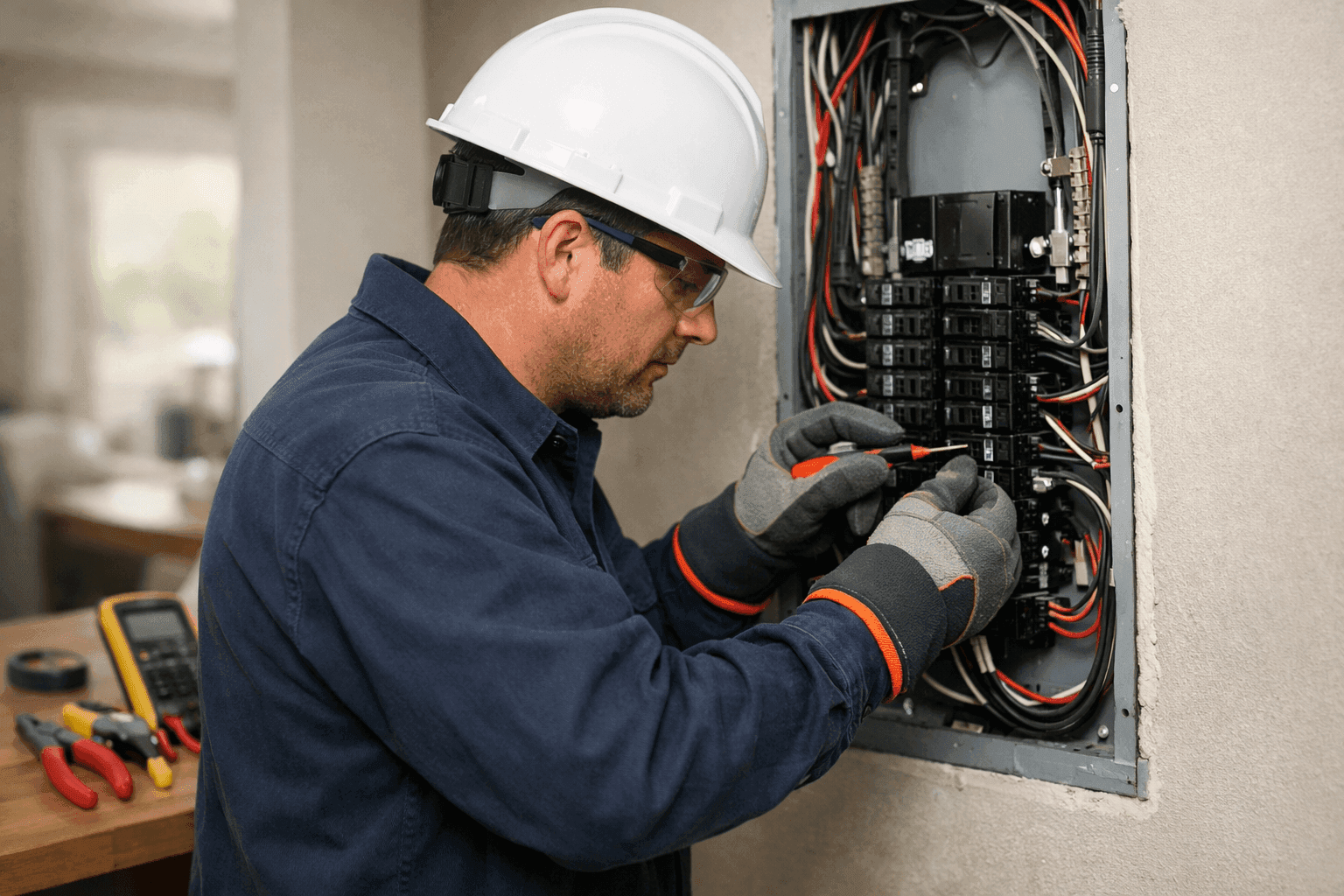
Do the lights in your home flicker like a candle in the wind? Is there a mysterious outlet that’s always dead, or a breaker that trips more often than you stub your toe? Electrical circuit problems can be frustrating—and sometimes dangerous.
At Angelic Electric, we know how unsettling electrical issues can feel. Whether you’re a new homeowner or you’ve weathered decades of power surges, this guide will help you understand, troubleshoot, and—when it’s safe—repair your home electrical circuits. Safety is always our first priority. Let’s keep your home powered and your family protected.
Common Circuit Problems ⚡
Not all electrical problems are as obvious as a blackout. Here are the issues we see most often in homes:
- Tripped circuit breakers: The power cuts out in part of your home, but resets at the panel.
- Dead outlets or switches: One or more outlets/switches stop working, even after resetting the breaker.
- Flickering or dimming lights: Especially when appliances turn on.
- Burning smell or buzzing sounds: Electrical odors or odd noises from outlets, switches, or panels.
- Warm outlets or switches: Excess heat can signal a loose wire or overload.
- Repeated blown fuses: If you still have a fuse box, frequent fuse blows mean trouble.
These issues are like warning lights on your car’s dashboard. Ignoring them can lead to bigger hazards—like fire or electric shock.
Quick Safety Checklist
Electricity is invisible, silent, and unforgiving. Before you touch anything, run through this checklist:
- Turn off power: Always switch off the breaker to the affected circuit at your electrical panel.
- Test for power: Use a non-contact voltage tester. Never trust a light switch alone.
- Stay dry: Wet hands or floors? Stop. Water makes electric shock more likely.
- Use insulated tools: Only use screwdrivers and pliers with rubber handles.
- Never work alone: If something goes wrong, you’ll want help nearby.
- Don’t touch wires you can’t identify: If you’re unsure, stop and call for help.
If you have any doubts about safety, bring in a licensed electrician.
DIY Troubleshooting Tips
Ready to play detective? Start simple, and work your way up. Here’s how:
- Check the breaker: Find your electrical panel. Look for a breaker that’s flipped to OFF or in the middle. Flip it fully off, then back on.
- Test the outlet: Plug in a lamp or use a plug-in tester (found at hardware stores) to see if the outlet is live.
- Inspect for GFCI resets: Kitchens, bathrooms, garages, and outdoor outlets often have GFCI outlets with reset buttons. Press RESET and test again.
- Look for signs of overload: Are too many high-power devices plugged in? Unplug some and retry.
- Switch swap: Try swapping a working lamp or appliance into the dead outlet and vice versa. This helps rule out a faulty device.
If the problem persists, you may have a wiring or connection issue deeper in the walls.
Repair Steps and Safety Precautions
If you feel comfortable and your troubleshooting points to a simple fix, follow these steps:
- Shut off power at the panel.
- Remove the outlet or switch cover plate.
- Test wires for voltage again. Never skip this.
- Check for loose wires: Tug gently on wires at the screws. Loose? Re-tighten (clockwise) or re-strip/reconnect as needed.
- Look for signs of damage: Burn marks, melted plastic, or frayed wires mean it’s time for professional help.
- Replace worn outlets or switches: Use only UL-listed parts. Match the amperage rating.
- Reassemble and test: With the power back on, test your repair.
If your home has aluminum wiring, double-tapped breakers, or you’re unsure of the wiring’s age, stop here. These require professional attention.
When to Call a Professional
Some problems are like wild animals: best handled by professionals. Call Angelic Electric if:
- You smell burning or see scorch marks
- Breakers trip repeatedly or won’t reset
- Multiple outlets or rooms lose power at once
- You find old, cloth-covered, or aluminum wiring
- You’re not sure what’s wrong—or just feel uneasy
We’re always here for you, including 24 hour service and emergency repairs. For more support, see our Repairs and Fault Finding service pages.
Preventing Future Circuit Issues
An ounce of prevention beats a pound of repairs. Here’s how to keep your home’s wiring humming along:
- Don’t overload outlets—spread out high-draw appliances.
- Replace worn cords and plugs.
- Schedule regular electrical safety inspections (per the National Electrical Code).
- Upgrade old panels, outlets, and switches when remodeling.
- Install surge protection for sensitive electronics.
- Label your breaker panel clearly.
Keep an electrician’s number handy. Problems sometimes hide until they’re big.
Signs of Trouble: Don’t Ignore These
Sometimes, your home whispers a warning before shouting for help. Watch for:
- Sparking when plugging in devices
- Lights that fade or pulse when the AC or microwave runs
- Outlets that feel warm or look discolored
- Buzzing, popping, or crackling from switches
Any of these? Shut off power and call for help. Fast action can prevent costly damage or even fires.
Understanding Circuit Breakers and Fuses
Circuit breakers and fuses are like your home’s safety net. They trip or blow to prevent wires from overheating and causing fires. If they’re tripping often, don’t just reset—find the cause:
- Too many devices? Move some to a different circuit.
- A faulty appliance? Test each one separately.
- Damaged wiring? Call an electrician for diagnosis.
Remember, fuses and breakers are not “fixes”—they’re warnings.
Seasonal Circuit Problems
Stormy weather or high summer heat can stress electrical systems. After storms, check outdoor outlets and GFCI resets. In winter, space heaters can overload circuits quickly. Always use heavy-duty extension cords rated for the load.
Materials & Equipment Every Homeowner Should Have
You don’t need a van full of tools, but a basic kit helps:
- Non-contact voltage tester
- Screwdriver set (with insulated handles)
- Flashlight or headlamp
- Replacement outlets, switches, and faceplates
- Electrical tape
Save major repairs and new installations for a licensed electrician. For more complex jobs like Wiring & Circuits, proper expertise is critical.
Electrical Codes and Safety Standards
All repairs must meet your local code requirements. The National Electrical Code (NEC) is the gold standard for safety. Always check with your local building authority before tackling big projects. Improper work can cause fires, insurance issues, or failed inspections.
The Cost of Delaying Repairs
Putting off repairs can turn a small nuisance into a major expense—or a safety risk. A loose wire is easy to fix when caught early. Left alone, it can spark a fire behind your wall. Don’t wait for warning signs to become emergencies.
What Pros Do When They Arrive
When you call Angelic Electric, here’s what to expect:
- We’ll listen to your concerns and ask about recent problems.
- A licensed electrician will perform a thorough inspection.
- We’ll test circuits, trace the source, and recommend safe repairs.
- You’ll get a clear explanation—no jargon, no surprises.
We’ll treat your home with respect and clean up before we leave.
Common Myths About Home Electrical Work
- Myth: “If the breaker didn’t trip, it’s safe.”
Fact: Breakers aren’t foolproof. Damaged wiring can smolder for months. - Myth: “All outlets are the same.”
Fact: Kitchens, baths, and outdoors need GFCI protection. - Myth: “DIY repairs save money.”
Fact: Incorrect wiring can void insurance and cause expensive damage.
Stay Safe, Stay Powered
Electrical circuits are the lifelines of your home. Treat them with respect, and they’ll serve you well for years. If you ever feel uncertain or overwhelmed, don’t risk it—help is just a call away.
Call Angelic Electric now — or reach us anytime at 844-440-1817 .