How to Troubleshoot Tripped Breakers and Electrical Panel Issues
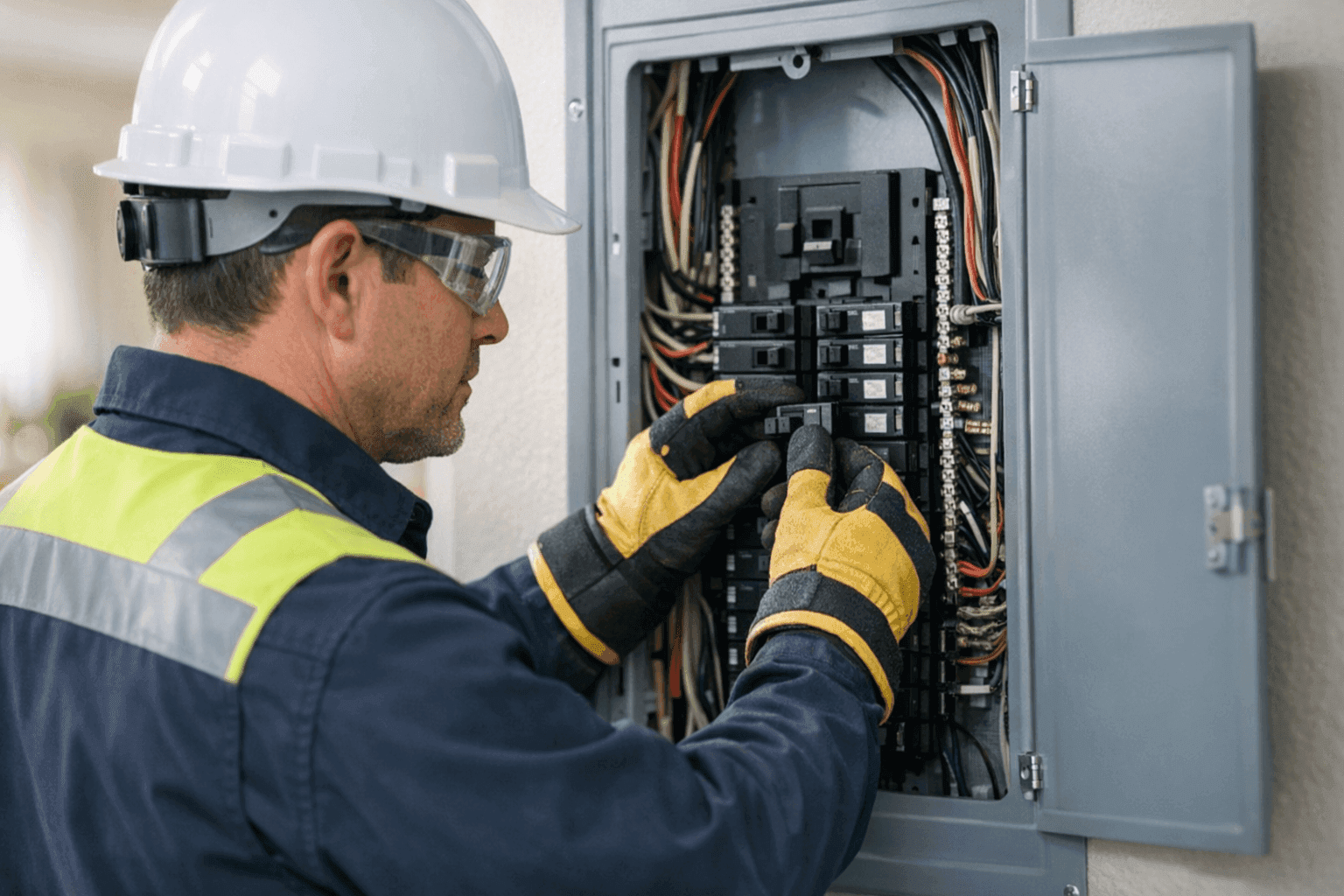
Electricity is the silent force behind every comfort in your home. When a breaker trips, everything grinds to a halt—lights out, appliances dead, and confusion sets in fast. You’re not alone; this is one of the most common calls we get at Angelic Electric.
A tripped breaker isn’t just an inconvenience. It’s your home’s way of waving a red flag, urging you to pay attention. Knowing why it happens, what to do, and when it’s time for a professional can keep your home safe and your day running smoothly.
Why Breakers Trip ⚡
Think of your electrical panel as a vigilant traffic cop. Breakers are designed to "trip"—cutting off electricity—when the flow gets dangerously high. This protects your home from overheating wires and potential fires (per National Fire Protection Association guidelines).
Common triggers for tripped breakers:
- Overloaded circuits: Too many devices plugged in at once. Think: hair dryer, toaster, and microwave all on the same line.
- Short circuits: When a hot wire touches a neutral or ground, causing a sudden surge.
- Ground faults: Similar to short circuits but often involving moisture—like in bathrooms or kitchens.
- Aging or faulty equipment: Old appliances, frayed cords, or DIY wiring gone wrong.
If your breaker trips, pause. It’s doing its job—protecting you.
How to Safely Reset a Breaker
Resetting a breaker is usually straightforward, but safety comes first.
Before you begin, run through this quick checklist:
- Is the area dry? Never touch an electrical panel with wet hands.
- Are you wearing shoes? Rubber soles add an extra layer of safety.
- Can you see clearly? Use a flashlight if you need to.
To reset:
- Locate the panel: Usually found in basements, garages, or utility rooms.
- Find the tripped breaker: It’ll be midway between ON and OFF or show a red/orange marker.
- Switch it fully OFF: A gentle, deliberate press.
- Flip it ON: Listen for a solid click.
If the breaker immediately trips again, stop. That’s your sign there’s a deeper issue.
Diagnosing Repeated Tripping
Breaker tripped once? Maybe just bad luck. Trips again and again? Your panel is trying to tell you something.
Panel Issues and Warning Signs
Your electrical panel is like the heart of your home’s power system. If it’s struggling, you’ll notice hints:
- Breakers that feel hot to the touch
- A burning smell or visible scorch marks
- Buzzing or crackling sounds from the panel
- Breakers that won’t reset or keep tripping
- Flickering lights even after resets
These are not normal. They’re warning bells, and it’s time to take them seriously.
When to Call a Licensed Electrician
If you’ve tried resetting, moved appliances, and nothing changes—or if you spot any of the warning signs above—it’s time for a professional. Some issues hide deep inside walls or panel boxes. An experienced electrician uses specialized tools and code knowledge to find the root cause safely.
If you’re in need of Panels & Breakers help or have questions about electrical safety, give us a call.
What to Do Before the Pros Arrive
While you wait for the electrician, keep the affected breaker OFF. Unplug any devices on that circuit. Don’t attempt further resets—repeated trips can wear out your panel.
Do:
- Keep kids and pets away from the area.
- Make a note of what was running when the breaker tripped.
Don’t:
- Open the panel cover beyond the main door.
- Touch wires, especially if you see exposed copper or smell burning.
Is It Just One Room? Or the Whole House?
Sometimes a single breaker controls one room; other times, a whole section of your home. If multiple areas lose power—or your main breaker trips—you could have a larger issue like a faulty main panel, or even a utility company problem. Always exercise caution.
Common Mistakes Homeowners Make
It’s tempting to keep flipping that breaker, hoping it’ll finally stay on. But:
- Don’t force a breaker: If it won’t reset, there’s a reason.
- Never use “bigger” breakers: Swapping for a higher-amp breaker is dangerous and a major code violation (see National Electrical Code).
- Don’t ignore smells or sparks: These are signs of real danger.
Prevention & Maintenance Tips
The best way to avoid recurring breaker issues? Preventative care.
- Spread out your appliance use—don’t run all high-wattage devices at once.
- Have outlets & switches near you checked yearly for wear and tear.
- Schedule regular electrical safety inspections with a qualified electrician.
- Install whole-home surge protection to defend against lightning and power surges.
- Upgrade old panels—if your home is over 30 years old, your panel may not meet modern needs.
For more info on upgrades and safety checks, see our panels and breakers services.
Costs & Time Factors
Simple resets cost nothing but a few minutes. Repeated trips or panel repairs can vary. Factors include:
- Scope of the issue: One breaker vs. multiple circuits.
- Parts needed: New breakers, wiring, or a full panel upgrade.
- Inspection time: Most troubleshooting calls take between 30–90 minutes, but complex issues can take longer.
When It’s an Emergency
Some situations can’t wait:
- Burning smell from the panel
- Visible smoke or arcing
- Main breaker won’t reset, and you’ve lost all power
Evacuate if you see smoke or flames, and call emergency services first. Then call an electrician for urgent repairs.
FAQ: Your Breaker Questions Answered
Q: My breaker trips when I run the microwave and toaster. Why?
A: That’s an overloaded circuit. Try moving one appliance to a different outlet, or consult an electrician about adding a dedicated circuit.
Q: Can I replace a breaker myself?
A: It’s not recommended unless you’re trained. Mistakes can lead to electrical fires or void insurance.
Q: How old is too old for an electrical panel?
A: Panels over 25–30 years can be outdated or unsafe. Schedule a safety check to be sure.
Seasonal Considerations
Storms, holiday lights, space heaters—each season brings its own electrical demands. Surge protection and routine panel checks go a long way toward keeping your home safe year-round.
DIY vs. Call a Pro
Resetting a breaker is safe for most homeowners. Anything more? Leave it to a licensed electrician. Panels house high voltage, and the risks aren’t worth it.
What Pros Do On Arrival
A qualified electrician will:
- Listen to your story—what happened and when.
- Inspect the panel and affected circuits.
- Use specialized tools (like voltage testers and thermal cameras) to locate faults.
- Recommend repairs or upgrades based on code and safety.
For complex fault finding or stubborn breaker issues, professional help is the surest route to peace of mind.
Timeline & Disruption
Most repairs or inspections can be completed in a single visit. Larger jobs, like rewiring or panel replacement, may take a day or two. We always work to minimize disruption and keep your home safe.
Materials & Equipment
Panels, breakers, wiring, and proper tools. Never substitute or “make do” with the wrong parts—this is how hazards start. Always insist on quality, code-approved equipment for repairs and upgrades.
Stay Safe—And Know When to Ask for Help
Breakers trip for a reason. Sometimes it’s a quick fix; sometimes it’s a symptom of a much bigger problem. If you’re ever in doubt, don’t guess. Your safety—and your home—are worth a professional eye.
Call Angelic Electric now — or reach us anytime at 844-440-1817 .