The Ultimate Guide to Home Electrical Wiring and Circuits
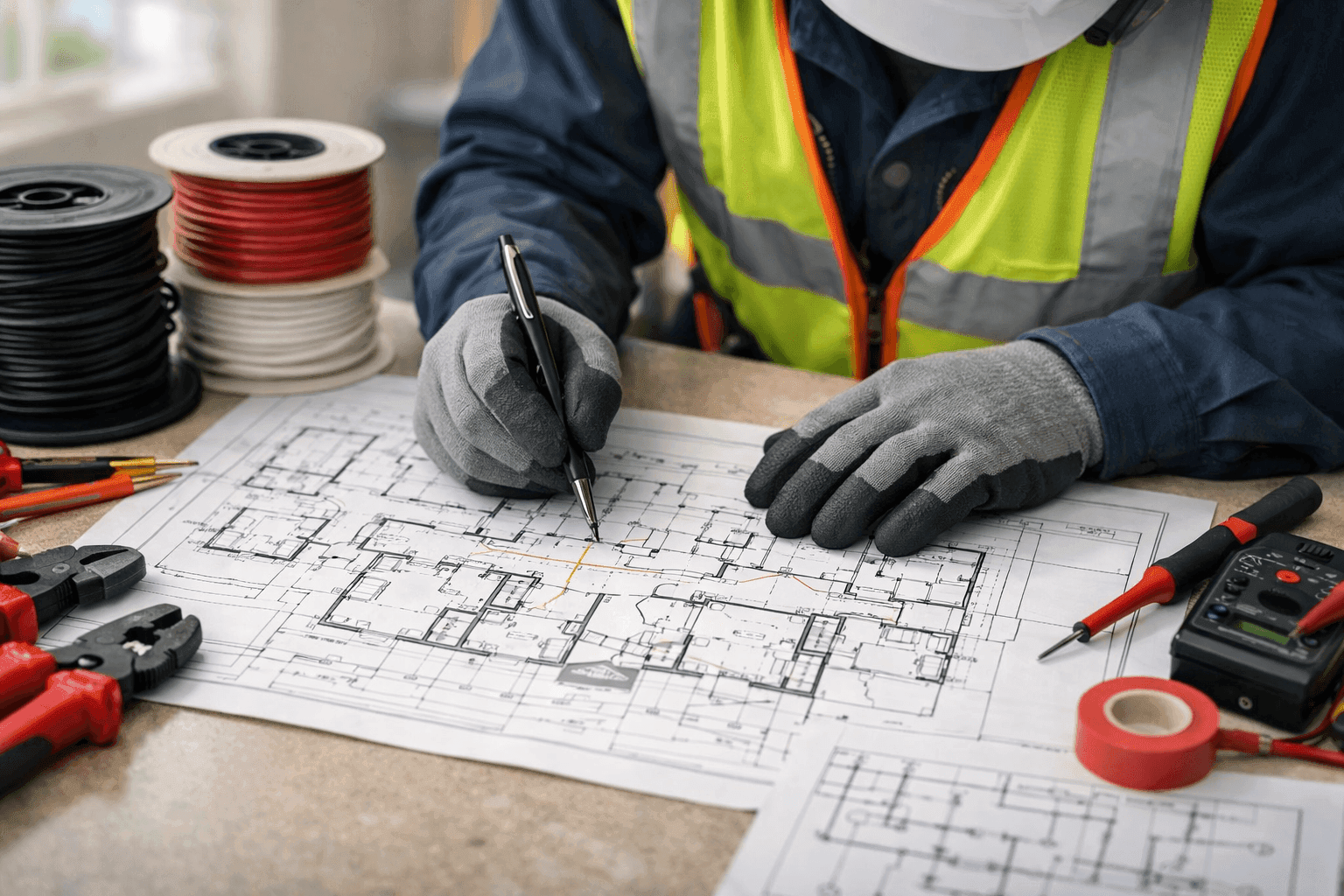
When you flip a light switch or plug in your phone, it just works. But inside your walls, a maze of wires and circuits keeps everything powered and safe. At Angelic Electric, we know how important it is to keep that maze in top shape, especially for families who count on their homes for comfort and security.
Wiring is more than just cables—it's the nervous system of your home. Poor wiring can mean flickering lights, tripped breakers, or worse. If you’re planning upgrades, renovations, or just want peace of mind, understanding the basics of home wiring can help you make smart, safe decisions.
Why Home Wiring Matters
Your electrical system is like the bloodstream of your house. Every outlet, switch, and light is a lifeline. When something goes wrong—whether it’s an old wire or a tripped breaker—the whole house feels it.
Proper wiring isn’t just about convenience. It’s about safety. Faulty circuits can cause everything from annoying outages to dangerous fires. According to the National Fire Protection Association (NFPA), electrical failures are a leading cause of residential fires in the U.S. That’s why regular checkups and professional installation matter.
Understanding the Basics: Wire Types and Color Codes
Wires may all look similar, but each type and color has a specific job. Here’s a quick guide:
- Black/Red Wires: These are "hot" wires, carrying electricity from your panel to outlets, lights, and appliances.
- White Wires: The neutral path—electricity returns through these wires.
- Green/Bare Copper Wires: The ground. They help prevent shocks if there’s a fault.
Most homes use copper wiring, though some older systems use aluminum (which can be risky). If you see old, cloth-wrapped wires, it’s time to call an electrician.
Wire thickness—called “gauge”—also matters. Higher-power appliances need thicker wires to handle the load safely. Using the wrong gauge is like trying to force a river through a garden hose.
For more on national code requirements, check the National Electrical Code (NEC) from the National Fire Protection Association.
Common Home Circuit Designs and Layouts
Most residential wiring follows a few basic patterns:
- Branch Circuits: Like branches on a tree, these circuits spread power to rooms or areas—kitchen, bedrooms, garage.
- Dedicated Circuits: Big appliances (like ovens or dryers) get their own direct lines, so they don’t overload other parts of the system.
- Lighting Circuits: Often run separately from outlets, especially in larger homes.
- Ground Fault Circuits: Kitchens, bathrooms, and outdoor areas need special GFCI outlets to prevent shocks near water.
Your breaker panel is the command center. Each breaker controls a circuit. If you’re planning a renovation, mapping out these circuits ahead of time can save headaches down the road.
Spotting Old or Unsafe Wiring
How do you know if your home’s wiring needs attention? Here are telltale signs:
- Flickering or dimming lights
- Frequent breaker trips or blown fuses
- Outlets that are warm to the touch
- Burning smells or buzzing sounds from switches/outlets
- Two-prong outlets (missing the ground)
Old homes may have knob-and-tube wiring, aluminum wires, or brittle insulation. These are red flags for safety. If you spot any of these, it’s time for an evaluation.
Upgrading and Rewiring: What Are Your Options?
Wiring upgrades can be simple or complex, depending on your needs:
- Partial Rewiring: Updating specific rooms or circuits, often during renovations.
- Full Rewiring: Replacing all old wires—especially important for homes with outdated systems.
- Adding Circuits: Needed when you add new appliances, home offices, or EV chargers.
Upgrading isn’t just about safety. Modern wiring can handle more devices, smart home tech, and bigger appliances. It’s an investment in convenience and resale value.
Our team at Angelic Electric can help you plan the right upgrades, whether you need Wiring & Circuits or full Rewiring.
Quick Safety Checklist 🔌
Before you touch anything electrical, keep these basics in mind:
- Always turn off power at the breaker—never trust a switch alone.
- Use a voltage tester to double-check wires are dead.
- Never work on wet surfaces or with damp hands.
- If you’re not sure, don’t risk it—call a licensed electrician.
Remember, electrical work without a permit or inspection can violate building codes and void insurance.
DIY vs. Calling an Electrician
Changing a light bulb? Go for it. Replacing an outlet or adding circuits? That’s a different story.
DIY electrical work can be tempting. But mistakes are costly—and dangerous. Electrical codes exist for a reason. A loose wire or wrong connection can cause fires, shocks, or expensive damage.
For major changes—like rewiring, new circuits, or panel upgrades—always hire a trained electrician. Angelic Electric handles everything from Residential Services to 24-hour emergency calls.
What Electricians Do On Arrival
When you call in a professional, here’s what you can expect:
- Careful inspection of your wiring, outlets, and breaker panel
- Identifying code violations or safety hazards
- Testing circuits for load and continuity
- Offering clear options, from repairs to full upgrades
A good electrician will explain what’s going on, show you the problem, and walk you through solutions. No jargon—just clear advice.
Prevention and Maintenance: Keeping Your Wiring Safe
Routine maintenance keeps problems from sneaking up on you:
- Schedule regular electrical safety inspections, especially in older homes.
- Upgrade outlets in kitchens, baths, and outdoor areas to GFCI.
- Replace worn, cracked, or discolored outlets and switches.
- Check for loose plugs—these can arc and start fires.
- Don’t overload extension cords or power strips.
Set a calendar reminder for a yearly checkup. It’s like a doctor’s visit for your house.
Planning New Circuits During Renovations
Renovating? This is the perfect time to think about wiring.
- Map out where you’ll need power—think about furniture, TVs, computers, and chargers.
- Add extra outlets—no one ever regrets it.
- Plan for future needs: EV chargers, home automation, or extra lighting.
- Group high-power appliances on their own dedicated circuits.
Talk to your electrician early, so you’re not opening up walls twice. Careful planning now means comfort and convenience for years.
Seasonal Considerations for Electrical Systems
Seasons change, and so do your electrical needs.
- Winter: Heaters and holiday lights can overload circuits—watch for tripped breakers.
- Summer: Pools, spas, and air conditioners use lots of power; check wiring for wear.
- Storm season: Consider surge protection and backup generators to keep your family safe if the power goes out.
Regular check-ins help you stay ahead of seasonal demands.
Emergency Signs: When to Act Fast
Some electrical issues need immediate attention. Don’t wait if you notice:
- Burning smells or visible sparks
- Smoke from outlets or switches
- Repeated breaker trips in the same room
These can be signs of serious problems. Switch off the main breaker and call for emergency service—your safety comes first.
Common Mistakes Homeowners Make
It’s easy to make mistakes with wiring:
- Overloading outlets with too many devices
- Running extension cords under rugs (fire hazard!)
- Using the wrong wattage bulbs in fixtures
- Ignoring small problems (“It’s just a flicker, right?”)
If your home’s wiring seems off, don’t ignore it. Even small issues can spell big trouble later.
FAQ: Your Home Electrical Questions Answered
Q: How often should I get a wiring inspection?
A: Every 3–5 years, or before/after major renovations.
Q: Can I add new outlets myself?
A: It’s best to use a licensed electrician—improper wiring can be dangerous and may not meet code.
Q: What’s the difference between a breaker and a fuse?
A: Both protect circuits from overload, but breakers can be reset while fuses must be replaced.
Q: How do I know if my wiring is aluminum?
A: Look for the word “AL” or “Aluminum” on wiring insulation in your panel. If in doubt, have an electrician check.
Costs, Time, and What to Expect
Electrical work varies in cost and time, depending on your home’s age and needs.
- Small repairs or outlet replacements can take less than an hour.
- Full rewiring or panel upgrades may take several days, especially in older homes.
- Expect some wall openings for major work, but cleanup is part of the job.
A professional electrician company will give you a clear estimate and timeline so there are no surprises.
Why Code Compliance Matters
Electrical codes aren’t just red tape—they’re safety rules. The National Electrical Code (NEC) sets standards for wiring, grounding, and circuit protection. Following code isn’t optional; it’s the law. Inspections ensure your system is up to date, safe, and insurable.
If you’re searching for an electrician contractor, make sure they’re experienced with local codes and permits.
Final Thoughts: Safety and Peace of Mind
Your home deserves wiring that’s as reliable as your morning coffee. Whether you need a quick repair or you’re planning a remodel, understanding the basics can help you ask the right questions and avoid shortcuts that could cost more later.
Our team at Angelic Electric is here to keep your home safe, efficient, and ready for whatever the future brings.
Call Angelic Electric now — or reach us anytime at 844-440-1817 .