How to Upgrade Home Electrical Panels for Solar Power or Generators
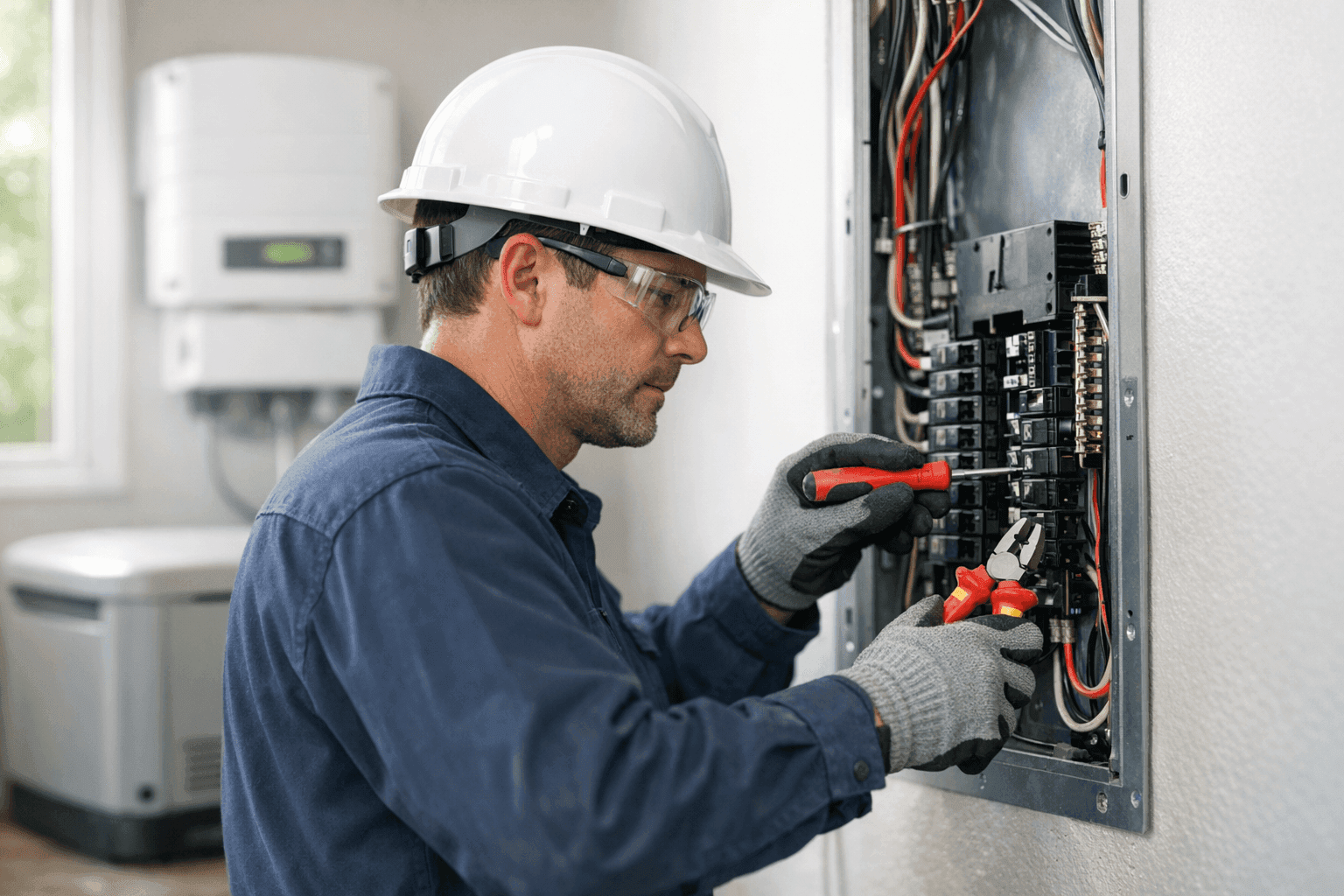
Upgrading your home for solar panels or a backup generator is more than just a trend—it's about staying ahead, protecting your family, and making sure your electrical system doesn’t let you down when you need it most. Maybe you’re thinking about how to keep the lights on in a storm, or how to put that rooftop sunshine to work.
At Angelic Electric, we know the path to a safer, smarter home starts right at the panel. Let’s break down what’s involved, what to watch out for, and why getting this right is essential.
Why Upgrade Panels for Solar or Generators? ⚡
Imagine your electrical panel as the traffic cop for all the energy in your home. When you add solar or a generator, it’s like opening new lanes on the highway—everything has to flow safely, or you risk a pileup.
Upgrading is about more than capacity. It’s about compatibility, safety, and meeting local code (like the National Electrical Code, or NEC), which protects your home and everyone in it. Older panels often can’t handle the extra load from solar arrays or backup generators. Modern upgrades help:
- Prevent overheating and electrical fires
- Ensure seamless switching between power sources
- Make your home eligible for solar or generator warranties
- Simplify future upgrades (like EV chargers or smart home tech)
Panel Sizing and Compatibility
Not all panels are created equal. Think of this like fitting a new engine into an old car—you need the right size and the right connections.
Key factors in sizing and compatibility:
- Amperage: Most homes have 100-amp or 200-amp panels. Solar and generators often require 200 amps or more.
- Breaker Spaces: Adding new circuits for a generator or solar inverter? You’ll need free slots.
- Brand/Model Fit: Some panels don’t play well with modern breakers or safety devices.
A licensed electrician will evaluate your current setup, calculate your home’s load, and recommend the right upgrade. This isn’t a guesswork job—mistakes here can mean outages or hazards down the road.
Installation Steps and Safety
Upgrading a panel is never just a plug-and-play job. Safety is the star of the show. Here’s a look at the process—no surprises, just clear steps:
- Assessment: Your electrician checks current capacity, wiring condition, and code compliance.
- Permitting: Most municipalities require a permit and inspection. It’s the law—and for good reason.
- Shutoff: Power is safely shut off at the main to protect your home and the crew.
- Old Panel Removal: Wires are labeled, disconnected, and carefully removed.
- New Panel Install: The new panel is mounted, breakers installed, and circuits reconnected.
- Testing: Every connection is checked, and the panel is powered up for a full inspection.
- Inspection: A city inspector reviews the work to ensure it meets code.
Working with electricity is like defusing a bomb—precision matters. That’s why the pros at Angelic Electric handle every step with care.
Benefits of Professional Upgrades
Let’s be honest: electrical work is not your average DIY weekend project. Here’s why calling in a professional electrician pays off:
- Safety: Reduces fire and shock risks.
- Efficiency: Panels are installed quickly, minimizing downtime.
- Warranty: Workmanship is up to standard, keeping warranties intact.
- Code Compliance: Avoids costly fines or do-overs.
Plus, the job isn’t done until every outlet, switch, and device is tested and labeled. That’s peace of mind you can feel.
Maintenance After Installation
A new panel isn’t “set it and forget it.” Regular checkups are the key to long life and continued safety.
- Annual Inspections: Look for signs of wear, corrosion, or overheating.
- Tighten Connections: Heat cycles can loosen screws over time.
- Test Breakers: Make sure they trip properly in an emergency.
- Update Labels: As you add new circuits or devices, keep your panel directory current.
You can schedule maintenance with Angelic Electric, or ask about our annual safety checks for panels and Panels & Breakers.
Spotting Signs Your Panel Needs Attention
Don’t wait for trouble. Here are a few red flags:
- Flickering lights
- Warm or buzzing breakers
- Tripped breakers that won’t reset
- Burn marks or strange smells at the panel
If you notice any of these, call a licensed electrician right away.
The Quick Safety Checklist 🧯
Before any upgrade, take a moment:
- Clear the area around your panel.
- Know where your main shutoff is.
- Never open a panel if you see water or burn marks.
- Don’t try to add circuits yourself—call a pro.
Timeline & Disruption: What to Expect
Most panel upgrades take a full day. Your home will be without power during the main install, so plan ahead—charge devices, empty the fridge, and let everyone know. The Angelic Electric crew works efficiently to get you back online fast.
Common Mistakes to Avoid
- Using an undersized panel for new loads
- Skipping permits or inspections
- Mixing incompatible breakers
- Forgetting surge protection (especially with sensitive solar/generator electronics)
Costs & Considerations
Panel upgrades are an investment in your home’s safety and value. Costs depend on panel size, complexity, and any rewiring needed. Don’t cut corners—what you save upfront could cost more in repairs or damage later.
DIY vs. Call a Pro?
You might be handy. But home electrical panels aren’t a place to test your skills. The risk isn’t just a bad connection—it’s injury, fire, or even losing insurance coverage. For upgrades like these, always hire an electrician.
What Pros Do On Arrival
Expect a thorough evaluation. The electrician will:
- Inspect your current panel and wiring
- Ask about future needs (like EV chargers or home automation)
- Explain code requirements (referencing the NEC and local regulations)
- Provide a clear plan and timeline for the upgrade
Prevention & Maintenance Tips
- Schedule yearly electrical safety inspections.
- Don’t ignore tripped breakers or flickering lights.
- Ask about surge protection for sensitive electronics.
When It’s an Emergency 🚨
Some upgrades can’t wait—like storm damage, melted breakers, or flooding. In these cases, call for Panels & Breakers right away.
FAQ: Solar, Generators, and Panels
Can my old panel handle solar or a generator?
Usually not—most older panels don’t have the capacity or safety features.
Do I need a transfer switch for a generator?
Yes. This prevents dangerous backfeeding and protects utility workers.
Are there incentives for upgrading panels with solar?
Check with your utility company or visit the U.S. Department of Energy for possible rebates.
Your Local Partner for Panel Upgrades
Whether you’re planning for solar, backup power, or just want a safer home, Angelic Electric is here for you. Our team brings years of experience, code knowledge, and a friendly approach to every project. If you’re looking for a Panels & Breakers upgrade, or want to talk solar and generator options, we’re just a call away.
Call Angelic Electric now — or reach us anytime at 844-440-1817 .