How to Upgrade Your Home for Modern Appliances and Tech
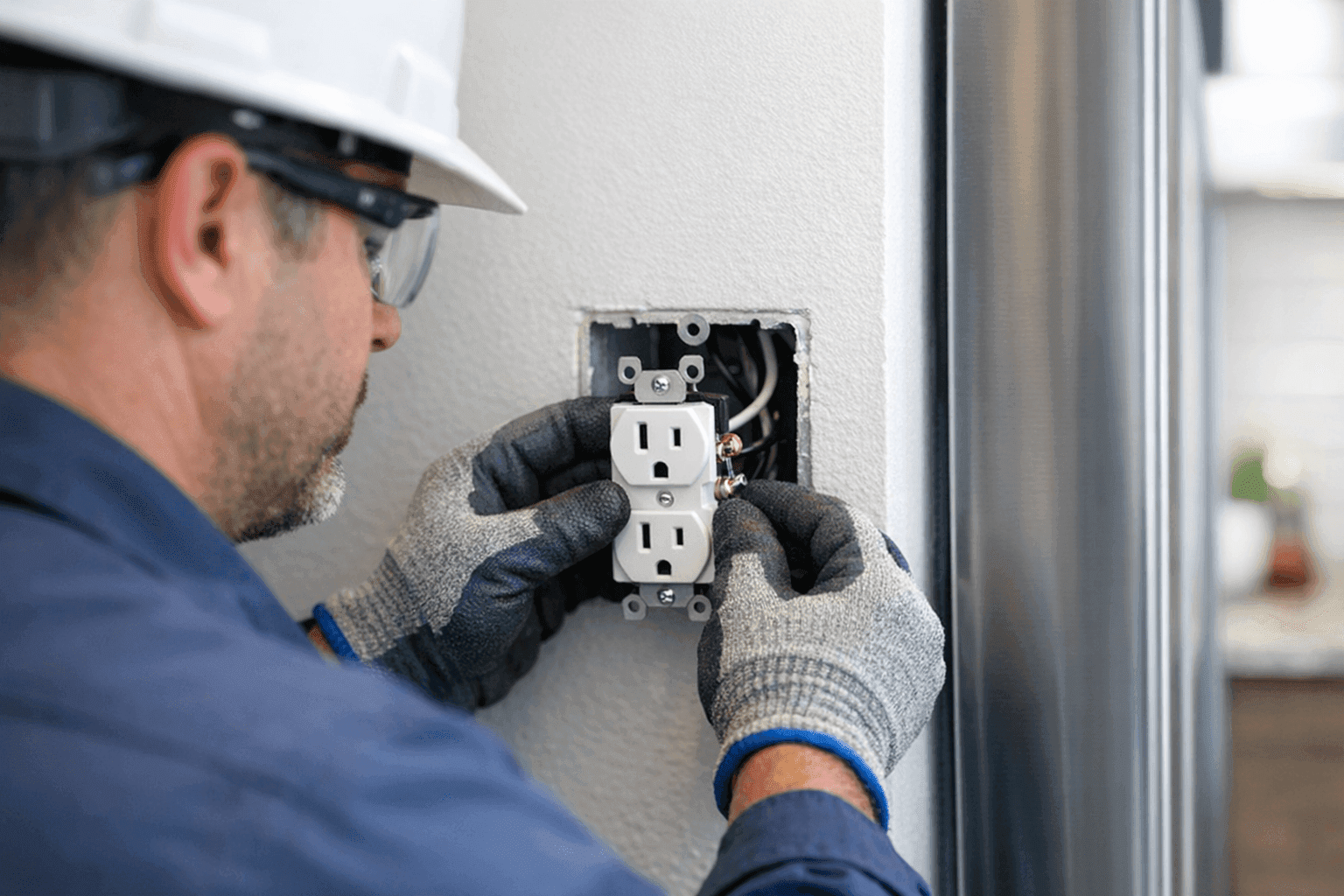
Ready for an Upgrade? Here’s Why It Matters
You’ve picked out that fancy new fridge. Maybe a smart oven, or you’re eyeing a washer that texts your phone when laundry’s done. Modern appliances are amazing. But your home’s electrical system may not be ready for their power-hungry appetite.
Trying to run today’s tech on yesterday’s wiring is like streaming movies with dial-up internet. You might get a flicker, but you won’t get the magic. That’s where Angelic Electric steps in.
Look for These Signs Before Plugging In
Not sure if your home can handle more? Check for clues:
- Outlets that feel warm or look discolored
- Flickering lights when appliances start up
- Circuit breakers that trip often
- Not enough outlets for your needs
If you spot any of these, your home might need an upgrade before you add that next device.
A Quick Electrical Safety Checklist ⚡
Before you even think about plugging in a new appliance, run through this list:
- Are outlets near water (kitchen, bath) GFCI protected?
- Are cords and plugs in good shape?
- Are your smoke and carbon monoxide detectors working?
- Do you have enough power for what you want to add?
For more, the National Fire Protection Association (NFPA) offers guidelines to keep families safe.
Common Upgrades for Modern Appliances
Most new appliances need more than a simple plug-and-play. Here’s what often comes up:
- Dedicated Circuits: Big appliances (like ovens, dryers, or EV chargers) usually need their own circuit. That means a direct line from your breaker panel—no sharing.
- Higher Amp Outlets: Old outlets (15 amps) can’t handle the heavy load of new machines. You may need 20-amp or even 30-amp outlets for safe operation.
- Surge Protection: Power surges can fry electronics in a blink. Whole-home surge protectors are a solid shield.
- Wiring Upgrades: Old aluminum or knob-and-tube wiring just can’t keep up. Modern copper wiring is safer and more reliable.
Smart Tech Needs Smart Wiring
Think your wireless gadgets don’t need wires? Think again. For smooth smart home living, you may want:
- USB Outlets: Charge devices directly—no adapters needed.
- Data Cabling: For fast, reliable internet to smart TVs, security cameras, or gaming systems.
- Automation Hubs: Control lights, locks, and temp from your phone.
- Low Voltage Systems: For doorbells, intercoms, or pool controls.
Upgrading wiring and circuits ensures your smart tech doesn’t lag or fail.
Step-by-Step: How Safe, Code-Compliant Upgrades Happen
Here’s how a professional electrician approaches upgrades, so you know what to expect:
1. Assessment & Planning
First, your electrician inspects your current system. They’ll look at your panel, wiring, outlets, and what you want to install. They’ll check codes—like the National Electrical Code (NEC)—to make sure everything’s up to snuff.
2. Designing the System
It’s not just about plugging in. For new appliances or tech, the right circuit size, breaker type, and outlet placement matter. Pros draw up a plan that keeps you safe—and keeps things running smoothly.
3. Permits & Approvals
Most major electrical work needs a permit. Your electrician will handle the paperwork, including getting everything inspected before and after.
4. Installation
Now comes the hands-on part:
- Running new wires
- Installing new or upgraded outlets and switches
- Adding surge protection or data cabling
- Testing everything for safety
5. Final Inspection
A city or county inspector checks the work. It’s not just red tape—this step keeps your home safe and insurable.
DIY? Or Time to Call a Pro?
Swapping a lightbulb or plugging in a surge protector? Go for it. But if you need new wiring, bigger circuits, or circuit breaker upgrades, it’s time to call an electrician. Working with electricity is like working with wild animals—safe if you know what you’re doing, dangerous if you don’t.
Mistakes can cause fires, shocks, or even void your homeowner’s insurance. That’s why experienced electricians are a must for:
- Installing dedicated appliance circuits
- Upgrading breaker panels
- Running new wiring or data cables
- Connecting automation systems
What Professional Electricians Do When They Arrive
Expect someone to:
- Ask about your appliances and tech plans
- Inspect your existing electrical panel and wiring
- Test outlets and circuits
- Offer options that fit your needs and budget
- Explain every step (no surprises)
Prevention and Maintenance Tips
A little prevention beats a lot of repairs:
- Test GFCI outlets monthly
- Check smoke/carbon monoxide detectors twice a year
- Don’t overload circuits with too many devices
- Schedule regular electrical safety inspections
Doing these things helps your upgrades last longer and keeps your family safe.
Costs, Timeline, and What to Expect
Every home is different. Prices and time depend on:
- Age of your wiring
- What you want to add (an oven? a smart home hub?)
- How easy it is to run new wires
Simple outlet upgrades may take a couple of hours. A panel upgrade or full rewire could take a few days. Your electrician will give you a clear estimate, so there’s no guessing.
Emergencies: When to Call Right Away 🚨
If you smell burning, see sparks, or lose power to major appliances, call for emergency service immediately. Electrical emergencies aren’t the time to wait and see.
FAQ: Quick Answers for Homeowners
Q: Can I plug my new appliance into an existing outlet?
A: Only if the outlet matches the appliance’s power needs. Otherwise, you risk overheating and fires.
Q: Are surge protectors really necessary?
A: Yes—especially for sensitive electronics and smart tech.
Q: Will my insurance cover electrical upgrades?
A: Insurance may cover damage from electrical faults—but only if your system meets code.
Q: How do I know if I need a panel upgrade?
A: If your breakers trip often, or your panel is more than 25 years old, it’s time for an inspection.
Common Mistakes to Avoid
- Using extension cords as a permanent solution (they’re not)
- Ignoring flickering lights or tripping breakers
- Skipping permits or inspections
- Trying to DIY high-voltage work
These shortcuts can cost you much more in the long run.
Seasonal Considerations for Electrical Upgrades
- Winter: Heaters and holiday lights add strain—make sure your panel can handle the load.
- Spring/Summer: Pools, spas, and outdoor kitchens need dedicated circuits and GFCI outlets.
- All Year: Home automation and security upgrades are always in season.
Signs It’s Time to Upgrade
- Appliances run poorly or trip breakers
- You use lots of power strips or extension cords
- Outlets spark or feel hot
- You’re planning a remodel or adding a major appliance
If any of these sound familiar, don’t wait for trouble.
How Disruptive Are Electrical Upgrades?
Most upgrades are less messy than you think. A skilled electrician can often fish new wires with minimal drywall cuts. You’ll get a heads-up if big changes are needed. Cleanup is always part of the job.
Materials and Equipment Matter
Quality counts. Look for outlets and breakers rated for the right amps. Copper wiring is the gold standard for reliability. UL-listed components meet safety standards. Your electrician will specify what’s best for your needs.
For Great Falls Homeowners: Local Knowledge Counts
If you live in the area and want an experienced electrician company familiar with local codes, permitting, and safety standards, electrician contractor in Great Falls is ready to help.
Call Angelic Electric now — or reach us anytime at 844-440-1817 .