How to Upgrade Home Wiring for Modern Technology
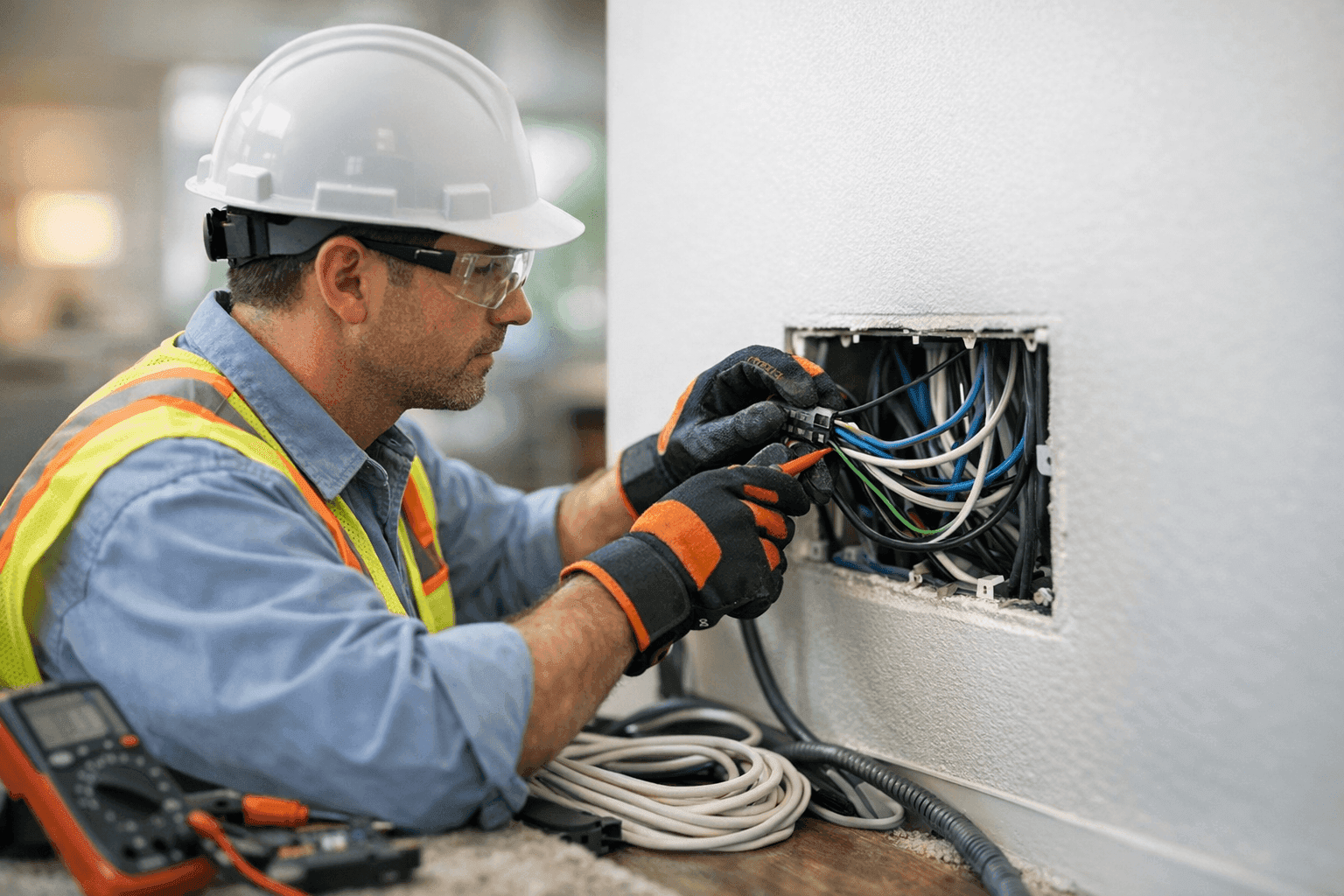
Life moves fast, and our homes are filling up with smart gadgets, high-speed internet connections, and appliances that demand more power and reliability than ever. If your house feels stuck in a different decade, it might be time to check what’s lurking inside your walls.
At Angelic Electric, we know that safe, modern wiring isn’t just about plugging in the latest gadget—it’s about keeping your family comfortable, connected, and protected. Let’s walk through why and how to bring your home’s wiring up to speed.
Why Upgrade Home Wiring? ⚡
Think of your home’s wiring like the circulatory system in your body. Old, brittle wires can choke off the flow of “energy,” leaving your lights flickering, devices lagging, or even causing dangerous overheating. Many houses built before the 1990s weren’t designed for today’s tech-heavy lifestyles.
Reasons to consider a wiring upgrade:
- Safety: Outdated wiring is a leading cause of house fires, according to the Electrical Safety Foundation International (ESFI).
- Power Needs: Modern appliances and electronics require more stable, higher-capacity circuits.
- Insurance: Some insurers may not cover homes with outdated wiring systems.
- Home Value: Upgrades can boost resale value and attract buyers looking for smart home features.
Wiring for Smart Devices and Fast Internet
Today’s homes are packed with smart thermostats, voice assistants, streaming devices, security cameras, and more. But these gadgets can only perform as well as the wiring that supports them.
A modern wiring upgrade means:
- Dedicated circuits for major appliances and sensitive electronics
- Structured cabling for uninterrupted, fast internet and Phone, Internet & Data Cabling
- Safe connections for home automation systems—think smart lighting, locks, and alarms
If your WiFi drops out in certain rooms or your devices take forever to sync, your wiring might be the hidden culprit.
Steps for a Modern Wiring Upgrade
Upgrading your home’s wiring isn’t just about running a few new wires. It’s a process that combines planning, code knowledge, and careful installation. Here’s how it typically unfolds:
-
Assessment & Inspection
- A licensed electrician inspects your current wiring, outlets, and electrical panel.
- Identifies risks like aluminum wiring, knob-and-tube, or ungrounded systems.
-
Design & Planning
- Outlines a wiring plan tailored to your home’s needs (including smart tech and future upgrades).
- Maps out new circuits, outlets, and data cabling routes.
-
Permitting & Code Compliance
- Pulls the required permits.
- Ensures all work meets National Electrical Code (NEC) standards.
-
Installation
- Removes outdated wiring and installs new, code-compliant circuits.
- Adds new outlets, switches, and structured cabling for data and automation.
-
Testing & Verification
- Checks every connection for safety and reliability.
- Verifies that new wiring supports your tech and appliances without overloading.
-
Final Inspection
- Schedules a city or county inspection (required by law).
- Delivers a Certificate of Compliance if all passes.
Safety and Code Compliance
Electrical codes aren’t just red tape—they’re there to prevent shocks, fires, and heartbreak. The National Electrical Code (NEC) sets the baseline for safe installations, and updates every three years.
Key things to know:
- Ground Fault Circuit Interrupters (GFCIs) are now required in kitchens, baths, outdoors, and unfinished spaces.
- Arc Fault Circuit Interrupters (AFCIs) protect against “hidden” sparks inside walls.
- Proper grounding is a must for all modern homes.
Always ask for a permit and inspection. Skipping this step is like driving without seatbelts.
Professional Installation Benefits
DIY videos make electrical work look easy. But home wiring is a place where shortcuts can have serious consequences.
Benefits of hiring a professional:
- Expertise: Electricians understand codes, load calculations, and best practices.
- Tools & Materials: Pros use UL-listed parts and specialized equipment.
- Troubleshooting: Electricians can spot hidden dangers—like overloaded circuits or improper connections—that others might miss.
- Long-Term Value: Professionally installed wiring lasts longer and gives peace of mind.
Thinking about an upgrade? Reach out for Wiring & Circuits near you.
Signs Your Home Needs a Wiring Upgrade
Not sure if your wiring is due for an overhaul? Watch for these clues:
- Frequent blown fuses or tripped breakers
- Flickering or dimming lights when appliances run
- Warm or discolored outlets and switches
- Outlets that lack three prongs (grounding)
- Buzzing sounds or burning smells from outlets
If you spot any of these, don’t ignore them. It’s like hearing a rattle in your car engine—get it checked before it becomes a big problem.
Quick Safety Checklist Before You Upgrade
- Locate your main electrical panel and know how to shut it off
- Unplug sensitive electronics during work
- Keep children and pets away from work areas
- Never attempt rewiring unless you’re licensed and trained
Remember, even a “minor” shock can be dangerous. Always put safety first.
What Happens When the Electrician Arrives?
Expect a professional walk-through. The electrician will:
- Inspect panels, outlets, and visible wiring
- Test circuits and identify overloaded or unsafe areas
- Review your plans for new tech, appliances, or data needs
- Explain options and give a clear estimate for the work
No guesswork. Just straightforward solutions.
Prevention & Maintenance
Upgrading isn’t a “set it and forget it” fix. Routine maintenance keeps your system healthy:
- Schedule electrical safety inspections every 3–5 years
- Replace damaged cords and covers right away
- Test GFCIs and smoke detectors monthly
- Keep your panel accessible and labeled
A little attention now can prevent big headaches down the road.
Costs & Time Factors
Every home is different. The cost and time depend on:
- Size and age of your house
- Scope of the upgrade (partial vs. full)
- Number of new circuits and data lines
- Local permit fees
A simple room update could take a day or two. A whole-home rewire may stretch over a week. But the investment pays off in safety, reliability, and home value.
When It’s an Emergency
If you smell burning, see sparks, or lose power to half your home, call for emergency help right away. Don’t wait for “normal business hours.” Angelic Electric offers 24 hour service to keep you and your family safe.
Common Mistakes to Avoid
- Overloading outlets with power strips
- Attempting DIY fixes without proper training
- Ignoring warning signs like tripping breakers or buzzing outlets
- Choosing unlicensed contractors who skip permits
Cutting corners here can risk everything. Always work with a licensed electrician contractor.
Seasonal Considerations
Extreme weather—heat, cold, storms—can stress your electrical system. If you’re adding a pool, spa, or outdoor lighting, make sure your wiring can handle it.
Upgrades are best done in mild weather, but emergency repairs can’t wait.
Upgrading for the Future
Tech keeps changing. Smart home automation, EV chargers, and high-speed internet are just the beginning. Modern wiring sets your home up for whatever comes next.
For homeowners in any city, including those searching for electrician services in Cincinnati, planning ahead means less hassle when new technology arrives.
FAQ: Wiring Upgrades
Q: Does my whole house need rewiring, or just certain rooms?
A: Often, you can update targeted areas—like kitchens or home offices—if the rest of your wiring is sound. But an inspection will reveal what’s needed.
Q: Will upgrading wiring damage my walls?
A: Electricians use methods to minimize disruption, but some patching and painting may be needed. We’ll always discuss options before starting.
Q: Can I stay home during the upgrade?
A: For most jobs, yes. We’ll coordinate to keep disruption minimal.
Ready to Upgrade? Contact Angelic Electric
Don’t let old wiring hold your home back. Bring your house into the modern era with safe, reliable, high-tech-ready wiring.
Call Angelic Electric now — or reach us anytime at 844-440-1817 .