How to Upgrade and Maintain Machine Wiring at Home
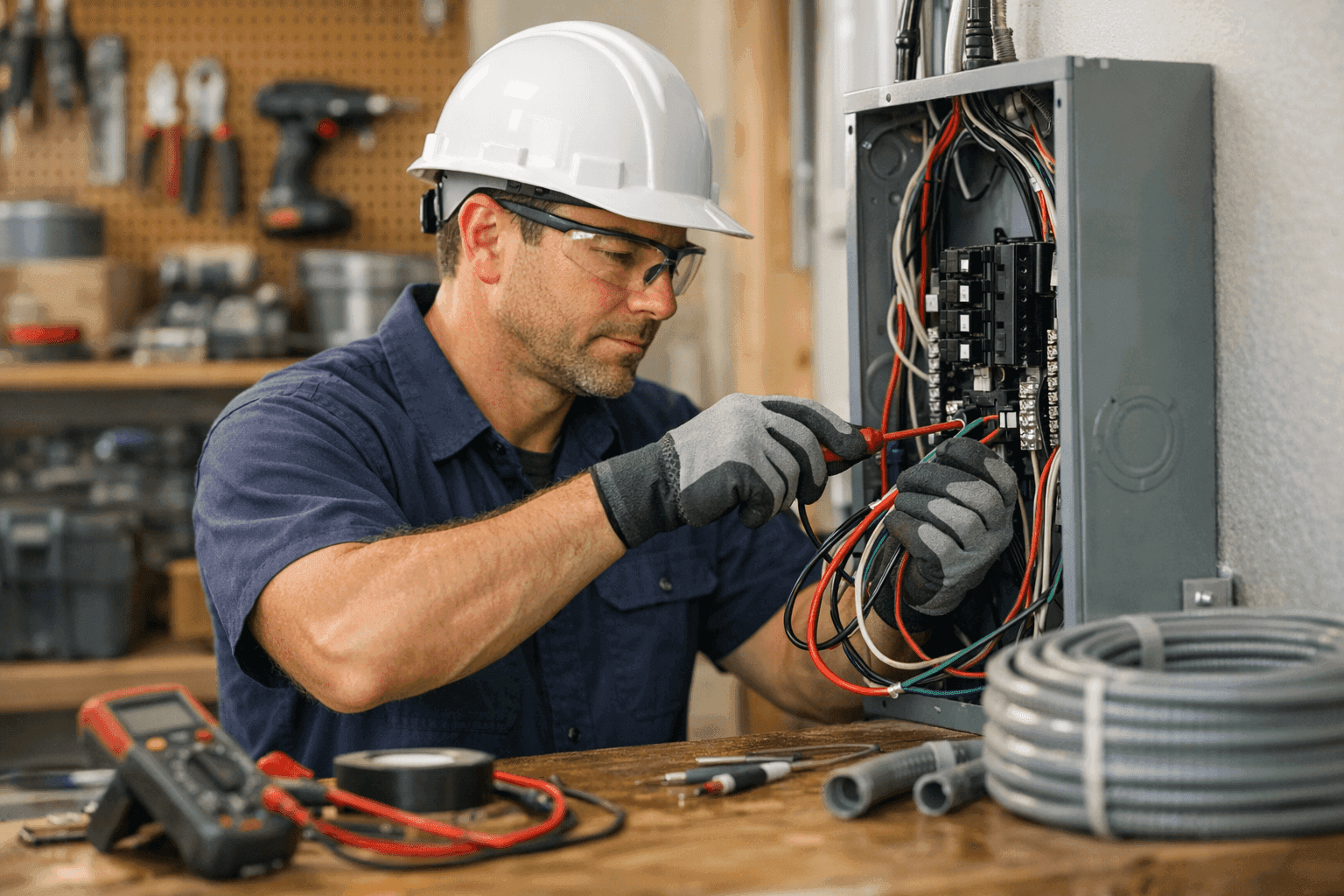
Upgrading and maintaining machine wiring at home isn’t just about plugging things in or flipping a switch. It’s about protecting your family, your investment, and your peace of mind. If you’ve ever powered up a workshop tool and paused—wondering if your wiring is up to the task—you’re not alone.
At Angelic Electric, we help homeowners like you turn confusion into confidence. Machine wiring is a specialty, and with the right tips and a trusted electrician, your space can be both powerful and safe.
What Is Machine Wiring? 🛠️
Machine wiring refers to the electrical circuits and connections that power tools, hobby equipment, and small machinery in your home. Think about table saws in the garage, a kiln in the basement, or even a treadmill in your spare room. These machines often need more than a typical outlet—they demand wiring that can handle higher loads and unique safety requirements.
Unlike standard Outlets & Switches near you, machine wiring is often beefier and must meet specific codes, such as the National Electrical Code (NEC) and local building ordinances. Without proper wiring, both your equipment and your home could be at risk.
When to Upgrade Machine Wiring
How do you know when it’s time to upgrade? Here are the most common signs:
- Frequent breaker trips: Your machine keeps shutting off, or the breaker flips every time you start it.
- Outdated wiring: If your home was built before 1990, your system may not be designed for modern machines.
- Warm outlets or cords: Heat where there shouldn’t be any is a signal something’s wrong.
- Buzzing sounds or flickering lights: These could mean overloaded or loose connections.
- New equipment: Adding a new lathe or compressor? Your old wiring may not be enough.
Don’t ignore these clues. When in doubt, contact a licensed electrician to assess your setup.
Maintenance and Safety Tips
Like a car, your home’s machine wiring needs regular care. Here’s how to keep things running smoothly and safely:
- Inspect connections yearly: Look for discoloration, fraying, or loose wires.
- Test outlets: Use a plug-in tester to check for correct wiring and grounding.
- Check for moisture: Basements and garages can get damp, which spells trouble for wires.
- Don’t overload circuits: Plugging in too many machines at once is a shortcut to disaster.
- Label everything: Clearly mark which outlets power which machines.
A little attention now can prevent costly repairs—or worse, fires—later.
Professional Upgrade Process
Upgrading machine wiring is like rewiring the nervous system of your home. Here’s what a professional electrician will do:
- Assessment: Survey your equipment, power needs, and existing wiring.
- Design: Plan dedicated circuits for each machine, considering load and safety.
- Materials: Use industrial-grade wire, outlets, and protective conduits.
- Installation: Replace or add circuits, update panels, and ground everything properly.
- Testing: Ensure all systems are go, with checks for voltage, polarity, and insulation.
This isn’t a DIY project. Mistakes can lead to dangerous shocks, equipment damage, or code violations.
Code Compliance and Inspections 📋
Electrical codes exist for your safety, not to make life difficult. The NEC (National Electrical Code) and local Stillwater guidelines specify:
- Wire gauge requirements: Heavy-duty machines need thicker wires.
- GFCI protection: Especially in garages and basements.
- Proper grounding: Critical for safety and equipment longevity.
- Clear labeling: Every circuit must be identified.
After installation, an inspection ensures everything meets standards—giving you peace of mind and, when selling your home, the right paperwork.
Quick Safety Checklist
- Unplug machines when not in use.
- Never run extension cords as a substitute for proper wiring.
- Keep flammable materials away from electrical panels and outlets.
- If you smell burning or see sparks, shut down power and call for help.
DIY vs. Call a Pro
It’s tempting to try your own wiring, especially with endless online tutorials. But electricity isn’t forgiving—one wrong move and you could be in serious danger. For anything beyond changing a bulb or resetting a breaker, hire a professional.
What Pros Do On Arrival
When the electrician shows up, they’ll:
- Listen to your concerns.
- Inspect your setup—panels, outlets, and all visible wiring.
- Use specialized tools (like multimeters and circuit tracers).
- Explain what’s safe, what needs fixing, and provide a clear estimate.
Prevention & Maintenance
Routine maintenance is the key to longevity for your machine wiring. Schedule annual checkups, especially if you use your workshop often or have older wiring. Preventive care costs less than emergency repairs and keeps your home humming.
Costs & Time Factors
Wiring upgrades vary—a simple new circuit is quick, but whole-shop rewiring takes longer. Factor in:
- Equipment type and power demand.
- Accessibility of wiring paths.
- Local permit and inspection fees.
Never let cost tempt you to cut corners. Safety is always worth it.
When It’s an Emergency
If you notice:
- Burning smells
- Sparking outlets
- Repeated breaker trips
Don’t wait. Shut off the main power if safe, and call for emergency service right away. Angelic Electric provides 24-hour emergency response—because some things can’t wait.
FAQ: Home Machine Wiring
Q: Can I use a regular outlet for my table saw?
A: Most heavy machines need dedicated circuits. Regular outlets may not carry enough current safely.
Q: How often should wiring be checked?
A: Annually for active workshops, or before adding new equipment.
Q: Do I need permits for upgrades?
A: Yes—proper permitting and inspection are required by law.
Seasonal Considerations
Weather affects your wiring, especially in garages or sheds. Inspect for rodent damage and moisture after winter, and check connections before heavy summer use.
Common Mistakes to Avoid
- Skipping permits or inspections.
- Using undersized wire.
- Ignoring signs of trouble like heat or noise.
These shortcuts can lead to equipment failure—or worse.
Signs of Trouble
- Outlets or switches feel warm
- Buzzing from panels or machines
- Lights dim when machines run
See any of these? Schedule an inspection.
Timeline & Disruption
Most upgrades take a few hours to a few days, depending on complexity. A good electrician will minimize downtime and keep your workspace tidy.
Materials and Equipment
Expect heavy-duty copper wire, GFCI outlets, metal conduit, and labeled breakers. These aren’t just upgrades—they’re investments in your safety.
Connect with a Local Electrician
If you’re in the area, our Wiring & Circuits professionals are ready to help. Whether you’re upgrading your workshop or just need a safety check, Angelic Electric can get your machines running right.
Call Angelic Electric now — or reach us anytime at 844-440-1817 .