How to Upgrade and Maintain Surge Protection at Home
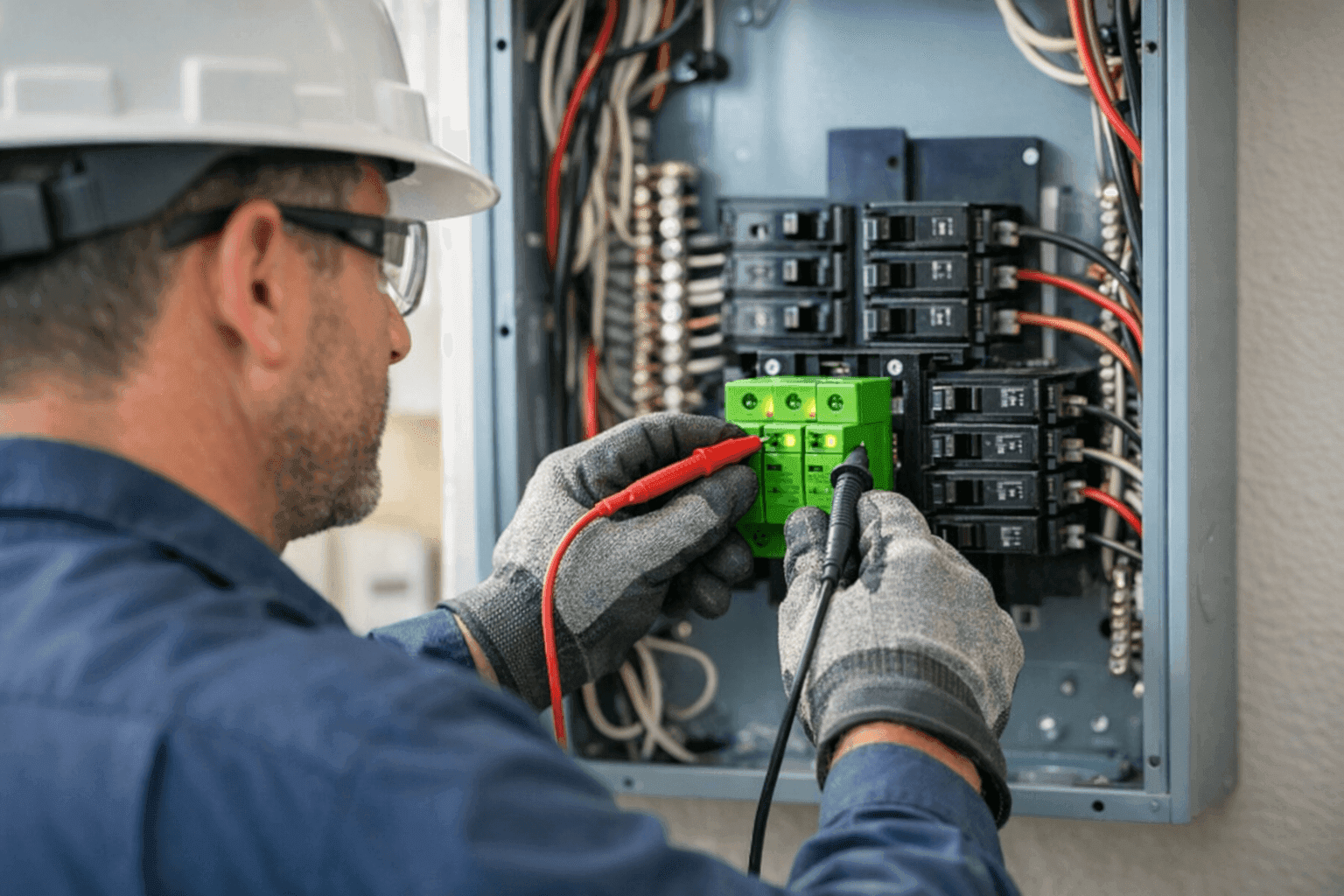
Is your home really safe from sudden electrical surges? Most people don’t think about it until a storm flickers the lights—or, worse, fries the TV. Surge protection is your silent shield, standing between your family’s comfort and costly damage. At Angelic Electric, we help homeowners like you keep those shields strong.
Even if your outlets seem fine, invisible risks could be lurking. As an electrician company with years of experience, we’ve seen what can go wrong—fast. Let’s walk through why surge protection matters, when you should upgrade, and how to keep your system working year after year.
Why Surge Protection Matters ⚡
Imagine thunder rumbling. Suddenly, a spike runs through your wiring—like a flash flood in a dry creek. That surge can travel through every outlet, threatening your appliances, smart devices, and even your home's wiring.
Surges aren’t just caused by lightning. Everyday events like utility grid switching or large appliances cycling on and off can send power spikes through your system. According to the National Electrical Code (NEC) and Electrical Safety Foundation International (ESFI), unprotected homes are at a much higher risk of costly damage.
Without proper surge protection, you risk:
- Replacing expensive electronics and appliances
- Data loss from damaged computers
- Hidden damage to outlets, switches, and wiring
- Fire hazards from fried circuits
You wouldn’t leave your doors unlocked. Don’t leave your electrical system unguarded, either.
Upgrading to Whole House Protection
Think of plug-in surge protectors as umbrellas—they’re handy, but not enough for a storm. Whole house surge protection is your raincoat, boots, and sturdy roof all in one.
When should you upgrade? Consider these signs:
- You’ve installed expensive electronics or home automation
- Your home has frequent power flickers or outages
- You’re upgrading panels or breakers
- Your current surge protectors are over five years old
A licensed electrician can install a surge protection device (SPD) directly on your main electrical panel. This acts as a gatekeeper, stopping surges before they flow through your home. For best results, combine a whole house SPD with point-of-use protectors on sensitive devices.
For more on upgrades, see our Panels & Breakers service.
Testing and Maintenance: The Key to Reliability
A surge protector isn’t “set it and forget it.” Like a smoke detector, it needs regular checks.
- Test your whole-house SPD every 6–12 months.
- Look for indicator lights—green usually means “good,” red or no light means it’s time to replace.
- Check plug-in protectors for wear, cracks, or missing lights.
- After a major surge event, have your system inspected.
Maintenance is quick but crucial. Build it into your seasonal home checklist, alongside Maintenance tasks like GFCI testing and HVAC filter changes.
Common Surge Protection Mistakes
People make these blunders all the time:
- Relying only on power strip surge protectors (they wear out!)
- Overloading outlets and extension cords
- Ignoring panel upgrades when adding new appliances
- Skipping annual safety inspections
Don’t let these simple errors put your home at risk.
Professional Installation Benefits
You might wonder—can I install a whole house SPD myself? While some DIYers try, it’s not like swapping a lightbulb. Working inside your main panel is risky and can void warranties or even insurance.
A professional electrician will:
- Choose the right SPD for your home’s voltage and panel type
- Ensure proper wiring, grounding, and code compliance (per NEC 2023)
- Test the system before and after installation
- Provide documentation for insurance or home sale purposes
The result: peace of mind, real protection, and a safer home.
Quick Safety Checklist
Before you call an electrician, do a quick walk-through:
- Are your outlets warm or discolored?
- Do lights flicker, especially during storms?
- Are your electronics plugged into surge protectors?
- Have you had your electrical panel inspected in the last 3 years?
If you answered “yes” to any of the first three—or “no” to the last—it’s time to act.
DIY vs. Call a Pro
Some maintenance is homeowner-friendly:
- Unplugging devices during storms
- Replacing worn power strips
But when it comes to your main panel, always call a licensed electrician. Mistakes can lead to injury or home damage.
What Pros Do On Arrival
When you call Angelic Electric, here’s what you can expect:
- Safety check of your main panel and wiring
- Testing of existing surge protection devices
- Recommendations for upgrades or replacements
- Clear, honest answers to your questions
No guesswork. No risky shortcuts.
Prevention & Maintenance: Your Yearly Plan
Make surge protection part of your annual routine:
- Test SPDs and power strips
- Schedule an electrical safety inspection
- Update surge protectors every 5–7 years
- After big storms, check indicator lights and schedule a pro check
Proactive steps today mean less stress tomorrow.
Costs & Time Factors
Upgrading to whole house surge protection is an investment—but less than replacing a single TV or computer. Installation usually takes less than two hours for most homes. Maintenance is even quicker.
Ask your electrician about bundled services with Surge Protection for added value.
When It’s an Emergency
Certain signs mean it’s time to call for help now:
- Burning smells from outlets or panel
- Repeated breaker trips after storms
- Electronics suddenly failing in groups
Don’t wait. Electrical emergencies can escalate fast.
FAQ: Home Surge Protection
How long does a whole house surge protector last?
Most last 5–10 years, but major surges can shorten lifespan. Check the indicator light regularly.
Do power strips protect my appliances?
Only if they’re rated surge suppressors—and only up to their limits. They’re no substitute for panel-mounted protection.
Will surge protection help with lightning?
No system can guarantee 100% protection from a direct lightning strike, but whole house SPDs greatly reduce risk from nearby strikes and everyday surges.
Seasonal Considerations
Spring storms. Summer AC spikes. Winter heaters. Each season brings its own surge threats. Schedule a quick checkup before weather changes, and keep your family safe year-round.
Signs of Trouble
Keep watch for these warning signs:
- Flickering or dimming lights
- Frequent circuit breaker trips
- Buzzing sounds from outlets or panel
- Sudden failure of multiple devices
If you notice any, schedule an inspection.
Timeline & Disruption: What to Expect
Most whole house surge protection installations are done in under two hours. Power may be off briefly. Your Angelic Electric team will explain every step and minimize disruption.
Materials & Equipment in Surge Protection
A quality surge protection system includes:
- Whole house SPD (panel-mounted)
- Point-of-use surge protectors for sensitive devices
- Up-to-date panels, breakers, and proper grounding
Ask your electrician about UL 1449 certified devices for best results.
Why Choose Angelic Electric?
We believe every home deserves protection that lasts. Our electricians are trained, thorough, and always up-to-date with the latest NEC standards. If you need help with surge protection, maintenance, or panels and breakers, we’re ready to assist—no matter the hour.
For those searching for reliable electrician services, see our electrician company page in Rocky Mount.
Your home’s electronics deserve real protection. Don’t wait for the next surge to strike.
Call Angelic Electric now — or reach us anytime at 844-440-1817 .